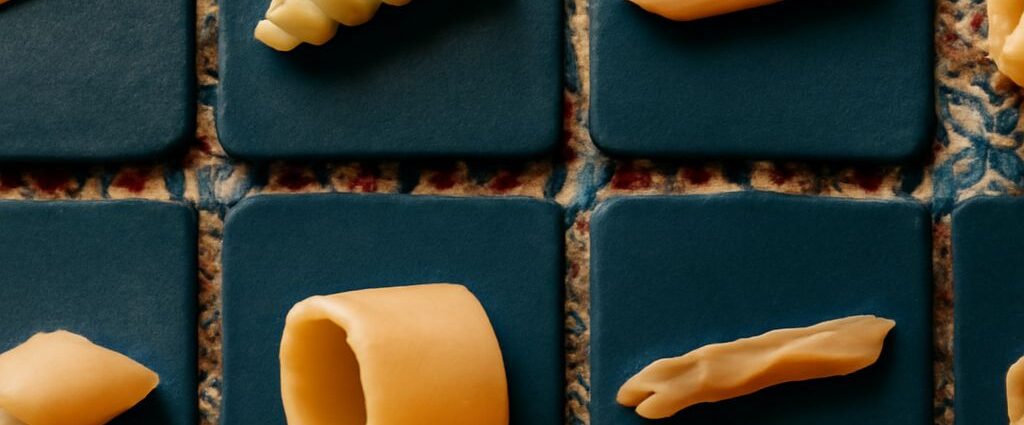
Pasta is one of the world’s most beloved and versatile foods, offering a seemingly endless array of shapes, textures, and flavors. Knowing different pasta names and recognizing the many unique pasta shapes helps both home cooks and food lovers choose the right pasta for any dish. This guide explores classic and regional pasta, details the characteristics that set pasta types apart, and provides practical advice on matching and cooking different pastas for the best results.
Overview of Pasta Names
Pasta names often reveal their origin, shape, or even their traditional use. Italian is the language of pasta, and understanding some basics helps demystify the supermarket shelves or restaurant menus. Among hundreds of different pastas, certain names are universally recognized, while others are local specialties with rich histories.
Familiar pasta names like spaghetti, penne, fusilli, rigatoni, and farfalle are staples in kitchens around the world. Each term usually describes the shape or origin: “spaghetti” translates to “little strings,” “penne” means “quills,” reflecting the tube’s angled ends, and “farfalle” means “butterflies,” referencing its bow-tie shape. Some pasta names, such as fettuccine and tagliatelle, describe similar flat ribbons, while others like orecchiette (“little ears”) are more region-specific.
Traditional pasta names also distinguish between filled pastas, such as ravioli, tortellini, or agnolotti, and unfilled varieties. Italian naming conventions can indicate size: “-ini” suggests a smaller version, as seen in ditalini or fagottini. With hundreds of different pasta shapes and names, learning the basics helps cooks select the ideal pasta for any sauce or preparation.
Over time, new shapes and names have emerged, driven by regional customs, artisan pasta makers, and contemporary food trends. Today’s pasta repertoire ranges from ancient shapes, such as lasagna, to innovative creations like radiatori and cavatappi. Recognizing the diversity in pasta names and shapes is the first step to mastering Italian cuisine.
Classic Pasta Shapes Explained
The world of pasta shapes is vast, but certain classic forms have stood the test of time due to their adaptability, texture, and pairing potential. Each of these classic shapes offers a unique eating experience and is designed to hold or absorb certain types of sauces.
Long Pastas: These include well-known varieties such as spaghetti, linguine, fettuccine, and capellini (also called angel hair). Long, slender strands work well with lighter sauces—think tomato-based sugo, olive oil, or seafood. Tagliatelle and pappardelle are wider ribbons ideal for thicker ragùs and creamy sauces. Bucatini is a hollow spaghetti-like pasta that traps sauce inside, making each bite more flavorful.
Tube Pastas: Penne, rigatoni, ziti, and cannelloni belong to this group. Their tubular shapes are perfect for capturing chunky sauces, vegetables, or meat-filled ragùs. Penne rigate (ridged penne) cling to sauce even better due to their textured surface. Macaroni, a shorter tube, is central to classic dishes like mac and cheese, while manicotti and cannelloni are large tubes meant for stuffing and baking.
Shaped Pastas: Fusilli (spirals), rotini (twists), and farfalle (bow ties) are designed to catch bits of sauce in their folds and curves. Conchiglie (shells) and cavatappi (corkscrew tubes) also excel at holding creamy or chunky sauces. Orecchiette, meaning “little ears,” are cup-shaped, perfect for cradling vegetables or sausage. These different pasta shapes offer both visual appeal and varied textures in each bite.
Filled Pastas: Ravioli, tortellini, agnolotti, and mezzelune are among the most popular filled pasta names. These are typically stuffed with cheese, meat, or vegetable fillings, then served with simple butter and sage sauces, broths, or light tomato sauces that let the filling shine. Each region of Italy has its own specialty, with unique fillings and methods of folding dough.
Regional and Specialty Pastas
Italian cuisine is deeply regional, and this is especially true when it comes to pasta names and different pasta shapes. Each area of Italy boasts its own specialty pastas, reflecting local ingredients, traditions, and culture.
Southern Italy: The South is famous for sturdy shapes that stand up to robust, spicy sauces. Orecchiette from Puglia, cavatelli from Molise, and strozzapreti from Calabria are classic southern types. Busiate from Sicily are long, spiraled tubes perfect for pesto Trapanese, while malloreddus (“Sardinian gnocchi”) are small ridged shells paired with sausage and tomato sauce.
Central Italy: Tuscany and Emilia-Romagna are known for their egg-rich noodles. Pici is a thick hand-rolled spaghetti from Tuscany, often served with rich meat ragù. Tagliatelle and pappardelle come from Emilia-Romagna and are essential for hearty sauces like wild boar or classic Bolognese. Garganelli is a specialty rolled pasta, similar to penne but with a unique hand-made texture.
Northern Italy: Northern regions favor filled pastas and delicate shapes. Tortellini and agnolotti are stuffed with meat, cheese, or vegetables, while trofie from Liguria is a hand-twisted pasta ideal for Genovese pesto. Bigoli from Veneto is a thick, spaghetti-like pasta made with duck eggs, often served with anchovy sauce. Pizzoccheri from Lombardy is a short flat ribbon, typically made with buckwheat and cooked with greens and cheese.
Other specialty pasta names include radiatori (named for their radiator-like shape), ditalini (tiny tubes for soups), and strozzapreti (“priest-choker,” a twisted, rustic pasta). Cappelletti (“little hats”) are small, hat-shaped filled pastas from Emilia-Romagna. Each of these different pastas reflects not only the local palate, but also the ingenuity of generations of Italian cooks.
Choosing the Right Pasta Shape
Selecting the perfect pasta shape for a dish is both an art and a science. The texture, thickness, and design of each pasta shape are crafted to complement specific sauces, proteins, and vegetables. Understanding these pairings can elevate a simple meal into an authentic Italian experience.
Long, Thin Pastas: Shapes such as spaghetti, linguine, and vermicelli are best with light, oily, or broth-based sauces. These allow the noodles to remain the focus, with flavors that coat rather than smother. Pairing spaghetti with tomato sauce or linguine with clam sauce is a classic example.
Flat, Wide Pastas: Pasta like fettuccine, tagliatelle, and pappardelle have a broad surface area, making them ideal for rich, creamy sauces or robust ragùs. The wide ribbons soak up sauce, ensuring each bite is flavorful. Tagliatelle al ragù and fettuccine Alfredo are classic pairings.
Tube and Shaped Pastas: Penne, rigatoni, and ziti are perfect for chunkier sauces that need to be caught inside the tubes. Shapes like fusilli, cavatappi, and shells are excellent for holding onto thicker, textured sauces, as well as cheese or vegetable-based dishes. Baked pasta dishes, such as baked ziti, typically use sturdy tubes that can hold up during baking.
Filled Pastas: Ravioli, tortellini, and agnolotti are often served with light sauces, broths, or even just melted butter and sage. The intent is to highlight the filling rather than overpower it with bold sauces. For soup, tiny shapes such as ditalini or pastina are traditional, as they cook quickly and add body to broths.
Choosing among the many different pasta shapes is partly personal preference, but tradition and sauce compatibility play a big role in maximizing flavor and texture. When in doubt, consider the sauce’s weight and whether you want a smooth, coated noodle or a shape that catches bits of ingredients in every bite.
Cooking Tips for Different Pastas
Cooking pasta to perfection is a simple process, but subtle adjustments are needed depending on the type and shape of pasta. Here’s how to get the best results with different pastas and pasta shapes.
Water and Salt: Always use plenty of boiling water—about one gallon for every pound of pasta. Generously salt the water; it should taste like the sea. This is the only chance you get to season the pasta itself. Don’t add oil to the water, as it can prevent sauces from sticking to the noodles and interfere with the texture of classic pasta shapes.
Cooking Time: Different pasta shapes have different cooking times. Thin pastas like angel hair cook in 2-4 minutes, while thicker shapes such as rigatoni or fusilli can take 10-12 minutes. Fresh pastas, especially filled varieties, usually cook much faster—often just 2-3 minutes—so taste early and often. The goal is “al dente”: pasta that is tender yet retains a slight bite at the core.
Finishing in Sauce: For best results, reserve a cup of pasta cooking water before draining. Toss the drained pasta with your sauce in a pan over medium heat, adding some reserved water as needed. This step helps the sauce cling to the pasta, especially for tube and shaped pastas. For creamy sauces, starchy water creates a silky emulsion that coats noodles evenly.
Stuffed and Baked Pastas: When cooking filled pastas like ravioli or tortellini, use gently simmering water to avoid breaking the delicate shapes. For baked dishes such as lasagna or baked ziti, undercook the pasta by 2-3 minutes before assembling; it will finish cooking in the oven, absorbing sauce and flavor without becoming mushy.
Storing cooked pasta is best done by tossing it with a bit of olive oil to prevent sticking, especially for short shapes. If reheating, splash with hot water or sauce to revive the ideal texture. Each variety of pasta shape holds up differently to reheating—filled pastas and delicate shapes are best enjoyed fresh, while sturdier tubes or baked pastas can be made ahead and reheated with good results.
Understanding the vast world of pasta names and different pasta shapes makes it easier to cook with confidence and creativity. From choosing the right shape for your sauce to mastering the cook time, a little knowledge unlocks new possibilities in the kitchen.







Comments are closed, but trackbacks and pingbacks are open.