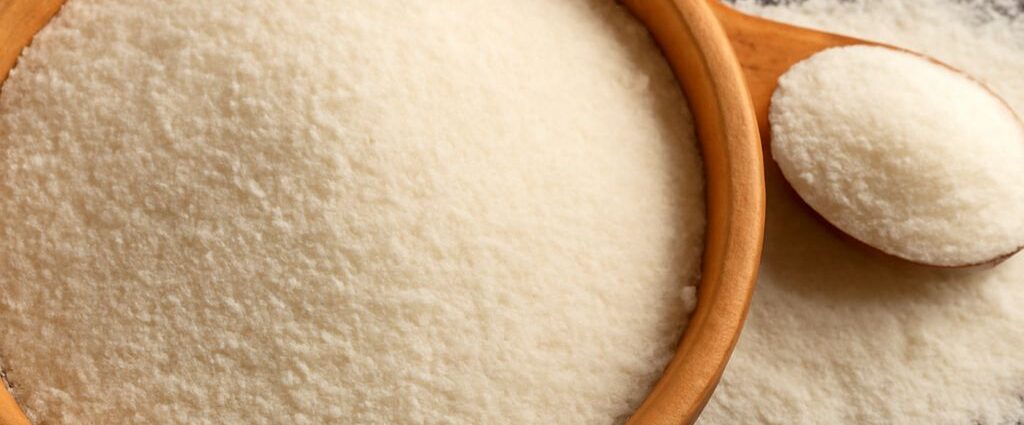
Semolina is a coarse, pale yellow flour milled from durum wheat, prized for its robust texture, nutty flavor, and versatility across global cuisines. Commonly used in pasta, bread, and an array of sweet and savory dishes, semolina’s distinct characteristics set it apart from regular wheat flour. This article explains what semolina is, how it’s made, the key differences between semolina and semolina flour, the origins of wheat semolina, the meaning of sooji, and practical ways you can use this ingredient in your kitchen.
What Is Semolina?
Semolina is a type of flour made by grinding the endosperm of durum wheat, the hardest variety of wheat. Unlike finely milled flours, semolina has a coarser, sandy texture and a golden hue. Its granular consistency gives it unique culinary properties, making it ideal for dishes that benefit from a firmer bite or a crisp outer layer.
The exact-required term semolina refers specifically to this product: the gritty, yellow flour that results when durum wheat is milled and sifted. Its protein content is typically higher than that of all-purpose flour, ranging from 11% to 13%, which contributes to its strength and structure in baked goods and pasta.
Most commercial semolina comes from durum wheat (Triticum durum), although similar milling techniques are used with other grains in some regional cuisines. The word itself is derived from the Italian semolino, meaning bran or coarse flour. Semolina is often confused with cornmeal or other flours, but its wheat-based origin and distinctive properties set it apart.
In summary, semolina is a coarse flour made from durum wheat, valued for its texture, color, and high protein content. It is used in a wide variety of traditional dishes worldwide, from Italian pasta and bread to Indian desserts and breakfast porridges.
How Semolina Is Made
The production of semolina starts with durum wheat, a high-protein, hard wheat variety that yields a dense, yellow grain. The wheat kernels are first cleaned to remove impurities and foreign particles, ensuring only the best grains proceed to milling.
Next, the cleaned wheat is tempered by adding a controlled amount of moisture and resting the kernels for several hours. This process toughens the outer bran and softens the endosperm, making it easier to separate during milling. The wheat then passes through a series of roller mills. Rather than being ground into a fine powder like all-purpose flour, the wheat is cracked and sifted, isolating the coarse endosperm particles while removing most of the bran and germ.
These coarse particles are screened through various sifters to achieve the desired granulation. The resulting product is semolina: firm, gritty, and golden in color. The remainder, finer than semolina but coarser than regular flour, may be further ground and sold as farina or used in other products. The careful control of granule size is essential, as the texture of semolina impacts how it behaves in recipes—absorbing liquids differently and creating the chewy bite typical of fresh pasta and certain breads.
Producers may vary the degree of coarseness depending on the intended culinary application. For pasta, a slightly coarser grind is preferred, while some dessert recipes call for finer semolina. Large-scale semolina mills use precise equipment to deliver consistent texture and purity, while smaller or artisanal mills may offer a more rustic, variable product.
Semolina vs Semolina Flour
The distinction between semolina and semolina flour often confuses home cooks. While both are milled from durum wheat, their texture, culinary uses, and processing methods differ significantly.
Semolina refers specifically to the coarse, sandy-textured product milled from durum wheat. It’s the classic ingredient in traditional Italian pasta, some breads, couscous, and certain porridges. Its granules are noticeably larger than standard flours—think of it as being somewhere between cornmeal and regular flour in texture. This coarseness provides structure and a pleasant chew to pasta and baked goods.
Semolina flour, on the other hand, is semolina that has been ground even finer, yielding a flour with a texture closer to that of all-purpose flour, but still retaining the golden color and protein content of durum wheat. It is sometimes labeled as “fine semolina” or “durum wheat flour” in stores. This finer grind is ideal for recipes where a smooth texture is needed, such as pizza dough, gnocchi, or certain pastries. It also blends well with other flours, adding flavor and strength without the pronounced graininess of regular semolina.
The key differences between semolina and semolina flour can be summarized as follows:
- Texture: Semolina is gritty and coarse; semolina flour is much finer and smoother.
- Uses: Semolina is best for pasta, couscous, and crumb coatings. Semolina flour is better suited for pizza dough, softer breads, and certain desserts.
- Absorption: Coarse semolina absorbs water slowly, contributing to a chewy bite. Semolina flour integrates more fully, yielding a softer texture.
For most classic pasta recipes, the exact-required phrase semolina is essential, as its texture holds up during boiling and imparts the signature firmness (“al dente”) beloved in Italian cuisine. When substituting, be aware: using semolina flour in place of semolina (or vice versa) can significantly alter the final result. Always check your recipe’s requirements and select the appropriate product accordingly.
Wheat Semolina and Its Origins
Wheat semolina is the traditional form of semolina, produced exclusively from durum wheat. Durum is a spring wheat variety characterized by its high protein content, dense endosperm, and distinctive yellow pigment. This makes wheat semolina ideal for pasta making and baking, as its strength and color transfer directly to the finished dishes.
The history of wheat semolina traces back thousands of years to the ancient agricultural civilizations of the Middle East and Mediterranean Basin. Durum wheat was first cultivated in what is now the Levant and North Africa, spreading through trade and conquest to Italy, Greece, and beyond. Semolina became a dietary staple due to its durability, nutritional value, and suitability for various food preparations, including drying for long-term storage.
Today, the world’s largest producers of wheat semolina include Italy, the United States (especially North Dakota), Turkey, India, and several North African countries. Italian semolina is especially renowned for its use in authentic pasta, while Indian wheat semolina is central to regional dishes such as upma and halwa. The global supply chain ensures that semolina is readily available in most supermarkets and specialty stores, both in bulk and packaged forms.
Wheat semolina is sometimes labeled specifically as “durum wheat semolina,” underscoring its source. In regions where other grains are used to create similar products, labeling and marketing distinguish the traditional wheat-based semolina from alternatives made with rice, corn, or other cereals.
What Is Sooji?
The term sooji—also known as suji—is the word for semolina in Hindi and several other South Asian languages. Sooji is widely used in Indian, Pakistani, Bangladeshi, and Sri Lankan cooking, but the ingredient itself is fundamentally the same as wheat semolina. In these regions, sooji is typically milled from durum wheat, though sometimes softer wheat varieties are used for certain applications.
In Indian cuisine, sooji is valued for its adaptability in both sweet and savory dishes. Its texture can range from coarser to finer, depending on local preferences and the dish being prepared. Coarse sooji is often used for making upma, a savory vegetable porridge, while finer sooji is preferred for desserts such as halwa or for mixing into batters for crisp dosas and idlis.
To answer the question “what is sooji”: it is simply the South Asian term for semolina, most often referring to the wheat-based product discussed throughout this article. When recipes call for sooji, traditional wheat semolina (coarse or medium grind) is almost always intended, although there may be some variation in grind and texture from one region or brand to another.
Understanding the interchangeable use of semolina, wheat semolina, and sooji is crucial for anyone following South Asian recipes or shopping in ethnic markets. While packaging may vary, the core ingredient remains the same: a coarse flour milled from wheat, lending body, texture, and color to a vast array of beloved dishes.
Common Culinary Uses
Semolina’s unique properties make it a culinary workhorse. It is perhaps best known as the foundation of traditional Italian pasta, where its high protein content and granular texture create a dough that is easy to knead and forms sturdy, chewy noodles. Classic dried pastas such as spaghetti, penne, and rigatoni all rely on semolina for their authentic structure.
In bread baking, semolina adds a golden hue, slightly sweet flavor, and crisp crust. Italian pane di semola and Sicilian semolina bread showcase its best qualities, while home bakers often use semolina to dust bread pans and pizza stones, preventing sticking and contributing a subtle crunch. Semolina also forms the base for Middle Eastern and North African couscous, where it is steamed to fluffy, tender perfection and served as a side for tagines or stews.
In South Asian kitchens, semolina (sooji) is indispensable. Upma, a savory breakfast porridge, is made by dry-roasting sooji and cooking it with vegetables, spices, and water. Desserts such as suji ka halwa or rava kesari transform semolina into a sweet, fragrant pudding, enriched with ghee, sugar, nuts, and cardamom. Finer sooji is used in batters for idlis and dosas, lending a crisp, light texture to these beloved snacks.
Semolina’s versatility extends to Western baking, where it is used in cakes, puddings, and porridge. British semolina pudding is a classic nursery dessert, while Greek and Turkish cuisines employ semolina in sweet cakes like revani and basbousa, soaked in syrup and topped with nuts or coconut. Even in gluten-free or alternative diets, semolina sometimes appears in specialty applications, although it is inherently wheat-based and not suitable for those with celiac disease.
When cooking with semolina, a few tips can help achieve the best results:
- For pasta, mix semolina with water (sometimes egg) to form a stiff dough, then knead thoroughly for elasticity.
- When making bread, combine semolina with bread flour for a balanced crumb and chewy crust.
- For desserts, toast the semolina in ghee or butter to deepen its flavor before adding liquids.
- Adjust water ratios, as semolina absorbs liquid more slowly than some flours.
- Store semolina in a cool, airtight container to prevent rancidity or insect infestation.
Across cuisines and continents, semolina is a staple that delivers robust texture, flavor, and structure to countless recipes. Whether you call it semolina, wheat semolina, or sooji, understanding its properties and uses expands your cooking repertoire and opens the door to a world of delicious possibilities.









Comments are closed, but trackbacks and pingbacks are open.