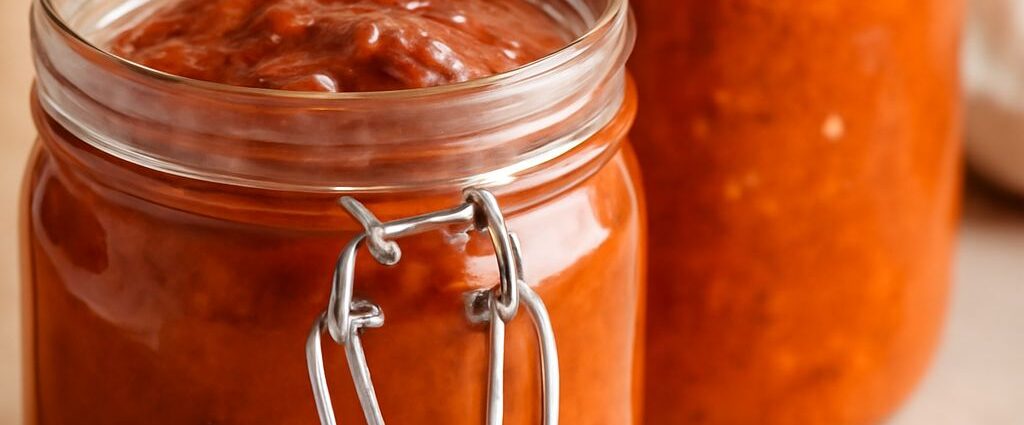
Romesco sauce is a bold, savory, and deeply flavorful condiment with roots in Catalonia, Spain. Originally created by fishermen to pair with their daily catch, this plant-based classic has evolved into a kitchen staple celebrated for its versatility and rich, smoky taste. Whether you’re seeking a vibrant dip, a zestful topping for roasted vegetables, or a sauce to elevate your favorite grains and proteins, mastering a traditional romesco sauce recipe is a must for any home cook. Below, you’ll find everything needed to create an authentic romesco sauce, including essential ingredients, detailed instructions, expert tips, and serving ideas to inspire your kitchen creativity.
What Is Romesco Sauce?
Romesco sauce is a traditional Spanish sauce known for its deep red color and complex flavor profile. It originated in the coastal city of Tarragona, Catalonia, where it was developed to enhance the flavors of local seafood. Over time, romesco sauce has become a beloved condiment across Spain and beyond, prized for its balance of sweetness, acidity, earthiness, and subtle heat.
The signature taste of romesco comes from roasted red peppers and tomatoes, which provide a sweet, smoky base. Toasted nuts (typically almonds or hazelnuts) add richness and body, while garlic, sherry vinegar, and high-quality olive oil bring sharpness and depth. Smoked paprika is often included for an additional layer of warm, earthy flavor. Traditional recipes sometimes incorporate stale bread for thickening, though many plant-based variations omit bread for a gluten-free option.
Romesco sauce is naturally vegan and gluten-free (if bread is excluded or replaced), making it suitable for a variety of dietary needs. Its flexibility and deep, savory flavor have led to countless creative uses—from a dip for crudités to a vibrant spread on sandwiches and a sauce for roasted or grilled vegetables, potatoes, and plant-based proteins.
While easy to prepare, authentic romesco sauce relies on careful selection and preparation of each ingredient. The result is a sauce that’s greater than the sum of its parts: robust, layered, and endlessly adaptable.
Essential Ingredients
The foundation of any great romesco sauce recipe is its fresh, high-quality ingredients. Each component plays a distinct role in creating the sauce’s signature flavor and texture. Here’s what you’ll need to make a classic, plant-based romesco sauce:
- Roasted Red Peppers: For best flavor, use freshly roasted red bell peppers, but jarred roasted peppers can be a convenient substitute.
- Tomatoes: Ripe plum or Roma tomatoes, roasted or charred, add sweetness and acidity. If tomatoes are not in season, good-quality canned whole tomatoes work as well.
- Nuts: Traditionally almonds or hazelnuts, toasted for a rich and nutty base. Blanched almonds offer a smooth texture, while hazelnuts add earthier notes.
- Garlic: Raw or lightly roasted garlic provides pungency and depth. Start with one or two cloves, adjusting to taste.
- Sherry Vinegar: This Spanish vinegar brings brightness and a gentle tang. Red wine vinegar is a suitable alternative if sherry vinegar isn’t available.
- Olive Oil: Use extra-virgin olive oil for its fruity, peppery character.
- Smoked Paprika (Pimentón): Essential for authentic Spanish flavor. Choose sweet or hot smoked paprika depending on your heat preference.
- Bread (Optional): Traditional romesco sauce uses stale country bread to thicken. For a gluten-free version, omit bread or substitute with gluten-free crumbs.
- Salt and Pepper: A pinch of sea salt and freshly ground black pepper to season and balance the sauce.
Optional additions include a pinch of cayenne pepper for extra heat, or a splash of lemon juice for brightness. Some regional Spanish recipes add roasted onions or sun-dried tomatoes for extra complexity.
For a small batch of romesco sauce (about 1.5–2 cups), use these quantities as a starting point:
- 2 large roasted red bell peppers (or one 12-ounce jar, drained)
- 2 medium ripe tomatoes (or 1 cup canned whole tomatoes, drained)
- 1/2 cup raw almonds or hazelnuts, toasted
- 2 cloves garlic
- 2 tablespoons sherry vinegar
- 1/3 cup extra-virgin olive oil
- 1 teaspoon smoked paprika
- 1 thick slice of rustic bread, torn (optional)
- 1/2 teaspoon sea salt, more to taste
- Freshly ground black pepper, to taste
Step-by-Step Romesco Sauce Recipe
Making romesco sauce at home is straightforward, but roasting and toasting ingredients properly elevates its flavor. Follow these steps for a classic plant-based romesco sauce recipe you’ll turn to again and again.
-
Roast the vegetables:
- If using fresh peppers and tomatoes, preheat your oven to 450°F (230°C) or set a broiler to high. Place the peppers and tomatoes on a foil-lined baking sheet.
- Roast for 20–25 minutes, turning occasionally, until the skins are blistered and blackened. Remove from the oven, transfer to a bowl, and cover with a plate or plastic wrap. Let steam for 10 minutes to loosen skins.
- Peel and discard the skins, stems, and seeds. Roughly chop the flesh.
- If using jarred peppers or canned tomatoes, drain well and proceed to the next step.
-
Toast the nuts and bread:
- While the vegetables roast, heat a dry skillet over medium heat. Add almonds or hazelnuts and toast, stirring frequently, for 4–6 minutes until golden and fragrant. Transfer to a plate to cool.
- If using bread, add torn pieces to the skillet and toast until dry and lightly golden. Remove and cool.
-
Blend the sauce:
- In a food processor or high-speed blender, combine roasted peppers, tomatoes, toasted nuts, garlic, vinegar, smoked paprika, bread (if using), salt, and pepper.
- Pulse a few times to break down the ingredients, then blend while slowly drizzling in the olive oil until the mixture is mostly smooth but still retains some texture.
- Stop and scrape down the sides as needed. Taste and adjust seasoning, adding more salt, vinegar, or olive oil as desired.
-
Rest and serve:
- Transfer romesco sauce to a bowl or airtight jar. Let it rest for at least 30 minutes before serving, allowing flavors to meld.
- Romesco sauce keeps in the refrigerator for up to 5 days. Stir well before each use.
The finished sauce should be vibrant orange-red, thick but spoonable, with visible flecks of nut and pepper. Its aroma is smoky, nutty, and garlicky, with a tangy edge from the vinegar.
Tips for Perfect Texture and Flavor
Getting romesco sauce just right is a matter of balancing flavor, texture, and freshness. Here are expert tips for achieving the most authentic and satisfying results every time you make this classic Spanish sauce:
- Roast your own peppers and tomatoes for depth: While jarred peppers and canned tomatoes offer convenience, roasting fresh vegetables adds a complex sweetness and natural smokiness that distinguish true romesco sauce from shortcuts.
- Use high-quality olive oil: Spanish extra-virgin olive oil delivers the distinctive fruitiness and peppery finish essential to this sauce. Avoid blends or light oils, which can dull the flavor.
- Choose the right nuts: For superior texture, use blanched almonds or peeled hazelnuts. Toasting the nuts until just golden brings out their oils and enhances the sauce’s body.
- Control the texture: Traditional romesco sauce is not perfectly smooth; it should have a rustic, slightly coarse consistency. Pulse the food processor just enough to blend the ingredients, stopping before it becomes a puree.
- Balance acidity and sweetness: The sharpness of sherry vinegar should lift, not overpower, the sauce. If your sauce tastes too tart, add a drop more olive oil or a pinch of sugar. If it’s too mellow, a dash more vinegar or a squeeze of lemon will brighten it.
- Let flavors develop: Romesco sauce benefits from a short rest after blending. Allowing it to sit for at least 30 minutes (or overnight) helps meld the flavors and gives the nuts time to absorb moisture, improving texture.
- Season to taste: Always taste and adjust salt, vinegar, and spices at the end. The best romesco sauce is vibrant, tangy, and just salty enough to enhance whatever you’re serving.
For those with dietary restrictions, remember that bread is optional and easily swapped for gluten-free alternatives. If you prefer a spicier kick, increase the smoked paprika or add a pinch of cayenne. For an extra silky finish, strain the sauce through a fine mesh sieve, though most prefer it rustic.
Serving and Customizing Romesco Sauce
Romesco sauce is famously versatile, making it a standout addition to any plant-based kitchen. Traditionally served with grilled seafood, its rich, tangy, and subtly smoky profile complements a wide range of dishes—especially vegetables and plant-based proteins. Here are some of the best ways to enjoy, serve, and customize your romesco sauce:
- As a dip: Serve chilled or at room temperature with fresh or grilled vegetables, slices of crusty bread, or crispy roasted potatoes. Its creamy texture and tangy flavor make it an instant crowd-pleaser for snacks or appetizers.
- With roasted or grilled vegetables: Drizzle over roasted cauliflower, carrots, asparagus, or zucchini for a quick weeknight side. Romesco sauce pairs beautifully with sweet root vegetables and earthy mushrooms.
- On sandwiches and wraps: Spread romesco sauce on toasted bread, wraps, or flatbreads for an instant flavor upgrade. Layer with grilled tofu, tempeh, or your favorite plant-based cold cuts, plus leafy greens.
- With grains and grain bowls: Use romesco as a dressing for quinoa, farro, or rice bowls. Add roasted chickpeas, sautéed greens, and avocado for a filling, nourishing meal.
- As a sauce for plant-based proteins: Spoon romesco over grilled or pan-seared tofu, tempeh, or seitan. It brings depth and brightness to simple proteins and can be used as a finishing sauce for hearty mains.
- For pasta and gnocchi: Toss warm pasta or pillowy gnocchi with a few spoonfuls of romesco for a Spanish twist on tomato sauce.
Customizing romesco sauce to your taste or occasion is easy. For more heat, add extra smoked paprika or a fresh chili. For extra depth, blend in a sun-dried tomato or a few roasted onions. Swap almonds for cashews or walnuts for a different nutty character. If you crave a lighter, more pourable texture, simply increase the olive oil or blend in a splash of water.
Store leftover romesco sauce in an airtight container in the refrigerator for up to five days. It often tastes even better the next day, as the flavors continue to meld. Romesco sauce can also be frozen in small containers or ice cube trays—perfect for adding an instant hit of Spanish flavor to meals all month long.
From classic tapas to contemporary plant-based plates, this romesco sauce recipe is a versatile and memorable staple no kitchen should be without. Try it once, and you’ll find yourself reaching for it again and again, customizing and serving it in ways limited only by your imagination.










Comments are closed, but trackbacks and pingbacks are open.