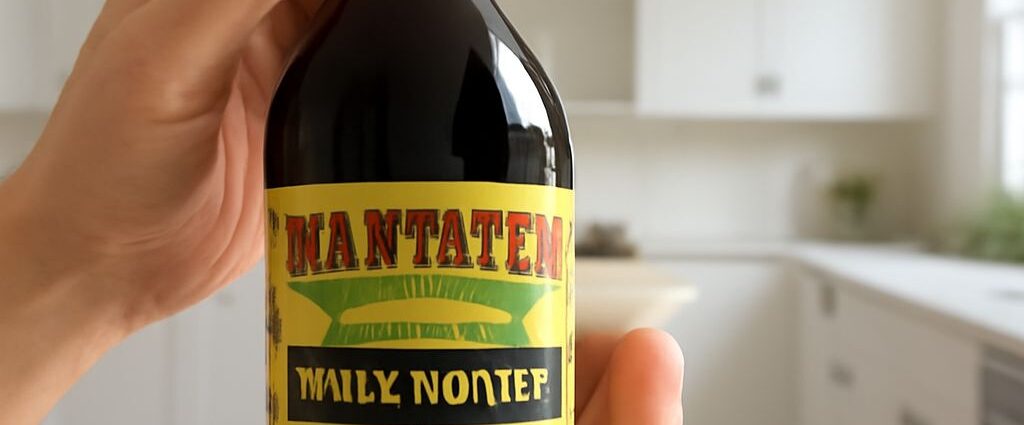
Choose regular or mild molasses for a sweeter gingerbread or cookie, and reach for blackstrap when a recipe calls for its deeper, more bitter flavor. The two syrups come from different stages of sugar production, so the darker one can change a dish even when the amount looks small.
Blackstrap is the concentrated syrup remaining later in the process. It is thick, dark, and strongly flavored, with less sweetness than a typical mild molasses. Here is how those differences affect baking, sauces, and the choice between the jars already in your pantry.
What Is Blackstrap Molasses and How Is It Made?
During cane sugar production, juice is concentrated and sugar crystals are separated from the remaining syrup. Further processing removes more sugar. King Arthur Baking describes light molasses as a product of an earlier boiling and blackstrap as the dark, concentrated syrup from a third boiling.
What is blackstrap molasses in practical kitchen terms? It is a robust syrup with a pronounced bitter edge, less sweetness, and a very dark color. Some packages write the name as black strap molasses; both spellings refer to the same type. Its strong flavor can be welcome in a savory sauce but surprising in a cookie designed around a milder syrup.
“Regular” is less precise. A jar might be labeled original, mild, light, or simply molasses. These terms can vary by producer, so read the front label and any description of the flavor. For example, Grandma’s describes its Original product as lighter in color and sweeter than its more concentrated Robust variety.
Dark molasses is another category you may see. It generally has a stronger flavor than light molasses but is not automatically blackstrap. If a recipe specifies a type, choose that type first. If it simply says molasses, a mild or original unsulfured product is a sensible starting point for a sweet American baking recipe.
Flavor, color, and sweetness
What is the difference between molasses and blackstrap molasses when both look dark in the jar? A mild syrup usually contributes caramel-like sweetness and a recognizable molasses flavor without dominating. Blackstrap has a deeper, more assertive taste and a bitter note that can linger. Both are viscous and sticky, but appearance alone is a poor guide to flavor.
Taste a tiny amount from a clean spoon if you have both. Notice sweetness first, then the aftertaste. The comparison makes it easier to imagine how much of each you would want in a pot of beans or a batch of cookies. Do not expect the darkest color to tell you exactly how sweet a particular brand will be.
The distinction matters most where molasses is a major flavor. In a gingerbread cake, several tablespoons of mild syrup provide sweetness and a warm, rounded depth. The same volume of blackstrap can make the cake darker and more bitter. In a long-cooked savory sauce, a little of the darker syrup can add a complex edge alongside tomato, spices, and other sweeteners.
For a simple comparison of regular molasses vs blackstrap molasses, think of the first as the easier everyday baking choice and the second as a deliberate seasoning. Neither is a universal replacement for the other. The recipe’s amount and the other ingredients determine how noticeable the change will be.
Read the label before you pour
Look for the type of molasses, the ingredient list, and the manufacturer’s flavor description. If the front says blackstrap, expect a more forceful syrup even if the jar also says unsulfured. “Unsulfured” describes whether sulfur dioxide was added during processing; it does not identify the boiling stage or guarantee a mild flavor. Both mild and blackstrap products may carry that description.
Use food-grade molasses sold for human consumption. A product intended for another purpose is not an appropriate substitute for a cooking ingredient. If you follow a vegan diet, check the specific product’s label and any manufacturer information relevant to your needs. Ingredients and processing descriptions differ across products.
For baking, consistency also matters. Molasses contributes moisture as well as sweetness and flavor. Changing it can alter the color, spread, and texture of a finished cookie or loaf. Measure in a liquid measuring cup or spoon, scraping it out so the amount actually reaches the bowl. A light coating of neutral oil on the measure helps the syrup slide out.
Can you substitute one for the other?
When comparing blackstrap molasses vs regular molasses, begin with the amount specified in the recipe. If the recipe depends on molasses for much of its sweetness or liquid, replacing the entire quantity with blackstrap can noticeably change the result. For a dependable first batch of cookies or cake, buy the type named in the recipe.
For a flexible savory dish, make a small adjustment and taste as you go. Suppose a pot of vegetarian baked beans calls for 2 tablespoons of mild molasses and all you have is blackstrap. Start with 1 teaspoon of blackstrap, stir it in, and taste after the flavors have warmed together. Add a little more only if you enjoy the stronger flavor; adjust sweetness separately if the beans need it. This is a flavor adjustment for a forgiving dish, not a direct two-tablespoon baking conversion.
In a cake or cookie, reducing the syrup also changes the recipe’s moisture and sweetness. Rather than inventing a one-for-one correction with sugar and water, use a tested recipe written for the ingredient you have. If a recipe calls specifically for blackstrap, regular syrup will taste sweeter and less bitter, and the color may be lighter. A savory glaze can be tasted and adjusted; a tray of cookies offers fewer chances once it is in the oven.
If you have neither type, look for a substitution recommended by the recipe developer. Maple syrup, dark corn syrup, and other liquid sweeteners each bring different flavor and sweetness. They can be useful in some sauces, but they will not recreate the distinctive taste of molasses in every bake.
Does molasses have iron?
Does molasses have iron? Yes. Amounts vary by product, so compare actual labels using the same serving size rather than assuming every dark syrup contains the same amount. As one example, B&G Foods lists Brer Rabbit Blackstrap at 4.8 milligrams of iron per tablespoon. A retailer’s listing for Grandma’s Original Molasses lists 0.7 milligrams per tablespoon. Those figures describe these two products, not every blackstrap and regular syrup.
Both examples use a 1-tablespoon serving, making the listed amounts directly comparable. Packages and formulations can change, so use the Nutrition Facts panel on the jar you are buying for the current figure. A recipe that divides a tablespoon among several servings also divides that amount of iron among those servings.
Molasses is used here as a flavorful sweetener. If iron content is important to your food choices, compare the actual portion you expect to eat with the serving size on the label, alongside the rest of your meal. A teaspoon is one-third of a tablespoon, so it supplies one-third of that label’s stated amount if the serving size is a tablespoon.
Store and use the jar
Close the lid tightly after each use and follow the storage instructions on the package. Keep the rim clean so the lid does not become glued in place. If the syrup has become thick in a cool pantry, standing the closed jar briefly in warm water can make it easier to pour; keep water out of the jar and dry it before returning it to storage.
A small jar is practical when you only make gingerbread occasionally. If you use molasses often in baked beans or barbecue sauce, a larger container may cost less per ounce. Compare the price per ounce for the same type and check the best-by date, since a bargain is less helpful if the syrup sits forgotten at the back of the cupboard.
When selecting a jar for a dish, match the recipe first: mild or original for balanced sweetness in most cookies and cakes, blackstrap for a dish that asks for its stronger, bitter edge. If you swap them, expect a change in sweetness, color, and flavor; test a small amount in a sauce, and use the specified syrup for baking when the outcome matters.










Comments are closed, but trackbacks and pingbacks are open.