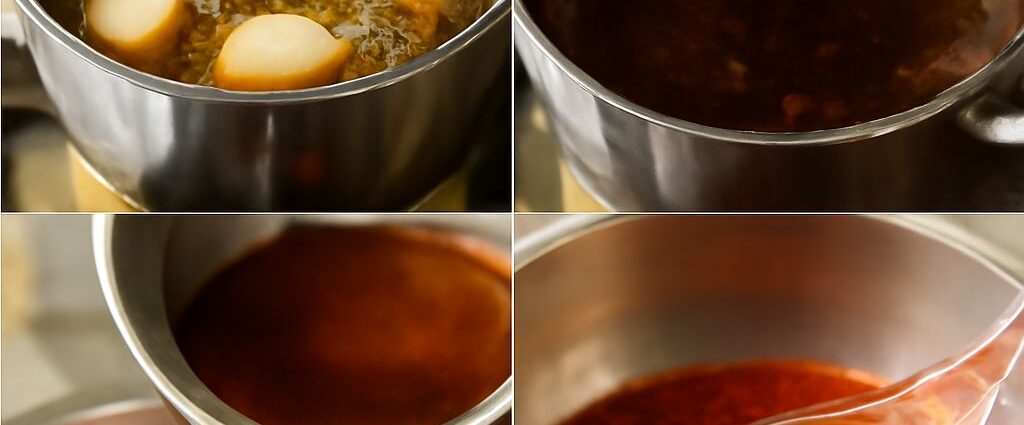
Homemade chili oil delivers intense flavor, vibrant color, and customizable heat that surpass any store-bought version. This easy chili oil recipe is inspired by authentic Chinese hot oil traditions, giving you an aromatic, spicy condiment perfect for drizzling, dipping, or cooking. With just a few pantry ingredients, you can craft hot chili oil bursting with complexity and depth—all in less than 30 minutes. Follow this guide to master the basics, then explore your own signature twist.
Why Make Your Own Chili Oil?
Store-bought chili oil can be convenient, but homemade chili oil is deeply rewarding for its fresh aroma, superior flavor, and infinite customization. When you make Chinese hot oil yourself, you control the quality of every ingredient, from the type of chilies to the choice of oil and aromatic add-ins. This ensures a clean, additive-free product tailored to your preferred spice level and taste.
Traditional Chinese hot oil is a staple across Sichuan, Hunan, and many other regional cuisines. Each household and chef has their own version, adjusting the heat, fragrance, and texture depending on intended use. Freshly prepared hot oil releases volatile oils from the spices and chilies, delivering a more nuanced flavor compared to pre-bottled alternatives. You can also avoid preservatives and unnecessary fillers, resulting in a brighter, more natural condiment.
Another benefit of making your own chili oil is flexibility. Whether you prefer smoky, garlicky, or citrusy notes, homemade hot oil can be adapted to highlight your favorite flavors. It’s easy to scale up for gifting or to keep a jar handy for quick meal upgrades. Once you have a batch of your own chili oil, you’ll find endless ways to use it in your cooking.
Finally, the process is simple and requires no special equipment—just a saucepan, a heat-safe bowl, and common pantry staples. The minimal effort yields a condiment that transforms noodles, dumplings, stir-fries, and even pizza or popcorn.
Ingredients for Homemade Chili Oil
The foundation of any chili oil recipe is a neutral oil infused with dried chilies and aromatics. This list covers the classic components for a basic yet flavorful batch of hot chili oil, with notes on substitutions and optional add-ins for further customization.
- Oil: Use 1 cup (240 ml) of a neutral, high-smoke-point oil such as canola, peanut, sunflower, or grapeseed. Avoid strong-flavored oils or those with low smoke points like olive oil or unrefined coconut oil. Neutral oil allows the chili and spice flavors to shine without burning during the infusion.
- Dried chilies: 1/2 cup (about 20g) crushed Chinese dried chilies (such as Sichuan chili flakes or “facing heaven” peppers) are traditional. Korean gochugaru or standard red pepper flakes work in a pinch. Adjust quantity to preferred heat.
- Sichuan peppercorns (optional): 1 tablespoon, for a signature numbing and citrusy flavor found in authentic Chinese hot oil. Can be omitted for a milder, more basic chili oil.
- Garlic: 2–3 cloves, thinly sliced or minced. Adds savory depth and aroma.
- Ginger (optional): 1 thumb-sized piece, sliced, for brightness and warmth.
- Star anise (optional): 1–2 whole, for subtle licorice undertones.
- Cinnamon stick (optional): Half a stick adds a hint of sweetness and complexity.
- Bay leaf (optional): 1 leaf, for herbal background notes.
- Salt: 1/2 teaspoon, or to taste. Balances flavors and preserves the oil.
- Sesame seeds (optional): 1–2 teaspoons, for texture and nutty flavor.
For plant-based and allergy-friendly needs, stick with your choice of seed or vegetable oil and skip nuts or other allergens. All ingredients are shelf-stable, making this hot oil recipe easy to prepare anytime.
If you prefer a stronger color or smokiness, seek out Sichuan-style chili powder, which is oil-roasted and vibrantly red, or briefly toast your chili flakes before using. Flavor intensity and color will depend on the chili variety, so experiment with blends for your ideal result.
Step-by-Step Chili Oil Recipe
This method creates a fragrant, red-tinted chili oil that captures the essence of Chinese hot oil. The key is to heat the oil just enough to extract flavor from the aromatics and chilies without burning them. Here’s how to make chili oil at home:
-
Prepare the chili mixture:
- Place the dried chili flakes, Sichuan peppercorns, and salt into a sturdy, heat-safe bowl. Add sesame seeds now if using. Set aside.
-
Infuse the oil with aromatics:
- In a small saucepan, combine oil, garlic, ginger, star anise, cinnamon, and bay leaf.
- Set over medium-low heat. Gently warm until the garlic starts to turn golden and the spices release their fragrance—about 5–8 minutes. Do not let the oil smoke or burn the garlic; lower heat if needed.
- Once the aromatics are golden and fragrant, remove from heat. Strain out the solids using a fine sieve or slotted spoon, discarding the spices.
-
Pour hot oil over chili mixture:
- Immediately and carefully pour the hot, strained oil over the chili flakes and peppercorns in the bowl. You should hear a vigorous sizzle—this is the crucial step that blooms the flavors and color.
- Stir gently to mix and allow the mixture to bubble for 1–2 minutes.
-
Cool and store:
- Let the chili oil cool to room temperature. The color will deepen and the flavors will meld as it sits.
- Transfer to a clean, dry glass jar with a tight lid. Store at room temperature for up to 1 month, or refrigerate for longer freshness. Always use clean utensils to avoid introducing moisture or contaminants.
The finished chili oil should be a deep red-orange, flecked with chili flakes and sesame seeds (if used). It will smell intensely aromatic and taste hot, savory, and slightly numbing if Sichuan peppercorns are included. Yield: about 1 cup—enough to flavor dozens of meals.
Tips for Customizing Hot Chili Oil
Once you’ve mastered this hot oil recipe, you can easily tailor the spice, aroma, and texture to suit your palate or any dish. Here are some tried-and-true adjustments and creative twists:
- For more heat: Increase the amount of dried chilies, or mix in hotter varieties like Thai bird’s eye, Arbol, or extra-sharp Sichuan chilies. Finely grind some or all of the chilies for a smoother, spicier oil.
- Milder flavor: Choose chilies with low to moderate heat (like Korean gochugaru or mild Mexican varieties) and use fewer Sichuan peppercorns or omit them entirely.
- Smoky notes: Lightly toast the chili flakes in a dry pan before adding the oil, or use smoked paprika or chipotle powder in the chili mix. Smoked oils (like smoked canola) can add subtle background flavor.
- Aromatic variations: Experiment with different whole spices—such as cloves, fennel seeds, cardamom, or black peppercorns—when infusing the oil. For a Southeast Asian profile, add lemongrass or kaffir lime leaves. For an Indian twist, try curry leaves and coriander seeds.
- Garlic intensity: Steep extra garlic in the oil for a stronger punch, or add fresh minced garlic to the finished oil for a raw, pungent layer (use quickly as raw garlic can spoil faster).
- Herbal and citrus notes: Add fresh orange or lemon zest to the oil for brightness, or toss in a sprig of fresh rosemary or thyme during the oil infusion (strain out before pouring).
- Texture and crunch: Double the amount of sesame seeds, or add toasted peanuts or fried shallots for a crunchy chili crisp-style topping.
For dietary needs, simply use your preferred plant-based oil and skip optional add-ins that don’t fit your requirements. If you want a completely smooth chili oil, strain out both the chili flakes and seeds after pouring the hot oil, leaving just the infused, clear red oil.
Don’t be afraid to mix chili varieties—combining different chilies balances heat, sweetness, and color. Always taste a bit of your dried chili before use to gauge its heat level. Adjust salt to taste, as different brands and personal preference will vary.
If you love bold, complex flavor, consider adding a splash of soy sauce or black vinegar to the finished oil for extra umami and tang. Note that this shortens shelf life, so use within a week and refrigerate.
Ways to Use Chinese Hot Oil
Homemade Chinese hot oil is endlessly versatile, bringing a burst of flavor and heat to both traditional and creative dishes. Here are some favorite ways to use your chili oil recipe:
- Noodles and dumplings: Drizzle generously over hand-pulled noodles, lo mein, or wontons for classic Sichuan “red oil” flavor. Mix with soy sauce and vinegar for a quick dipping sauce.
- Stir-fries and sautés: Add a spoonful at the end of cooking for a fiery finish on vegetables, tofu, or meat. Swirl into fried rice or scrambled eggs for instant depth.
- Soups and broths: Stir into ramen, pho, or hot and sour soup for vibrant color and heat. A few drops transform plain chicken or vegetable broth into a spicy, aromatic soup.
- Salads and cold dishes: Toss with shredded chicken, tofu, or cucumber for a refreshing, spicy salad. Mix into dressings or vinaigrettes for Asian-inspired greens.
- Grilled meats and seafood: Brush over grilled shrimp, chicken, or steak before serving. Use as a marinade base—mix with garlic, soy, and ginger for added complexity.
- Breakfast and snacks: Spoon over avocado toast, fried eggs, or roasted potatoes. Drizzle onto popcorn, pizza, or even vanilla ice cream for adventurous eaters.
- Fusion and creative uses: Add to tacos, burgers, or roasted vegetables for a spicy, global touch. Swirl into creamy dips, hummus, or aioli for a bold party appetizer.
Chinese hot oil keeps well in the pantry or fridge, so you’ll always have a flavor booster on hand. Its blend of savoriness, heat, and aroma can enliven even the simplest dish. Start with a small spoonful—homemade chili oil is often more potent than commercial brands. Adjust to taste, and enjoy discovering new favorite uses for your kitchen’s newest staple.







Comments are closed, but trackbacks and pingbacks are open.