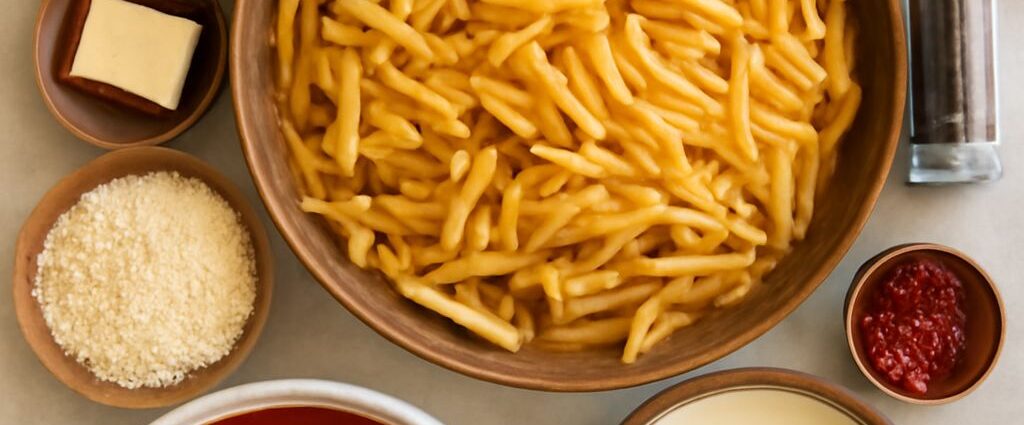
Tomato paste pasta sauce is one of the fastest ways to make a rich, pantry-friendly sauce for noodles. With a few basics, tomato paste becomes silky, savory, and ready for dinner in about 15 minutes.
The key is to cook the paste briefly, thin it with pasta water or broth, and season it well. That gives you a sauce that tastes cooked, not flat or overly sharp.
What to Know About Tomato Paste Sauce
Tomato paste is concentrated, so a little goes a long way. It adds deep tomato flavor, body, and color without needing hours of simmering. Because it is thick and intense, it works best when loosened with liquid and balanced with fat, salt, and a touch of sweetness if needed.
For a basic tomato paste pasta sauce, keep these pantry items on hand:
- Tomato paste
- Olive oil or butter
- Garlic or onion, if available
- Pasta water, broth, or plain water
- Salt and black pepper
- Dried Italian herbs, basil, oregano, or chili flakes
A good starting ratio is 2 to 3 tablespoons tomato paste for every 8 ounces of pasta, then adjust to taste. If you want a lighter sauce, use more liquid. For a thicker finish, use less.
How to Make Pasta Sauce with Tomato Paste
Start by cooking the aromatics. Warm 1 to 2 tablespoons olive oil or butter in a skillet over medium heat. Add minced garlic or finely chopped onion, and cook just until fragrant and soft, about 1 minute for garlic and 3 to 5 minutes for onion.
Next, add the tomato paste. Stir it into the fat and cook for 1 to 2 minutes. This step matters because it deepens the flavor and removes any raw, tinny edge.
Then add liquid a little at a time. Use about 1/2 cup pasta water, broth, or water for a small batch, stirring until the paste turns into a smooth sauce. Add more liquid as needed until it coats the back of a spoon but still clings to pasta.
Season the sauce with salt, black pepper, and dried herbs. A pinch of sugar can help if the paste tastes too sharp, but it is optional. If the sauce seems too thick, loosen it with more pasta water. If it tastes flat, add a little salt or a splash of reserved pasta water.
Toss the sauce with just-cooked pasta and let it finish in the pan for 30 to 60 seconds. That final toss helps the sauce settle into the noodles. Serve right away with grated cheese, fresh herbs, or a drizzle of olive oil.
Creamy and Other Easy Variations
Tomato paste sauce is easy to adjust once you know the base method. Small changes can make it feel lighter, richer, or more comforting without much extra work.
- Creamy version: Stir in 2 to 4 tablespoons cream, half-and-half, or milk at the end. Keep the heat low so it stays smooth.
- Cheesy version: Add grated Parmesan or Pecorino after the sauce is off the heat. The cheese thickens the sauce and adds saltiness.
- Spicy version: Cook red pepper flakes with the garlic or onion. This gives the sauce a gentle heat.
- Herby version: Add dried oregano, basil, thyme, or Italian seasoning while the paste is cooking.
- Garlicky version: Use extra garlic and finish with a little olive oil for a sharper, more savory sauce.
- Vegetable version: Fold in sautéed mushrooms, spinach, zucchini, or roasted peppers for more texture and volume.
If you want the sauce to feel fuller, a spoonful of butter at the end rounds out the flavor. For a brighter result, add a small splash of lemon juice or a little pasta water just before serving.
Common Mistakes to Avoid
The most common mistake is adding tomato paste straight to pasta without cooking it first. That can leave the sauce tasting raw and harsh. Always give the paste a minute or two in oil or butter before thinning it out.
Another mistake is using too little liquid. Tomato paste is dense, so the sauce can turn stiff quickly. Add liquid gradually and stop when the texture is glossy and smooth.
Do not forget to season in layers. Tomato paste needs salt, fat, and sometimes herbs to taste balanced. If the sauce seems flat, it usually needs one of those elements rather than more paste.
Also avoid heavy heat once dairy is added. Cream, milk, and cheese can separate or clump if boiled hard. Keep the burner low and stir until just combined.
Finally, taste before serving. Some tomato pastes are sweeter, while others are more acidic. A small adjustment of salt, butter, sugar, or pasta water is often enough to bring the sauce together.
With a short cook, the right liquid, and simple seasoning, tomato paste pasta sauce becomes a reliable weeknight option. It is fast, flexible, and easy to build from whatever is already in the pantry.










Comments are closed, but trackbacks and pingbacks are open.