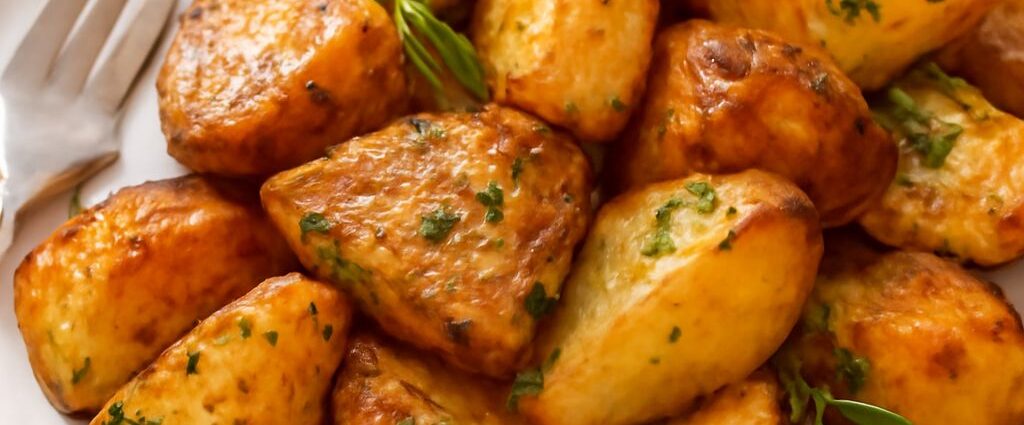
Seasoned potatoes are easiest when you match the seasoning to the cooking method, the cut, and the amount of fat in the pan. Salt, pepper, herbs, spices, oil, and butter all work, but timing matters as much as the ingredients.
If you want potatoes that taste balanced instead of bland or overdone, start with the basics: season evenly, use enough heat to help flavor stick, and taste near the end. That approach works for roasted potatoes, boiled potatoes, pan-fried potatoes, and mashed potatoes.
What to Know Before Seasoning Potatoes
Potatoes are mild, so they need more seasoning than many other vegetables. Their surface can hold a lot of flavor, especially when cut into wedges, cubes, or thin slices. Whole potatoes need more time for seasoning to reach the center.
Salt is the starting point. It sharpens the potato’s flavor and helps other seasonings stand out. Fat also matters because oil or butter carries herbs and spices across the surface. Without enough fat, seasonings can fall off or taste dry.
Choose your potato based on the result you want. Starchy potatoes, such as russets, become fluffy and work well for mashed potatoes or baked potatoes. Waxy potatoes, such as red or Yukon Gold, hold their shape better for roasted potatoes, skillet potatoes, and salads.
For most recipes, a simple blend is enough: salt, black pepper, garlic powder, and a little paprika or herbs. From there, you can adjust for the dish and the cooking style.
How to Season Potatoes Step by Step
Start by washing the potatoes well. Peel them only if the recipe calls for it. Leaving the skin on adds texture and helps roasted or pan-fried potatoes hold up better.
- Cut the potatoes evenly. Similar-size pieces cook at the same rate, which makes seasoning more consistent.
- Dry them well. Extra moisture keeps oil and spices from coating the surface evenly.
- Toss with fat first. Use oil for roasting and pan-frying, or melted butter for a richer finish. A light, even coating is enough.
- Add the dry seasonings. Salt, pepper, garlic powder, onion powder, paprika, rosemary, thyme, or chili flakes all work well.
- Mix thoroughly. Every piece should look lightly coated, not buried under seasoning.
- Cook until tender and browned. Browning develops deeper flavor, especially on roasted potatoes and skillet potatoes.
- Taste and finish. Add a final pinch of salt, fresh herbs, or a small pat of butter if needed.
For boiled potatoes, season the cooking water lightly with salt, then finish the drained potatoes with butter, herbs, or a vinaigrette. For mashed potatoes, season in layers: salt the cooking water, then add butter, warm milk or cream, and black pepper after mashing.
If you are seasoning potatoes for the oven, preheat the pan or sheet if you want more browning. A hot surface helps the outside crisp before the inside softens.
Seasoning Ideas for Different Potato Dishes
Roasted potatoes: Olive oil, salt, pepper, garlic powder, paprika, and rosemary make a reliable combination. Add thyme or oregano for a more herbal taste. For extra crisp edges, avoid overcrowding the pan.
Pan-fried potatoes: Use butter, oil, or both. Onions, black pepper, smoked paprika, and parsley work well here. Let the potatoes sit in the pan long enough to develop color before stirring.
Baked potatoes: Keep the skin well coated with oil and salt if you want a savory exterior. After baking, top with butter, chives, sour cream, or shredded cheese if the dish allows it.
Mashed potatoes: Keep the seasoning simple and clean. Salt, pepper, butter, and a little garlic are usually enough. Chives, dill, or parsley can brighten the final bowl.
Boiled potatoes: Since boiling removes some surface flavor, use a salty cooking water and finish with butter, olive oil, fresh herbs, lemon zest, or mustard-based dressing depending on the dish.
Air-fried potatoes: A light coating of oil helps the seasoning stick. Garlic powder, paprika, onion powder, and rosemary usually hold up well in the dry heat.
Easy Ways to Make Potatoes More Flavorful
Fresh herbs add brightness, especially at the end of cooking. Parsley, chives, dill, and rosemary each bring a different result. Dried herbs are useful during cooking because they stand up to heat better than delicate fresh leaves.
Acid can make potatoes taste more lively. A squeeze of lemon, a splash of vinegar, or a spoonful of mustard-based dressing can balance richer ingredients like butter and cheese. Use acid sparingly so it supports the potatoes instead of overpowering them.
Spices can change the flavor profile quickly. Paprika gives warmth, cumin adds earthiness, chili powder adds heat, and curry powder creates a stronger savory note. Use one or two at a time so the taste stays clear.
Alliums also help. Garlic and onion powder are easy to use and blend well into roasted potatoes, skillet potatoes, and mashed potatoes. Fresh minced garlic works too, but it can burn if added too early in high heat.
If you want stronger flavor without adding complexity, salt the potatoes in stages. A little in the cooking water, a little with the fat, and a final pinch at the end often gives the best result.
Common Mistakes to Avoid
Using too little salt. Potatoes need enough salt to taste seasoned all the way through. If the flavor seems flat, salt is often the missing piece.
Adding wet seasoning too early. Fresh herbs, lemon juice, and sauces can lose impact or burn during long cooking. Save them for the finish when needed.
Skipping the fat. Dry seasonings need oil or butter to cling to the surface. Without it, the flavor can seem patchy.
Overcrowding the pan. When potatoes sit too close together, they steam instead of brown. That reduces both texture and flavor.
Cutting uneven pieces. Large and small pieces cook differently, so some end up over-seasoned and others undercooked.
Using too many strong flavors at once. Garlic, smoky spices, hot pepper, and strong herbs can compete. Build one clear flavor direction and keep the rest simple.
Well-seasoned potatoes do not need much. A good cut, enough salt, the right fat, and careful cooking are usually enough to turn a plain side dish into something worth repeating.






Comments are closed, but trackbacks and pingbacks are open.