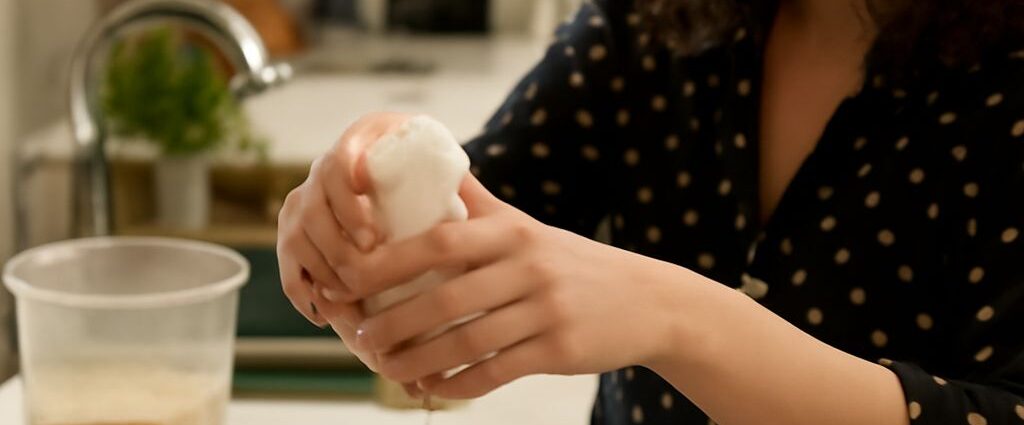
If you want to make corn syrup at home, the simplest reliable method is to turn corn starch into a thick, clear syrup on the stovetop. You will need corn starch, water, sugar, a little acid, and steady heat. The result is not identical to commercial syrup, but it works well for baking, candy, and general kitchen use.
The key is to keep the mixture moving, cook it until it thickens and turns glossy, then strain and cool it properly. Follow the steps below for a smooth corn syrup from corn starch method that is easy to control.
Quick Answer
To make a basic homemade corn syrup, combine 1 cup water, 2 cups sugar, 1/2 cup corn starch, 1/4 teaspoon cream of tartar or lemon juice, and a pinch of salt. Whisk the corn starch into cold water first, then heat it with the sugar and acid until the mixture becomes clear and syrupy.
Cook over medium heat, stirring often, until it lightly coats a spoon and looks glossy. For a lighter syrup, stop earlier. For a thicker syrup, simmer a little longer, but do not let it scorch or crystallize.
Step-By-Step Method
- Mix the corn starch slurry. In a bowl, whisk the corn starch with about 1/2 cup of the water until smooth. This prevents lumps.
- Combine the ingredients. Pour the remaining water into a saucepan. Add the sugar, salt, and cream of tartar or lemon juice. Stir to dissolve.
- Add the slurry. Whisk the corn starch mixture into the saucepan. Keep stirring so it stays evenly mixed before heating fully.
- Heat gently. Set the pan over medium heat. Stir constantly at first, then frequently as it warms. The mixture should thicken gradually.
- Watch for clarity. As the starch cooks, the liquid should become smoother and more translucent. If it stays cloudy and gluey, it needs more time.
- Simmer to the right texture. Once it starts bubbling, lower the heat and simmer for 3 to 5 minutes, stirring often. It should coat the back of a spoon and drip slowly.
- Check the finish. Remove the pan from the heat when the syrup looks glossy and slightly thick. If you want a pourable syrup, stop before it becomes too heavy.
- Strain if needed. If you see any lumps, pour the syrup through a fine sieve while warm.
- Cool completely. Let it sit until room temperature before transferring it to a clean jar or bottle.
If you want a more neutral flavor, use only a small amount of lemon juice. If you want a slightly richer taste, add a little vanilla after the syrup cools. Keep additions modest so the texture stays stable.
Tips and Mistakes to Avoid
Use cold water for the slurry. Corn starch clumps fast in warm liquid, so always mix it with cold water before heating.
Stir early and often. Once the pan heats up, the starch can settle and stick. A whisk works better than a spoon for the first few minutes.
Do not boil too hard. A rapid boil can make the syrup lumpy or encourage scorching on the bottom of the pan. Gentle simmering gives a smoother finish.
Do not skip the acid. A little cream of tartar or lemon juice helps reduce crystallization. Without it, the syrup may turn grainy as it cools.
Do not overcook. If the syrup becomes very thick in the pan, it may turn sticky or hard once cooled. Stop when it still flows slowly from a spoon.
Watch for common kitchen checks. The syrup is ready when it looks shiny, tastes sweet without a raw starch flavor, and moves in a slow ribbon when poured.
Storage and Kitchen Notes
Store homemade corn syrup in a clean, airtight jar in the refrigerator. It usually keeps well for 2 to 3 weeks. If it thickens in the cold, let it sit at room temperature for a few minutes before using.
If crystals form, warm the jar in a bowl of hot water and stir gently. If the syrup smells off, shows mold, or develops an unusual color, discard it.
This homemade version works best in recipes where you want sweetness and smooth texture, such as glazes, caramel-style sauces, and baked desserts. It is not a perfect replacement for every commercial formula, but it is useful when you need a practical corn syrup substitute made from pantry ingredients.
For best results, measure carefully and keep the heat moderate. That simple approach gives you a clearer, smoother syrup with fewer mistakes and better control in the kitchen.








Comments are closed, but trackbacks and pingbacks are open.