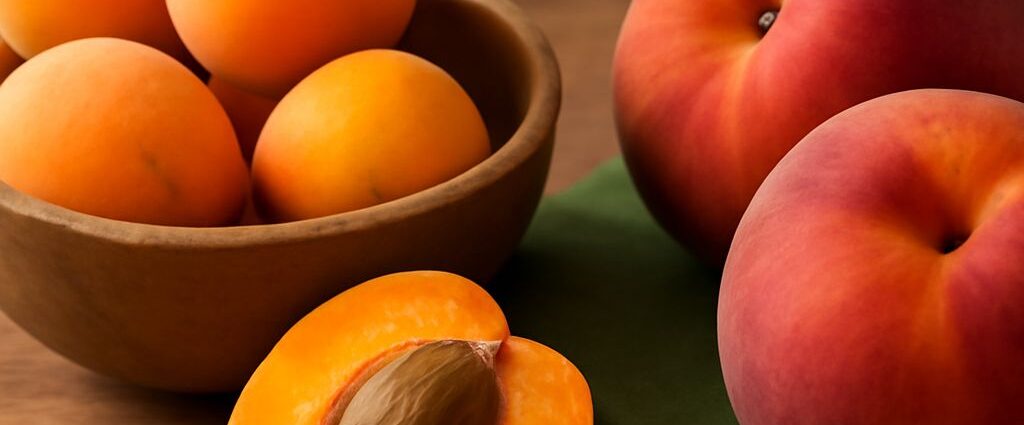
For a juicy cobbler, a ripe peach brings plenty of soft, sweet flesh; for a tart with a brighter edge and pieces that can keep their shape, reach for an apricot. When choosing between an apricot and a peach, ripeness matters as much as the name on the produce sign.
The choice of peach or apricot also affects preparation: a large peach gives you more flesh per pit, while small apricots need more individual cutting. Both are stone fruits, but their skins, flavors, and cooking behavior make each valuable in a different way.
Peach vs Apricot: The Practical Differences
A peach vs apricot choice starts with size and texture. Peaches are generally larger and juicier, with noticeably fuzzy skin. Apricots are smaller, often have a fine velvety skin, and tend toward a firmer, less juicy bite. Both surround a hard pit with edible flesh. Color varies by variety and ripeness, so size and color alone are imperfect guides to flavor.
In an apricot vs peach comparison, think of the apricot as the fruit for a concentrated, sweet-tart note and the peach as the one for generous, flowing juice. An excellent ripe specimen of either fruit can be sweet and fragrant; an underripe one can be firm and disappointing. Taste a small piece before adding sugar or lemon to a dish.
| Feature | Apricot | Peach |
|---|---|---|
| Size | Usually smaller | Usually larger |
| Skin | Fine, velvety fuzz | More noticeable fuzz |
| Flesh | Often firm and relatively less juicy | Often soft and very juicy when ripe |
| Flavor | Sweet with a pronounced tang | Fragrant and generally sweet, with acidity varying by fruit |
| Kitchen strength | Halves, tarts, compotes | Slices, cobblers, fresh bowls |
Fruit picked too early may soften without developing full flavor. Ripe fruit should smell pleasant and yield slightly without being mushy or bruised.
Skin, Flesh, and the Pit
Both skins are edible after washing. Peach fuzz bothers some diners, especially in a smooth sauce, but it presents little trouble in a rustic crisp. Apricot skin is thinner and usually unobtrusive, so peeling each small fruit is rarely worth the effort. Plum skin is smooth and can contribute color and tartness to a cooked dish.
A peach can be freestone or clingstone: the flesh either separates readily from the pit or holds tightly to it. Utah State University Extension explains this distinction. Apricot flesh also surrounds a pit, and how easily it comes away can vary. Cut around the natural seam, twist gently if the fruit allows, and remove the pit. If it clings, cut the flesh away in smaller pieces instead of forcing the halves apart.
Discard the pits. Wash fruit under running water before cutting and dry it for a secure grip. Cut even pieces for a tart; irregular pieces work for sauce.
Flavor and Texture at the Table
The difference between apricots and peaches is especially clear when both are ripe. An apricot often tastes tangy and aromatic, with a denser bite. A peach can be floral and sweet, with juice that runs when bitten. Texture and sweetness vary with variety, maturity, and storage; a dry peach and a particularly juicy apricot can upset the tidy comparison.
Slice a peach over oatmeal or plant-based yogurt for a juicy breakfast. Dice an apricot for a sharper accent. Taste first: very ripe fruit may need no sweetener.
In a salad, a firm-ripe peach offers gentle sweetness; apricot wedges add a sweet-tart contrast. Add either shortly before serving to protect its texture.
The question of apricots vs peaches becomes easier when the dish has a clear goal: choose a juicy topping for pancakes, or a tangier fruit that can stand out against almond pastry. If a recipe calls for fresh fruit, dried apricots are a different ingredient: their concentrated flavor, chewy texture, and low moisture call for their own recipe or adjustment.
Swapping One for the Other in Cooking
For a non-canned crisp or compote, replace one fruit with the other by prepared weight rather than by number of pieces. Remove pits first. Start with the amount of sugar in the recipe reduced slightly, then taste the filling when possible and adjust for the fruit you have. A ripe peach can release more liquid, while a firmer apricot may need a splash of water to soften in a pan.
In a pie or cobbler, extra juice can make the bottom soggy. If the substituted peaches are very juicy, use the thickener specified by the recipe and give the filling time to cool and set after baking. For a noticeably wetter filling, a modest increase in that recipe’s thickener may help; too much produces a pasty texture. With firmer apricots, check tenderness with a knife before removing the dish from the oven.
For an apricot peach crisp, combine both fruits after cutting them into similar-sized pieces. The peach supplies softness and juice, while the apricot adds a tart accent. Bake until the fruit bubbles and the pieces are tender, then let the dish rest before serving. This is a flexible dessert, so the proportions can follow the fruit in your kitchen.
An apricot and peach substitution in a quick pan sauce follows the same logic. Cook the fruit over moderate heat, stirring gently, and add a spoonful of water only if the pan dries before the fruit softens. If it is too loose, simmer uncovered for a little longer. If the pieces are falling apart before the liquid reduces, lift them out and reduce the liquid separately.
For shelf-stable canning, follow a tested recipe for the specific fruit and preparation. Do not assume these fruits have interchangeable acidity or processing requirements. The National Center for Home Food Preservation has separate directions for peaches and apricots; its peach guidance also distinguishes white peaches. Use the fruit, acidification, and processing method specified by the tested recipe.
Plum vs Peach: Choosing for a Recipe
In a plum vs peach decision, the skin is a useful clue to the result: plum skin is smooth and can taste tangy, while peach skin is fuzzy and the flesh is often softer and juicier. A plum can range from sweet to quite tart depending on variety and ripeness. Both work in a skillet, but the color and acidity of the finished sauce will differ.
For a peach and plum swap in a salad, taste the plum skin before adding a sharp dressing. In a baked dessert, cut firm plums a little thinner than soft peaches so the pieces finish cooking at roughly the same time. Plum skins may tint the filling red or purple, which can be a lovely feature if that is the look you want.
Nectarine vs Plum, and Plum vs Apricot
For a nectarine vs plum choice, begin with the texture you want. A nectarine is a smooth-skinned form of peach, with a peach-like aroma and flesh that can be firm or juicy depending on ripeness. A plum has smooth skin too, but its flavor, flesh color, and tartness vary widely. Choose firm nectarine slices for a fresh fruit plate and a ripe plum for a colorful compote.
When comparing nectarines with plums in a recipe, use prepared weight and taste the fruit. If the plum is tart, the finished filling may need a little more sugar; if it is very juicy, let a cooked sauce reduce before spooning it over a dessert. For an uncooked dish, add a small amount of dressing first and adjust after tasting.
A plum and apricot pairing works well in a simple baked fruit dish: the plum can lend color and juice, while the apricot brings a more concentrated flavor. Cut both into pieces of similar thickness. Because their ripeness may differ, check several pieces for tenderness rather than assuming they will soften at exactly the same rate.
If you are choosing between plums and apricots for a tart, consider the filling. A juicy plum can leave more liquid and stain a pale custard; a firm apricot can offer a neater, tangier bite. Either can work when the fruit is ripe and the filling is suited to its moisture.
Buying and Storing Stone Fruit
Choose fruit that is fragrant and free of mold, leaking spots, and deep bruises. A little give under gentle pressure suggests ripeness; squeeze carefully, since stone fruit bruises easily. Hard, very immature fruit may soften without gaining much flavor. At the store, buy fruit at different stages of ripeness if you plan to eat it over several days.
Keep firm, mature fruit at room temperature until it softens, checking daily. Once ripe, refrigerate it and use promptly. Let chilled fruit warm slightly before serving if you want its aroma to be more noticeable. Utah State University Extension groups apricots, nectarines, and peaches together in its harvest and storage guidance.
For a juicy cobbler or fresh bowl, choose a fragrant, yielding peach. For a tart where a bright flavor and firmer pieces matter, choose ripe but still firm apricots. A plum is a good pick when a colorful, tangy sauce is the goal; a nectarine brings peach-like flavor without the fuzz.








Comments are closed, but trackbacks and pingbacks are open.