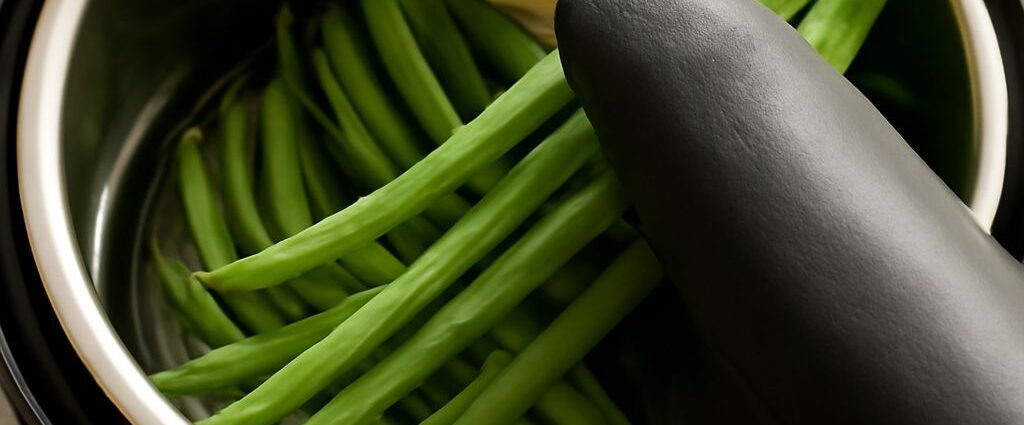
You can can green beans at home, but not safely with a water bath alone. Green beans are a low-acid food, so they need a pressure canner to reach the temperatures required for safe preservation. If you do not have one, the safest answer is to freeze the beans instead or use a pressure canner later.
That said, you can still prepare green beans for canning the right way, and you can also use a water bath only for very specific high-acid pickled versions. Here is the clear method, plus the safety limits and storage basics.
Quick Answer
If your goal is plain canned green beans, do not use a water bath canner. It cannot make low-acid vegetables safe for shelf storage. Use a pressure canner, or choose a different preservation method.
If you mean pickled green beans, a water bath may be suitable only when the recipe has enough vinegar and follows tested proportions. The acid level must be high enough to make the beans safe.
Step-By-Step Method
For plain green beans, the basic prep is the same whether you later pressure-can them or refrigerate them first.
- Choose fresh beans. Pick firm, crisp beans with no soft spots or heavy blemishes.
- Wash and trim. Rinse well, then trim both ends. Cut into pieces if needed.
- Sort by quality. Remove limp, fibrous, or damaged beans. Poor beans stay poor after processing.
- Pack jars cleanly. Use hot jars and pack beans loosely so liquid can move around them.
- Add hot liquid. For pressure canning, hot water is usually added over the beans, leaving proper headspace.
- Remove air bubbles. Slide a clean tool around the inside of the jar to release trapped air.
- Adjust headspace and lids. Leave the recommended space at the top, wipe rims, and secure lids fingertip-tight.
- Process in a pressure canner. Follow a tested recipe for the exact jar size, bean cut, and processing time.
Kitchen check: After processing and cooling, lids should be sealed down in the center. Any jar that did not seal must be refrigerated and used soon.
Water Bath Canning Green Beans: What To Know
Plain green beans are not safe for water bath canning. The issue is acidity. Boiling water does not get hot enough to destroy the microorganisms that can survive in low-acid vegetables.
Water bath canning only becomes an option when the beans are turned into a properly acidified pickle. In that case, the vinegar, salt, spices, and bean ratio must come from a tested pickled green bean recipe. Do not improvise the acid level or swap ingredients casually.
If you want shelf-stable plain beans, pressure canning is the correct method. If you only have a water bath setup, freezing is the safer choice.
Tips and Mistakes to Avoid
- Do not guess the process. Green beans need a tested canning method, not a shortcut.
- Use fresh beans. Older beans get tough and stringy, which hurts texture after storage.
- Pack evenly. Crowded jars trap air and can leave uneven heating.
- Keep rims clean. Food on the rim can prevent a good seal.
- Do not overfill jars. Too little headspace can force liquid out during processing.
- Check seals after cooling. If a lid flexes, the jar was not sealed correctly.
A common mistake is assuming that vinegar or spices make any bean recipe safe in a water bath. They do not unless the recipe is specifically designed that way.
Storage and Serving Notes
Store sealed jars in a cool, dark place once they are fully cooled and checked. Avoid warm shelves, sunlight, and damp areas. Properly sealed jars usually keep best in stable conditions, and quality stays higher when you use them within a year.
Before serving, look for signs of spoilage such as bulging lids, leaks, cloudiness, or odd smells. If anything seems off, discard the jar without tasting.
For serving, plain canned green beans work well heated with butter, garlic, or herbs. Pickled green beans are better chilled as a tangy snack or garnish.









Comments are closed, but trackbacks and pingbacks are open.