
Vegan soul food transforms beloved Southern comfort dishes into plant-based masterpieces without sacrificing the rich, satisfying flavors that define this cherished cuisine. These recipes honor traditional cooking methods while embracing creative substitutions that deliver the same warmth and nourishment.
From smoky collard greens to creamy mac and cheese, vegan southern food proves that plant-based cooking can capture every bit of soul food’s comforting essence. The key lies in understanding how to layer flavors and textures using wholesome, accessible ingredients.
What Makes Vegan Soul Food Work
The magic of plant-based soul food lies in building deep, complex flavors through traditional techniques. Smoking, slow-cooking, and proper seasoning create the signature taste profiles that make these dishes so satisfying. Umami-rich ingredients like mushrooms, nutritional yeast, and liquid smoke replace animal products while maintaining authentic flavors.
Successful vegan soul food recipes focus on texture contrast and bold seasonings. Creamy elements balance hearty grains, while aromatic spice blends provide the warmth and depth that define Southern cooking. The foundation remains unchanged: generous seasoning, patient cooking, and ingredients that bring people together.
Essential Ingredients and Substitutions
Building a vegan southern food pantry starts with versatile staples that deliver maximum flavor impact. Cashews create creamy bases for mac and cheese or rich gravies. Mushrooms provide meaty texture and umami depth in dishes traditionally made with pork or chicken.
Key substitutions include using vegetable broth enhanced with liquid smoke for traditional ham hock flavoring. Nutritional yeast adds cheesy richness, while tahini or cashew cream replaces dairy in cornbread and desserts. Jackfruit works beautifully in pulled “pork” applications, absorbing barbecue flavors perfectly.
Essential seasonings include smoked paprika, garlic powder, onion powder, and cayenne pepper. Fresh herbs like thyme and sage complement dried spices, while hot sauce and vinegar provide the tangy brightness that balances rich, hearty dishes.
Core Vegan Soul Food Recipes
Classic collard greens transform beautifully using vegetable broth, smoked paprika, and sautéed mushrooms for depth. Simmer cleaned greens with onions, garlic, and a splash of apple cider vinegar for traditional tang. Add liquid smoke gradually to achieve that signature smoky flavor.
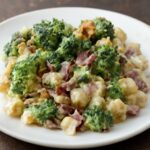
Vegan mac and cheese relies on cashew cream blended with nutritional yeast, mustard powder, and turmeric for color. Cook pasta until just tender, then fold into the cheese sauce with breadcrumb topping for textural contrast.
Cornbread becomes plant-based by substituting plant milk and flax eggs for dairy and eggs. The key is maintaining proper moisture balance while achieving that slightly crumbly, tender texture that pairs perfectly with savory dishes.
Black-eyed peas shine when cooked with aromatic vegetables, bay leaves, and smoky seasonings. Start with dried peas soaked overnight, then simmer with onions, celery, and bell peppers until creamy and tender.
Cooking Techniques for Authentic Flavors
Proper seasoning builds throughout the cooking process rather than just at the end. Layer spices by toasting whole spices first, then adding ground seasonings at different stages. This technique creates complex flavor profiles that develop and deepen during cooking.
Slow cooking methods work exceptionally well for plant-based versions of traditional dishes. Low, gentle heat allows vegetables to break down naturally, creating rich, concentrated flavors. Patience during this process rewards you with deeply satisfying results.
Building umami through browning vegetables properly adds crucial depth. Take time to caramelize onions fully and brown mushrooms until golden. These foundational flavors support the entire dish and create the savory backbone that makes soul food so compelling.
Serving and Storage Tips
Vegan soul food often tastes even better the next day as flavors continue melding and developing. Store most dishes in refrigerator containers for up to four days, reheating gently to preserve textures and prevent overcooking.
Serve dishes family-style to honor soul food’s communal tradition. Cornbread pairs beautifully with almost every dish, while pickled vegetables add bright contrast to rich, creamy preparations. Hot sauce on the table allows everyone to customize heat levels.
Freeze portions of stews, beans, and grain-based dishes for convenient future meals. Most vegan soul food freezes well for up to three months, making it perfect for meal preparation and ensuring you always have comforting options available.









Comments are closed, but trackbacks and pingbacks are open.