Offering easy toddler dinner ideas that are both plant-based and kid-approved is possible with a little creativity and planning. Busy parents often need nutritious toddler meals that are simple to prepare and serve, without sacrificing taste or variety. This guide covers practical toddler meal ideas, smart ways to handle picky eaters, and reliable plant-based recipes for healthy, happy kids.
Why Plant-Based Meals for Toddlers?
Plant-based toddler food ideas provide essential nutrients and can help introduce a wide variety of flavors and textures early in life. These meals often include whole grains, beans, lentils, vegetables, fruits, and plant-based proteins like tofu and tempeh. Choosing a plant-forward approach means lower saturated fat, zero cholesterol, and often a higher intake of fiber, vitamins, and minerals. For many families, plant-based toddler dinner ideas make it easier to offer balanced nutrition while supporting lifelong healthy habits.
Beyond health benefits, introducing plant-based toddler meal ideas helps kids develop positive food preferences. Early exposure to diverse vegetables, legumes, and whole grains can reduce resistance to new foods later on. Because plant-based meals naturally avoid common allergens found in dairy and eggs, they are also a safe choice for children with sensitivities. Meals full of color and variety—like roasted veggie bowls or lentil patties—can appeal visually, making mealtime smoother for parents and children alike.
Parents often worry about protein, iron, and calcium, but with careful planning, plant-based toddler meals provide all the essential nutrients. Beans, lentils, tofu, fortified plant milks, and leafy greens are easy to incorporate. You can boost iron absorption by serving vitamin C-rich foods, like bell peppers or citrus, alongside beans and greens. Toddlers thrive when meals offer plenty of textures, flavors, and nutrients, all of which are easy to achieve with a plant-based focus.
Finally, plant-based meals are often budget-friendly and environmentally sustainable. Using pantry staples like brown rice, oats, and lentils keeps costs down, while seasonal produce adds variety and freshness. By making plant-based eating a routine part of your toddler’s diet, you lay the groundwork for health, sustainability, and adventurous eating in the years ahead.
Quick and Nutritious Toddler Meals
Fast toddler meals don’t have to mean plain pasta or crackers. It’s possible to prepare healthy plant-based dinners in under 30 minutes using simple ingredients and minimal prep. One reliable favorite is a veggie stir-fry with tofu: sauté mixed vegetables (such as carrots, bell peppers, and broccoli) in olive oil, add cubed tofu, and toss with a splash of reduced-sodium soy sauce. Serve this over brown rice or quinoa for a complete, balanced plate.
Another speedy dinner option is whole-wheat pita stuffed with hummus, shredded carrots, thinly sliced cucumbers, and cherry tomatoes. This meal offers protein, fiber, and healthy fats in a portable, handheld format most toddlers love. For even more variety, try black bean and sweet potato quesadillas: mash cooked sweet potato and black beans, spread onto a whole-wheat tortilla, and toast lightly in a skillet until warm and slightly crisp. Cut into small wedges for easy toddler handling.
Bowls are another fast way to assemble toddler food ideas from leftovers or pantry staples. Start with a base of cooked grains, then add a mix of roasted or steamed veggies, chickpeas, and a simple dressing like lemon-tahini or mild salsa. To keep things interesting, rotate sides: offer fruit slices, roasted chickpeas, avocado cubes, or a dollop of non-dairy yogurt. When time is tight, build-your-own bowls let kids pick and choose from healthy options, encouraging independence and exploring new flavors.
Soup is a quick, nourishing choice, especially in cooler months. Lentil soup cooks in under 30 minutes and can be loaded with chopped carrots, celery, peas, and tomatoes. Serve with whole-grain toast fingers or soft bread for dipping. Prepping extra soup for the freezer makes for an instant future dinner, perfect for busy evenings or unexpected delays.
Creative Toddler Meal Ideas
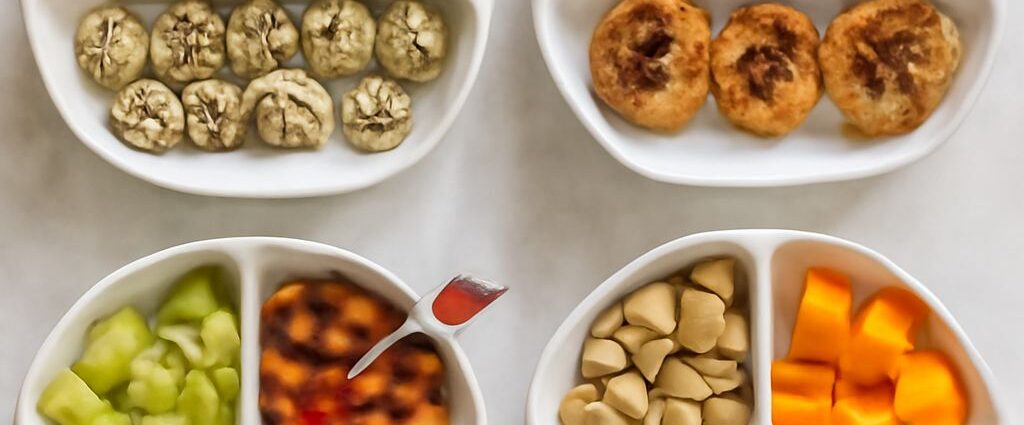
Making toddler meals fun and visually appealing increases the chances of a smooth dinnertime. Turn ordinary foods into playful shapes and bright colors: use cookie cutters for sandwiches, fruit, or roasted veggies. Bento-style plates, with compartments for different foods, make variety exciting and help toddlers explore new tastes without feeling overwhelmed.
Try rainbow veggie wraps using colorful bell peppers, shredded purple cabbage, grated carrots, and creamy hummus rolled tightly in a whole-wheat tortilla. Slice into pinwheels for easy eating. Another creative idea is a DIY taco platter: present small bowls of mashed black beans, diced tomatoes, avocado, corn, and shredded lettuce alongside mini corn tortillas. Toddlers enjoy assembling their own tacos and are often more willing to taste a food they helped create.
Mini veggie burgers are a toddler favorite, especially when made with mild seasonings and small enough for little hands. Use a base of cooked lentils, oats, grated zucchini, and finely diced carrots; shape into tiny patties and pan-fry until golden. Serve with a side of oven-baked sweet potato fries and a scoop of applesauce for dipping. You can also try breakfast-for-dinner with savory oat pancakes: combine rolled oats, mashed banana, spinach, and a pinch of cinnamon, then cook small pancakes on a griddle. Serve with fresh fruit and unsweetened applesauce for a balanced meal.
Another way to keep meals fresh is to offer tasting plates, featuring a variety of small portions. Include cubes of baked tofu, steamed peas, roasted squash, cherry tomatoes, brown rice, and fruit slices. This format encourages toddlers to sample new foods and choose favorites. Rotate ingredients often to introduce new textures and flavors, while offering at least one familiar item at each meal.
Tips for Picky Eaters
Almost every parent faces challenges with picky eating, but there are strategies to encourage acceptance of new toddler meal ideas. Keep offering a wide range of foods, even if they’re initially refused. Research shows it can take up to 15 exposures for a toddler to accept a new food. Avoid pressure or bribes, and aim for a relaxed mealtime atmosphere—this helps toddlers listen to their internal hunger cues and develop a positive relationship with food.
Serve meals family style when possible, allowing toddlers to choose which items (and how much) to put on their plate. Present at least one familiar favorite along with any new or less-loved foods. For example, if you’re introducing lentil stew, serve it with slices of whole-grain bread or a favorite fruit. Pairing familiar and unfamiliar foods reduces anxiety and increases the chance your child will taste something new.
Presentation matters for toddlers. Arrange foods by color, create simple faces using olives for eyes, or build food “rainbows” on the plate. Give silly names to vegetables or make up stories about the meal: calling broccoli “little trees” or chickpeas “superhero beans” can spark curiosity. Get toddlers involved in prepping meals—wash veggies, stir batter, or assemble their own wraps. Kids who help make meals are often more interested in eating them.
Texture can be a sticking point for many toddlers. If your child rejects cooked carrots, try offering them raw or grated. Switch between soft, crunchy, smooth, and chunky foods to discover preferences. Dips and spreads, like hummus or guacamole, are often a hit and encourage trying new veggies. Stay patient and consistent—variety and relaxed expectations pay off over time.
Easy Plant-Based Recipes for Toddlers
Plant-based dinners don’t have to be complicated. Here are a few reliable toddler dinner ideas that are packed with nutrition, easy to prepare, and loved by kids. Each recipe includes tips for serving and adapting to suit your child’s age and preferences.
-
Chickpea Veggie Patties
Mash 1 can of drained chickpeas with 1 cup grated carrots, 1/2 cup finely chopped spinach, 1/4 cup breadcrumbs, and a sprinkle of mild curry powder. Mix in 1 tablespoon ground flaxseed soaked in 2 tablespoons water (as a binder). Shape into small patties and bake on a parchment-lined tray at 375°F (190°C) for 15–20 minutes, flipping halfway. Serve with cucumber slices, cherry tomatoes, and a spoonful of tahini dip. -
Lentil Tomato Pasta
Cook 1 cup red lentils in 3 cups water until soft, about 20 minutes. In a separate pan, simmer 2 cups tomato sauce with 1/2 cup grated zucchini and 1/2 cup chopped mushrooms. Stir in cooked lentils, season with dried basil, and toss with whole-wheat pasta shapes. Top with nutritional yeast or a little olive oil. This meal delivers protein, iron, and fiber in every bite. -
Rainbow Veggie Stir-Fry
Sauté 1/2 cup each of diced bell pepper, carrot, snap peas, and broccoli florets in olive oil until just tender. Add 1/2 cup cubed tofu and a splash of low-sodium soy sauce. Serve over brown rice or quinoa, and let your toddler sprinkle sesame seeds on top. Cut vegetables into toddler-friendly pieces to reduce choking risk. -
Creamy Avocado Toast
Mash 1 ripe avocado with a squeeze of lemon and spread on whole-grain bread. Top with thinly sliced radish, grated carrot, or halved cherry tomatoes. Cut toast into small squares or fun shapes for extra appeal. Pair with a side of fresh berries or orange segments for a well-rounded dinner plate. -
Sweet Potato and Black Bean Quesadillas
Mash 1 cooked sweet potato with 1/2 cup canned black beans. Spread on a whole-wheat tortilla, fold in half, and cook in a skillet over medium heat until golden and warmed through. Let cool slightly before cutting into triangles. Offer with salsa or non-dairy yogurt for dipping.
With these easy toddler dinner ideas, you can create nutritious, plant-based meals that support healthy growth and adventurous eating. Rotate ingredients and try new combinations to keep meals fresh and exciting. Remember, patience and variety are your best allies as you help your child discover a love for wholesome foods.





Comments are closed, but trackbacks and pingbacks are open.