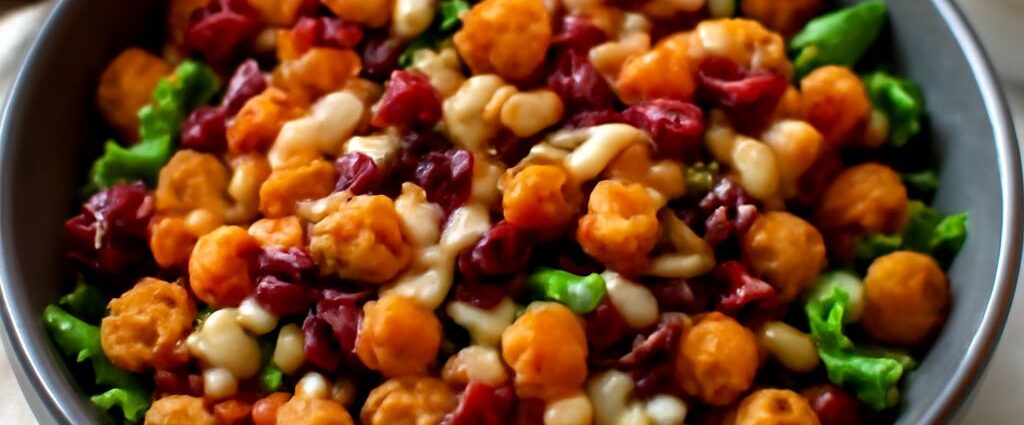
A vibrant vegan salad delivers fresh vegetables, plant-based protein, and bold flavors in one satisfying bowl. Whether you need a quick lunch, a light dinner, or a colorful side dish, building a balanced salad from whole-food ingredients keeps meals simple and nourishing. The best vegan salad recipes balance crisp greens, hearty toppings, and a flavorful dressing that ties everything together.
This guide walks you through choosing ingredients, layering textures, and storing your creations so they stay crisp. You’ll find practical variations to suit any season, along with tips to turn a basic bowl into a complete meal that satisfies without fuss.
What Makes a Great Vegan Salad
A successful vegan salad combines contrasting textures and complementary flavors. Start with a sturdy base of leafy greens—romaine, spinach, arugula, or kale—then add crunchy vegetables, a protein source, and a creamy or tangy dressing. The key is layering elements that won’t wilt too quickly and that offer enough substance to keep you full.
Plant-based salads shine when they include both raw and cooked components. Roasted chickpeas, grilled vegetables, or warm grains add depth, while fresh herbs and citrus brighten the overall taste. Balancing these elements ensures every forkful is interesting and complete.
Core Ingredients and Creative Variations
Begin with two to three cups of washed greens per serving. Mixed baby leaves, butter lettuce, or shredded cabbage all work well. Add color and crunch with diced cucumber, shredded carrot, sliced radish, cherry tomatoes, or bell pepper strips.
For protein, choose cooked lentils, marinated tofu cubes, tempeh crumbles, or canned beans rinsed and drained. Chickpeas roasted with smoked paprika or cumin bring a savory note, while edamame or black beans offer mild, creamy texture.
Boost richness with avocado slices, toasted nuts, or seeds such as sunflower, pumpkin, or hemp hearts. Whole grains like quinoa, farro, or brown rice turn a side salad into a main dish. For a lighter option, swap grains for spiralized zucchini or thinly sliced fennel.
Seasonal variations keep your vegan salad ideas fresh year-round. In summer, add peaches, corn, and basil. During autumn, toss in roasted butternut squash, pomegranate seeds, and toasted walnuts. Winter calls for shredded Brussels sprouts, dried cranberries, and pecans, while spring welcomes snap peas, asparagus, and fresh mint.
Building Your Salad Step by Step
Start by washing and drying your greens thoroughly; excess water dilutes dressing and makes leaves soggy. Tear or chop them into bite-sized pieces and place them in a large bowl. Arrange heavier ingredients—grains, beans, roasted vegetables—on top so they don’t crush delicate leaves.
Add raw vegetables next, distributing them evenly for visual appeal and balanced bites. Sprinkle nuts, seeds, or dried fruit over the surface, then finish with fresh herbs like cilantro, parsley, or dill. If serving immediately, drizzle dressing over the top and toss gently. For meal prep, keep dressing separate until ready to eat.
When assembling multiple servings, layer ingredients in individual jars or containers with the dressing at the bottom, followed by sturdy vegetables, grains, protein, and greens on top. This method prevents sogginess and makes grab-and-go lunches effortless.
Dressing Options for Plant-Based Bowls
A well-made dressing elevates simple ingredients into a cohesive dish. Classic vinaigrettes combine three parts oil with one part acid—lemon juice, lime juice, or vinegar—plus a pinch of salt and pepper. Whisk in Dijon mustard or maple syrup for extra depth.
Creamy plant-based dressings rely on blended cashews, tahini, or silken tofu. Mix tahini with lemon juice, garlic, and water for a Middle Eastern-inspired drizzle. Blend soaked cashews with nutritional yeast, apple cider vinegar, and herbs for a rich, tangy sauce.
For an Asian-style vegan salad, whisk together rice vinegar, sesame oil, grated ginger, and a touch of tamari. Peanut or almond butter thinned with lime juice and a splash of soy sauce creates a satisfying satay-style dressing. Always taste and adjust seasoning before serving.
Serving Suggestions and Storage Tips
Serve your vegan salad as a standalone meal, or pair it with soup, flatbread, or roasted vegetables for a larger spread. Top with microgreens, a squeeze of fresh citrus, or a sprinkle of nutritional yeast for extra flavor and visual appeal.
Store undressed salads in airtight containers in the refrigerator for up to three days. Keep dressing separate and add just before eating to maintain crispness. Leafy greens stay fresher when wrapped in a clean kitchen towel or stored with a paper towel to absorb moisture.
Cooked components like grains and roasted vegetables can be prepared in batches and refrigerated for up to five days, making weekday assembly quick and efficient.
Start with a simple base of greens, beans, and your favorite vegetables, then experiment with different dressings and toppings each week. Building confidence with a few core techniques opens the door to endless vegan salad variations that keep plant-based eating exciting and satisfying.






Comments are closed, but trackbacks and pingbacks are open.