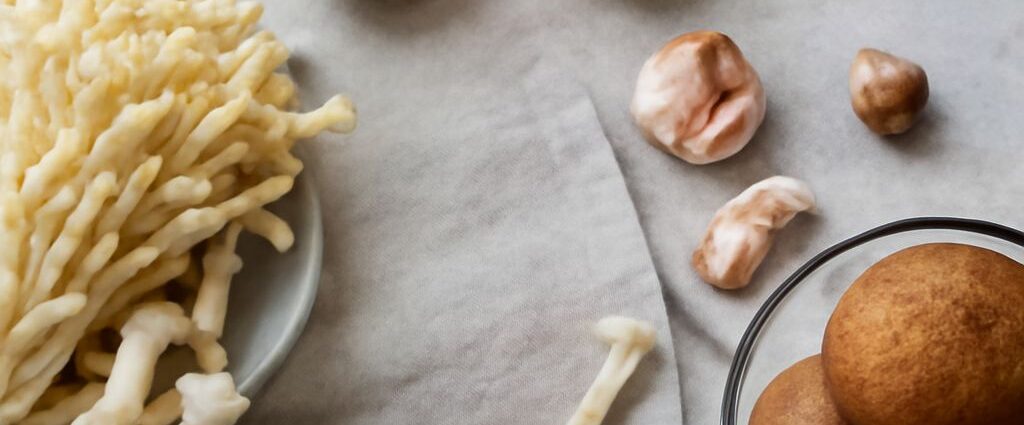
The candida diet is a targeted approach to eating designed to help control the overgrowth of Candida albicans, a common type of yeast that can cause digestive and systemic issues, especially in those prone to yeast infections. For vegetarians, following a candida diet can be challenging but achievable with careful planning. This guide explains the principles behind the candida diet, highlights vegetarian-friendly foods to eat and avoid, provides a sample candida diet plan, and offers tips for sustaining a candida free diet over the long term.
Understanding the Candida Diet
The candida diet is structured to reduce foods that feed yeast and promote those that support gut health and immune function. The core principle is to eliminate dietary sugars and simple carbohydrates, as these are the preferred fuel sources for candida. By restricting these, you reduce the ability of yeast to multiply and colonize the gut, which can help alleviate symptoms like bloating, fatigue, skin rashes, and recurrent yeast infections.
This eating approach is also known as the yeast infection diet and is often recommended as a short-term intervention lasting from a few weeks to several months, depending on individual response. However, many people choose to maintain some principles of the candida free diet even after symptoms subside to help prevent recurrence.
For vegetarians, a candida diet requires careful selection of protein sources, as many standard vegetarian options (such as processed soy products or sweetened dairy alternatives) may not align with the guidelines. Legumes and grains, which are staples in vegetarian diets, must also be chosen wisely, as some are higher in carbohydrates that can potentially feed yeast.
It’s important to note that while the candida diet plan can support the body’s natural defenses, it should be paired with guidance from a healthcare provider, particularly if you have underlying health conditions or are on medication. Additionally, individual tolerance to foods varies, so adjustments may be necessary for optimal comfort and results.
Key Foods to Eat
Building a vegetarian candida diet means focusing on foods that are low in sugars and simple starches, while maximizing nutrients that support the immune system and gut flora. Here are the top food groups and examples to prioritize:
- Non-starchy vegetables: These provide fiber, vitamins, and minerals without excess sugar. Examples include leafy greens (spinach, kale, arugula), cruciferous vegetables (broccoli, cauliflower, Brussels sprouts), zucchini, cucumber, asparagus, bell peppers, and mushrooms.
- Fermented foods (unsweetened): Sauerkraut, kimchi, pickles (without added sugar), and unsweetened coconut or soy yogurt with live cultures can help replenish healthy gut bacteria, which may keep candida in check.
- Low-sugar fruits (in moderation): Berries (such as strawberries, blackberries, and raspberries) are lower in sugar compared to tropical fruits and can be enjoyed in small amounts.
- Healthy fats: Avocado, olives, extra-virgin olive oil, coconut oil, nuts (such as walnuts and almonds), and seeds (chia, flax, pumpkin) are nutrient-dense and provide energy without feeding yeast.
- Protein sources: Eggs (if included in your vegetarian diet), tempeh, fermented tofu, unsweetened nut and seed butters, and hemp seeds offer protein without excessive carbohydrates. Small amounts of well-cooked lentils or chickpeas may be tolerated by some individuals, but monitor your symptoms.
- Herbs and spices: Garlic, ginger, oregano, turmeric, thyme, rosemary, and cinnamon are not only flavorful but may also possess anti-fungal properties.
- Gluten-free whole grains (in limited quantities): Quinoa, buckwheat, amaranth, and millet are more blood sugar stable than refined grains, but portion control is essential to prevent excessive carbohydrate intake.
When building meals on a candida diet plan, focus on combining these vegetables, healthy fats, and proteins to create satisfying, balanced dishes. Season liberally with herbs and spices for both flavor and added health benefits. Drink plenty of filtered water, herbal teas (like ginger or peppermint), and avoid sweetened beverages.
Sample vegetarian candida-friendly foods include a leafy green salad with avocado and hemp seeds, roasted cauliflower and broccoli drizzled with olive oil, or a breakfast bowl of chia pudding made with unsweetened almond milk and a handful of berries.
Foods to Avoid
The effectiveness of a yeast infection diet relies heavily on avoiding foods that contribute to candida overgrowth. Key groups to minimize or eliminate include:
- Sugar and sweeteners: Table sugar, honey, agave nectar, maple syrup, coconut sugar, molasses, and artificial sweeteners can all fuel yeast growth. This includes hidden sugars in packaged foods, sauces, and beverages.
- Refined grains and starches: White bread, pasta, rice, crackers, corn chips, and baked goods made with refined flour are quickly converted into sugars in the body, providing food for yeast.
- High-sugar fruits: Bananas, grapes, mangoes, cherries, pineapple, and dried fruits are high in natural sugars and should be avoided or strictly limited during the initial phase of the candida diet plan.
- Dairy products: Milk, sweetened yogurts, soft cheeses, and ice cream contain lactose, a sugar that can feed candida. Unsweetened, probiotic-rich yogurts made from coconut or almond milk are a better option if tolerated.
- Alcohol: Beer, wine, spirits, and even kombucha contain either sugars or yeast that can worsen symptoms and are not recommended on a candida diet.
- Processed and packaged foods: Many processed vegetarian foods—like veggie burgers, fake meats, and flavored tofu—often include sugars, starches, or preservatives that disrupt gut balance.
- Vinegar and condiments: Most vinegars (except for raw apple cider vinegar), ketchup, barbecue sauce, soy sauce, and salad dressings may contain sugars or yeast.
- Certain legumes and grains: While legumes and grains can be part of a vegetarian diet, those higher in starch, like potatoes, corn, peas, and white rice, should be limited or avoided.
Be vigilant when reading ingredient labels, as sugars and starches can appear under many names. Even seemingly healthy vegetarian foods may contain hidden ingredients that undermine your candida free diet efforts. When dining out or buying pre-made items, don’t hesitate to ask about added sugars, flours, or preservatives.
Eliminating or minimizing these foods is a cornerstone of the candida diet and can make a significant difference in symptom improvement and long-term gut health. Focus on whole, minimally processed foods to maximize your chances of success.
Sample Candida Diet Plan
A practical candida diet plan for vegetarians should include three main meals and one or two snacks, each built around non-starchy vegetables, healthy fats, and appropriate protein sources. Below is a sample one-day meal plan to demonstrate how these foods can fit together:
- Breakfast: Chia pudding made with unsweetened almond milk, topped with a few raspberries and a sprinkle of cinnamon. Add a tablespoon of ground flaxseed for extra fiber and healthy fats.
- Mid-morning snack: Sliced cucumber and bell pepper strips with a serving of unsweetened sunflower seed butter for dipping.
- Lunch: Large mixed greens salad with spinach, kale, shredded carrot, roasted broccoli, avocado, pumpkin seeds, and a lemon-olive oil dressing. Add a serving of tempeh or sliced hard-boiled egg (if ovo-vegetarian).
- Afternoon snack: A small serving of unsweetened coconut yogurt with a few walnuts and grated ginger.
- Dinner: Stir-fried asparagus, mushrooms, zucchini, and bok choy in coconut oil with garlic, ginger, and tamari (wheat-free soy sauce). Serve with a half-cup of cooked quinoa on the side.
For variety, rotate vegetables, protein sources, and flavorings throughout the week. Batch cook grains like quinoa or buckwheat and roast trays of assorted vegetables to save time. Consider making simple dressings with olive oil, apple cider vinegar (if tolerated), and fresh herbs. Use herbal teas and filtered water as your primary beverages.
To further customize your candida diet plan, track your symptoms and energy levels as you experiment with different foods. Some vegetarians may tolerate small servings of lentils or chickpeas, while others find these foods trigger symptoms. Gradually introduce new options and adjust portion sizes as needed to maintain stability and comfort.
Meal prepping and keeping healthy snacks on hand can help you avoid temptations and stay on track. If you find yourself missing certain foods, look for creative replacements, such as spiralized zucchini noodles instead of pasta, or mashed cauliflower rather than potatoes. Building your repertoire of candida friendly recipes makes long-term adherence much easier.
Tips for Maintaining a Candida Free Diet
Staying consistent with a candida free diet is key for long-term results. Here are practical strategies to help you maintain progress and avoid setbacks:
- Plan meals and snacks in advance: Batch cooking and prepping ingredients ahead of time makes it easier to stick with your plan, especially on busy days.
- Read labels carefully: Even vegetarian foods can hide sugars, starches, and preservatives. Familiarize yourself with ingredient names and don’t be afraid to ask questions when eating out.
- Rotate your foods: Eating a wide variety of vegetables, proteins, and healthy fats helps prevent boredom and supports balanced nutrition. Rotating foods also minimizes the risk of developing new sensitivities.
- Prioritize gut health: In addition to fermented foods, consider a high-quality probiotic supplement (consult your healthcare provider first). Support digestion with herbal teas, and avoid unnecessary antibiotic or antifungal medications unless prescribed.
- Manage cravings: Cravings for bread, sweets, or high-carb foods are common in the early stages of a candida diet. Combat these by eating balanced meals, drinking water, and using spices like cinnamon or vanilla extract (alcohol-free) for flavor.
- Track symptoms and progress: Keep a food and symptom diary to identify patterns and discover which foods work best for your body. Adjust your candida diet plan based on your experiences and improvements.
- Seek community support: Join online forums, local support groups, or engage with friends who are also making dietary changes. Sharing recipes and challenges can help you stay motivated.
Gradually reintroduce restricted foods only after symptoms have resolved, and do so one at a time while monitoring your response. Some people may find that permanent avoidance of certain foods is necessary to maintain wellness, while others can gradually expand their diet. Always listen to your body and consult a nutrition professional for personalized guidance, especially if you have unique dietary needs or restrictions.
With thoughtful planning, creativity, and commitment, a candida diet tailored for vegetarians can offer relief from yeast-related symptoms, renewed energy, and a sustainable way to support your long-term health.






Comments are closed, but trackbacks and pingbacks are open.