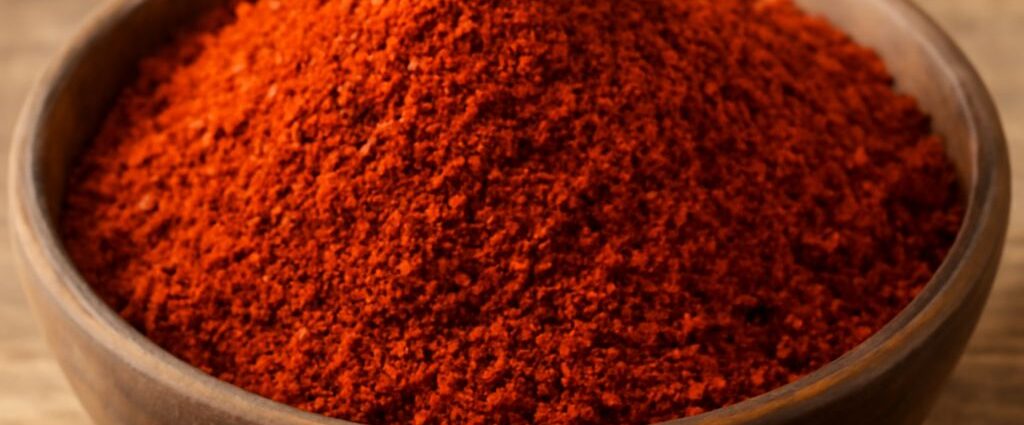
A pinch of paprika made from smoke-dried peppers brings a warm, woodsy note to beans, roasted vegetables, and sauces. Start with a little, stir it into the dish, and taste before adding more: the smoke can become prominent quickly.
The smoky flavor of this ground pepper is separate from its heat. Some varieties are mild and others are hot, so check the label before shaking a generous spoonful into a pot of lentils.
Smoke Paprika Peppers: How the Spice Gets Its Flavor
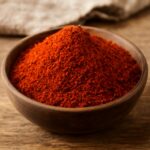
Paprika is a ground spice made from dried peppers. Some producers smoke paprika peppers as they dry them, then grind the dried fruit into a red powder. That smoke adds a savory aroma alongside the pepper’s own flavor. Other paprikas are dried without that smoky character, so two red powders can contribute quite different things to the same dish.
One specific example is Pimentón de la Vera, a protected Spanish designation. Its published product specification describes ripe peppers dried with oak or holm oak wood in the La Vera area before grinding. That is a description of this designated product, not a promise that every smoked pepper powder is made with the same wood or in the same place.
Open a fresh tin and smell it before cooking. Depending on the product, you may notice sweet pepper, a woodsy aroma, or a deeper toasted note. It can suggest food cooked over a fire, but it remains a spice made from peppers. A small amount brings that impression to a dish without needing to light a grill.
Mild, Bittersweet, or Hot?
Smoke and heat are two different decisions. A sweet or mild version can taste smoky without much chili heat; a hot one adds both. The La Vera specification describes sweet, bittersweet, and hot categories, with the hot type having pronounced heat. The names and intensity on other brands can differ, so read the words on the actual package.
On a Spanish tin, dulce means sweet, while picante indicates a hot version. A bittersweet or agridulce product sits in a different flavor category. “Sweet” describes the pepper’s character and relative heat, not a guarantee that sugar has been added. Check the ingredient list if you need to know exactly what is in the tin.
If the label doesn’t state a heat level, taste a very small pinch mixed into a little oil or food. Then decide how much to use. Heat tolerance varies, and the amount that brightens one person’s soup can persuade another to reach for a glass of water.
The intensity of the smoky paprika aroma can vary too. A newly opened package may smell more vivid than one that has spent a long time beside a warm stove. Let your nose and the age of the spice guide the final adjustment, rather than treating all jars as identical.
Smoked and Regular Paprika: What Changes?
Ordinary paprika is also made from dried peppers, but a package that simply says “paprika” should not be assumed to have been smoke-dried. It may be mild or hot, vivid in color, and pleasantly peppery without providing the woodsy note of the smoked version. Labels and producers’ descriptions are more useful than color alone.
The difference becomes clear in a pot of beans. Regular paprika can add red color and pepper flavor; smoked paprika also contributes a distinct aroma that changes the character of the broth. Both have a place in a pantry, but they are not identical in flavor.
If you are following a recipe that specifies one, use it when you can. A different paprika may still make a tasty meal, but the flavor will change. If you do use another product, begin with a modest amount and adjust after tasting rather than assuming every red powder has the same strength or heat.
How to Add It to a Pan
A little fat helps carry the spice through a dish. Stir a small pinch into warm oil with softened onion or garlic, then add the next ingredients promptly. Keep the heat moderate and watch the pan: ground spices can scorch quickly, and scorched paprika tastes bitter. If the pan is already smoking hot, move it off the heat briefly before adding the powder.
For a tomato sauce, add the spice after the aromatics have softened and before the tomatoes go in. Stir just long enough to distribute it, then add the liquid and simmer as the sauce requires. The goal is an even background note, not a layer of red dust sitting on top.
You can also mix it into oil before tossing vegetables for roasting. Coat the pieces evenly, leaving space on the pan so they brown rather than steam. Taste a piece when the vegetables are cooked; if the smoky pepper flavor is too quiet, finish with a little more of the spice mixed into the dressing or oil.
For a cold dip, stir the powder into hummus, white bean purée, or a yogurt-style plant-based dip. Give the mixture a good stir and taste it with the food you plan to serve alongside. A dip eaten with plain cucumber may need a different balance from one spread on salty crackers.
Plant-Forward Ways to Use the Spice
In a pot of chickpeas or white beans, the ground smoked pepper adds depth to a base of onion, garlic, and tomatoes. Let the dish simmer long enough for its ingredients to come together, then check the seasoning. Lemon juice or vinegar can lift a rich pot, while a little extra salt may be all it needs. Add each gradually.
On potatoes, the color of the smoke-dried pepper powder makes coverage easy to see. Toss cooked or raw potatoes with oil and a little of the spice before roasting, following your usual method for the type and size of potato. Turn the pieces when appropriate so the edges brown evenly. A squeeze of lemon or a spoonful of herby sauce makes a lively finish.
Lentils, cauliflower, mushrooms, and tofu can also take a small dusting. The point is to use the spice to support the other ingredients: earthy lentils, browned mushrooms, and sweet roasted cauliflower all have flavors worth keeping. A little cumin, garlic, or black pepper may fit the dish, but add them with a light hand so the smoke remains recognizable.
Some smoked paprika recipes use the spice as a finishing touch; others warm it early in oil or simmer it in a sauce. Both approaches work for different effects. A final pinch is easy to notice, while a small amount added earlier has more time to mingle with the rest of the dish.
Shopping and Storage
Look for a package that identifies the product as smoked and gives a heat level if that matters to you. A protected-origin tin is one option, but it is not the only kind of pepper seasoning with a smoky flavor. Compare the label, the stated heat, the ingredient list, and the package size for the dishes you actually cook.
A small tin is often a sensible first purchase when you are learning how much you like the flavor. You can always buy a larger package later. If a shop has several choices, distinguish “sweet,” “hot,” and blends containing other seasonings before comparing their prices.
Keep the container tightly closed in a cool, dry place away from direct light. Avoid holding an open jar over a steaming pot, where moisture can enter; measure the spice into a dry spoon instead. Over time the aroma can fade, so smell it before using an older tin and adjust to the actual flavor it has left.
Choose, Taste, and Finish
Choose mild or hot smoked paprika according to the people at your table, and check the label for the smoke and ingredients you want. Start with a small pinch in a bean dish, sauce, or tray of vegetables; taste once the spice has had a chance to mingle. Add another pinch only if the dish needs it, and let the pepper flavor share the plate with everything else.
Comments are closed, but trackbacks and pingbacks are open.