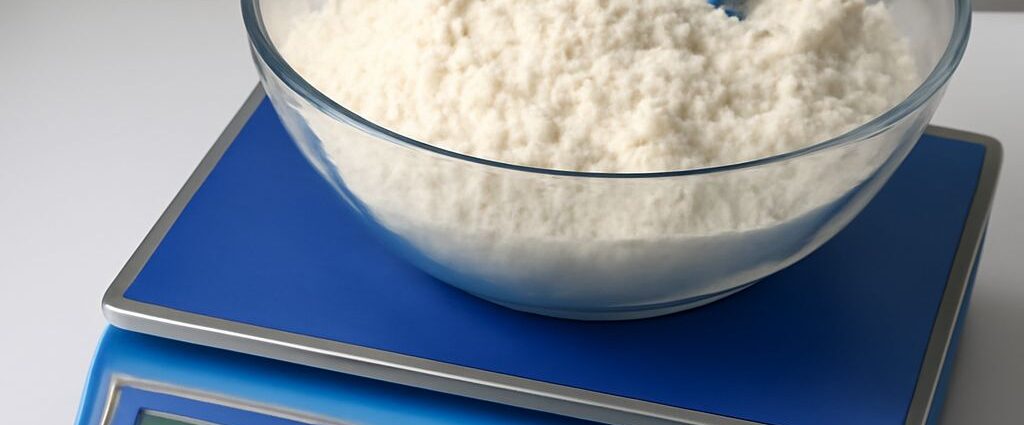
Understanding how much 1 cup of flour weighs is crucial for precise baking and cooking. Different types of flour can have slightly varying weights due to differences in texture and density. In this article, we will explore the weight of 1 cup of flour in grams and ounces, discuss factors that affect flour weight, and provide tips for accurate flour measurements.
Understanding Flour Measurements
Flour is a staple ingredient in many recipes, and measuring it accurately is key to achieving the desired outcome in baking. However, it’s important to note that the weight of flour can vary depending on the type of flour used and how it is measured. This makes it essential to understand the weight measurements for different types of flour.
1 Cup of Flour in Grams
The most commonly used type of flour in baking is all-purpose flour. For 1 cup of all-purpose flour, the weight is approximately 125 grams. This measurement is widely accepted in the culinary world and serves as a standard for most recipes. However, other types of flour may weigh differently due to their unique properties.
For instance, 1 cup of whole wheat flour typically weighs around 130 grams, while 1 cup of cake flour weighs about 115 grams. The finer texture of cake flour makes it less dense than all-purpose flour, resulting in a lighter weight. On the other hand, whole wheat flour contains more bran and germ, making it denser than all-purpose flour.
How Many Ounces in a Cup of Flour
When it comes to measuring flour in ounces, 1 cup of all-purpose flour is approximately 4.4 ounces. This conversion is helpful for those who prefer or require recipes that use the imperial system. Just like with grams, the type of flour can affect the weight in ounces as well.
For example, 1 cup of cake flour weighs about 4 ounces, and 1 cup of whole wheat flour weighs around 4.6 ounces. Understanding these differences can help you achieve better results in your recipes, especially when precision is crucial.
Factors Affecting Flour Weight
Several factors can influence the weight of 1 cup of flour, including:
- Flour Type: As mentioned earlier, different types of flour have varying weights due to differences in texture and density.
- Measuring Technique: The method used to scoop or pour flour into a measuring cup can impact its weight. Scooping directly from the bag can compress the flour, increasing its weight. It is generally recommended to spoon the flour into the cup and level it off with a knife for accuracy.
- Humidity Level: Flour can absorb moisture from the air, which can slightly increase its weight. Storing flour in a cool, dry place can help maintain its consistency.
Tips for Accurate Flour Measurements
To measure flour accurately and ensure consistent baking results, consider the following tips:
- Use a Kitchen Scale: For the most precise measurements, use a digital kitchen scale to weigh flour directly. This method eliminates the variability introduced by different measuring techniques.
- Fluff the Flour: Before measuring, fluff the flour in the container with a spoon or fork to aerate it. This helps prevent packing and provides a more accurate measurement.
- Spoon and Level: Use a spoon to fill the measuring cup with flour, then level it with the back of a knife. This technique helps avoid packing flour into the cup, which can lead to an inaccurate measurement.
- Store Flour Properly: Keep flour in an airtight container to protect it from moisture and odors. This will help maintain its quality and consistency.
Understanding the weight of 1 cup of flour in both grams and ounces, as well as the factors that can affect flour weight, is essential for successful baking. By following these tips for accurate flour measurements, you can ensure your recipes turn out as intended every time.







Comments are closed, but trackbacks and pingbacks are open.