
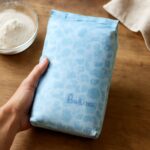
Choose a plain wheat flour labeled for general use when a recipe calls for all-purpose flour. It is a versatile staple for cookies, muffins, sauces, and many breads. An unbleached version of this everyday flour works in a wide range of recipes; check the rest of the label for protein, added ingredients, and package size before choosing a bag.
The best purchase is the one that fits both your recipe and your baking habits. A large bag may have a lower price per pound, but a smaller one can make more sense if you bake only occasionally. Flour is helpful in many places, though it has yet to learn to put itself away.
What makes this flour versatile?
All-purpose flour is usually a refined wheat flour made from the grain’s starchy endosperm. During milling, most of the bran and germ are removed. The result is a light-colored flour with a relatively neutral flavor that works in both sweet and savory dishes.
When flour and water are mixed, wheat proteins form gluten. Gluten gives dough structure: it helps bread hold the gas produced by yeast and gives baked goods their shape. The amount of protein and the way you mix both affect the outcome. More mixing develops more structure, which is welcome in many breads but can make muffins or pancakes tough.
A moderate-protein flour is a useful middle ground. It can provide enough structure for a loaf while still making tender quick breads when handled gently. Brands differ, however, so one bag may absorb water or produce a slightly different texture from another. If a recipe names a particular brand or gives a protein range, that information can help you choose.
A general-purpose wheat flour is not the same thing as self-rising flour. Self-rising products contain added leavening and salt. Choose plain flour when a recipe already specifies baking powder, baking soda, or yeast, unless it tells you otherwise. Adding a self-rising blend to a recipe written for plain flour can change the rise and seasoning.
Unbleached All Purpose Flour: What the Label Means
Unbleached flour has not been treated with bleaching agents used to whiten or modify some flours. It can be creamy white rather than bright white, and its color alone does not tell you how much protein it contains. Check the manufacturer’s information if protein matters for the bread or pastry you want to make.
For most everyday recipes, a plain unbleached wheat flour labeled for general use can be a practical choice. Use it in a pot of gravy, a batch of cookies, or a simple loaf. Bleached and unbleached versions can behave differently in some delicate cakes, so follow the recipe’s specific recommendation when it names one. King Arthur Baking’s explanation describes how processing and flour type affect those differences.
Unbleached does not mean whole grain. A refined flour that is unbleached still has most of the bran and germ removed. It also does not mean gluten-free: ordinary wheat flour contains gluten-forming proteins. If you need a whole-grain or gluten-free product, look for that information separately on the package.
Some packages say “enriched.” Enrichment refers to nutrients added back to refined flour under applicable standards; it is a separate question from bleaching. Read the ingredient list if you want to know whether a bag contains enriched flour or any other additions. Unbleached all purpose flour can be enriched, so both descriptions may appear together.
Compare flour types for the recipe
For a recipe asking for all purpose flour, a plain general-purpose wheat flour is the intended starting point. Other flours can be useful, but each changes the balance of structure, tenderness, or flavor. Think about the result you want before swapping:
- Bread flour generally has more protein and can support a chewier loaf. A recipe developed for it may need the extra structure.
- Cake or pastry flour generally has less protein and is suited to tender cakes or pastries. Follow a cake recipe that specifies it when a particularly fine crumb matters.
- Whole-wheat flour includes the bran and germ, bringing a fuller flavor and different water absorption. Start with a recipe written for it or replace only part of the white flour while learning how the dough behaves.
- Gluten-free blends vary in their ingredients and performance. Choose a blend suited to the recipe and follow its directions; a single gluten-free flour is rarely a direct substitute in every bake.
- Self-rising flour already contains leavening and salt. Use it where the recipe accounts for those ingredients.
If you transfer a bag into a container, label flour all purpose only when that is what its original package says. Include the brand and best-by date too. A clear label saves a future baker from guessing whether the pale powder is plain flour or a self-rising mix. Mystery ingredients are more entertaining in a cooking show than in a cake.
For a vegetable pie filling or a white sauce made with plant milk, a small amount of plain wheat flour can thicken the liquid. Cook it with the oil or other fat according to the recipe, then add liquid gradually while stirring. The flour needs time and heat to cook, and steady stirring helps prevent lumps.
Measure for consistent results
Flour can settle or become compressed in its bag. Scooping directly with a measuring cup may pack in more than the recipe developer intended, making dough stiff or baked goods dry. A kitchen scale removes much of that variation: put the bowl on the scale, zero it, and add the specified weight.
If the recipe gives cups only, follow its measuring method. A common method is to loosen the flour, spoon it gently into a dry measuring cup, and level the top with a straight edge. Do not shake or pack the cup unless the recipe directs you to. King Arthur’s weight chart uses 120 grams, or 4 1/4 ounces, per cup for its all-purpose flour; other recipe developers may use a different cup weight, so use the weight given in your recipe when available.
When comparing two batches, write down the flour brand, weight, and any change in liquid. A dough that feels slightly firmer with a different brand may need a little adjustment, but make small changes and follow the recipe’s description of the intended texture. Flour is a cooking ingredient, not a measuring-cup obstacle course.
Store and handle it well
Keep flour in a tightly closed, food-safe container in a cool, dry place. Write the purchase or best-by date on the container and retain the package information. For longer storage, the refrigerator or freezer can help protect quality; seal the container against moisture and odors, and allow it to come to room temperature while still closed before opening it. Follow any storage directions on the package.
Check the flour before use. A stale or rancid smell, visible insects, or signs of moisture are reasons to discard it. Buy an amount you can use reasonably soon, especially if your kitchen is warm or humid. A smaller bag that stays fresh can be the better value even when a larger one has a lower shelf price per pound.
Most flour is a raw food. The FDA advises against tasting raw flour, dough, or batter because harmful bacteria may be present. Bake or cook the food thoroughly, and wash hands, utensils, and work surfaces after handling raw flour. Vegan dough made without eggs still contains raw flour, so save the tasting for the finished cookie.
Choose a size and compare the price
First check the recipe: a plain unbleached all-purpose wheat flour is suitable for many everyday bakes, while a recipe that specifies bread, cake, or whole-wheat flour may need that particular type. Then estimate how often you will use the rest. A five-pound bag suits frequent baking; a smaller bag is easier to finish if this is an occasional project.
Compare the flour cost by dividing the shelf price by the number of pounds. For example, a hypothetical 5-pound bag at $4.50 costs $0.90 per pound; a 2-pound bag at $2.20 costs $1.10 per pound. The larger bag costs less per pound, but it asks for more money up front and more storage space. If a shelf label gives price per ounce, multiply by 16 to compare it with a price per pound.
Check that the products are comparable before deciding: plain and self-rising blends, organic and conventional bags, or different flour types may have different uses and prices. For your recipe, choose the suitable formulation first; then compare the unit price and buy the size you can use while it remains fresh.







Comments are closed, but trackbacks and pingbacks are open.