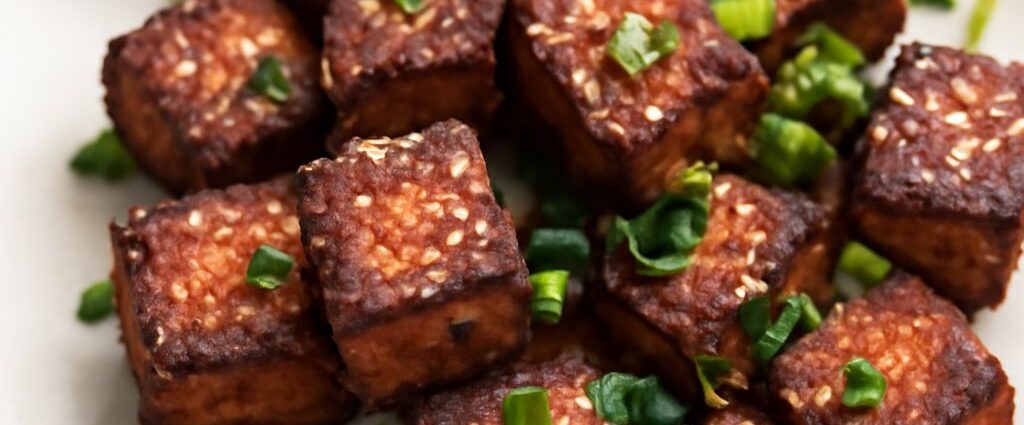
If you are wondering, do you have to cook tofu, the answer is usually no. Commercial tofu is generally ready to eat straight from its package, whether it is silken, soft, firm, or extra-firm.
Cooking remains popular because it changes tofu’s texture and flavor. It can make firm tofu crisp, give it a browned surface, or help it absorb a savory sauce. Uncooked tofu is useful when you want a cool, soft, creamy, or quick ingredient.
Do You Have to Cook Tofu? The Short Answer
You do not normally need to cook packaged tofu before eating it. Tofu is made by coagulating cooked soy milk, pressing the curds into blocks, and packaging the finished product. It is not the same as soaking and eating uncooked soybeans.
Unopened shelf-stable tofu can stay in a pantry until the package’s stated date. Refrigerated tofu belongs in the refrigerator, even before opening. Once you open either type, transfer leftovers to a covered container, add fresh water if the package instructions recommend it, and refrigerate them. Use the tofu according to the package’s storage guidance.
Drain tofu before using it when excess packing liquid would dilute a dish. For silken or soft tofu, pour off the liquid gently. Firm and extra-firm tofu can usually be drained, patted dry, and pressed briefly when you want better browning.
Why Packaged Tofu Is Already Set
Tofu starts with soybeans that are soaked, ground, and cooked into soy milk. A coagulant separates the milk into curds and liquid. Those curds are collected, shaped, and pressed into blocks with different water levels.
The finished tofu is then sealed in packaging. Some products receive additional heat processing and are sold shelf-stable. Others are packaged and kept refrigerated. In both cases, the tofu has already gone through the steps needed to create its familiar texture.
That is why tofu can be eaten cold from a newly opened package. “Ready to eat” does not mean every preparation is equally appealing, however. Packing liquid can taste bland, and tofu’s mild flavor may benefit from seasoning, marinating, or cooking.
Does Tofu Need to Be Cooked?
Does tofu need to be cooked? Not for basic safety when you are using a properly stored, commercially packaged product. Cook it when the recipe or the texture you want calls for it.
- Silken tofu: Its delicate, custard-like texture works uncooked in smoothies, dips, dressings, chilled soups, and desserts. It can also replace some dairy in sauces, but handle it gently because pressing can break it apart.
- Soft tofu: Soft tofu is suitable for cold salads, seasoned bowls, and simple dishes where a tender texture matters. It can be warmed carefully in soups or stews, though vigorous stirring may crumble it.
- Firm tofu: Firm tofu works both ways. Eat it chilled with soy sauce and toppings, or pan-fry, bake, grill, or simmer it in a sauce. Draining and patting it dry helps seasonings cling.
- Extra-firm tofu: Its lower water content makes it the best choice for cubes, slices, crumbles, stir-fries, sandwiches, and crisp baked pieces. Pressing it first can produce a denser, chewier center.
When Does Tofu Have to Be Cooked?
So, does tofu have to be cooked? Only when a particular dish requires a cooked result, or when you prefer the flavor and texture cooking provides. It does not usually need cooking simply because it is tofu.
Cooking adds browned, roasted, or crisp edges through methods such as pan-frying, baking, air-frying, or grilling. Heat also drives off some moisture, making firm and extra-firm tofu denser and more satisfying. A marinade may penetrate more effectively after the tofu is drained and lightly pressed.
For crisp tofu, cut firm or extra-firm tofu into even pieces, drain and pat them dry, then coat lightly with oil and seasoning. Bake or pan-fry until the surfaces are golden and the edges feel firm. Add sauce near the end if you want to preserve the crisp coating.
For soups and saucy dishes, you can add tofu directly after draining. Silken tofu is best stirred in gently or added at the end. Firm tofu can simmer longer without losing its shape, while extra-firm tofu holds up well in stir-fries and grilling.





Comments are closed, but trackbacks and pingbacks are open.