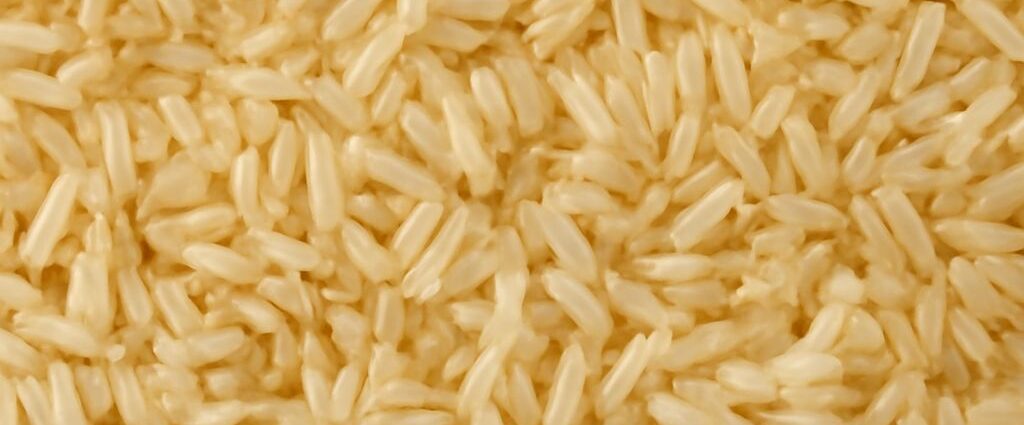
Parboiled rice is rice that has been soaked, steamed, and dried before it is milled. This industrial process changes the grain’s texture and helps it cook into firm, separate pieces rather than soft, sticky clumps.
If you are wondering what does parboiled rice mean, it does not mean rice that was merely undercooked at home. The rice is partially cooked during processing, then dried and packaged for cooking later. On the stovetop, use about 2 cups of water for 1 cup of rice, simmer for 20 to 25 minutes, and let it rest for 5 to 10 minutes.
What Does Parboiled Rice Mean?
Parboiling is a preparation method used before rice is fully milled. Producers first soak the harvested rice in water. They then expose it to steam or heat, which partially cooks the grain while it is still inside its outer husk. Finally, they dry the rice and remove the husk and bran layers through milling.
This process pushes some nutrients from the outer layers toward the rice’s center. It also changes the starch structure. As a result, parboiled rice usually stays firmer and less sticky after cooking than ordinary white rice.
The name can be confusing because “parboiled” sounds like a description of a home cooking mistake. It is not. You do not make true parboiled rice by boiling regular rice for too little time. Parboiled rice has been treated at the processing plant before you buy it.
Most products sold as parboiled rice have a light golden or slightly amber color before cooking. After cooking, the grains become pale, fluffy, and distinct. The exact color and texture vary by brand and by whether the product is long-grain, medium-grain, or another variety.
How It Differs From Regular White Rice
Regular white rice is milled to remove the husk, bran, and germ, then sold uncooked. Parboiled rice goes through soaking, steaming, and drying before milling. That extra processing is the main difference between the two products.
- Texture: Parboiled rice is typically firm, fluffy, and separate. Regular white rice tends to be softer and can become sticky if it absorbs too much water.
- Cooking time: Parboiled rice commonly needs about 20 to 25 minutes of simmering. Many regular white rice varieties cook in roughly 15 to 20 minutes.
- Water absorption: Parboiled rice often needs more water than regular white rice. A practical starting ratio is 2 cups of water to 1 cup of rice, though the package directions take priority.
- Appearance: Uncooked parboiled grains may look slightly yellow or translucent. Cooked grains are usually long, firm, and clearly separated.
- Forgiveness: The grains resist breaking and clumping, so parboiled rice is useful when it must remain fluffy for serving, holding, or reheating.
Regular white rice may be preferable when you want a tender, slightly sticky texture, such as with some rice bowls or dishes eaten with chopsticks. Parboiled rice works better when you want distinct grains and a less delicate result.
Do not treat the two types as interchangeable without adjusting the liquid and timing. Using a regular white rice ratio for parboiled rice can leave the grains firm in the center. Using too much water or cooking regular white rice for the longer time can make it soft and wet.
How to Cook Parboiled Rice
For a dependable stovetop method, start with this ratio:
- 1 cup parboiled rice
- 2 cups water or stock
- ¼ to ½ teaspoon salt, optional
- 1 teaspoon butter or oil, optional
- Rinse the rice if desired. Place it in a fine-mesh strainer and rinse under cool water until the water runs mostly clear. Rinsing removes loose surface starch, but it is not essential for every brand.
- Combine the ingredients. Add the rice, water or stock, salt, and butter or oil to a saucepan with a tight-fitting lid.
- Bring the pot to a boil. Heat uncovered until the liquid reaches a full boil. Stir once so the grains do not settle unevenly.
- Cover and reduce the heat. Turn the burner to low, cover the saucepan, and maintain a gentle simmer for 20 to 25 minutes. Avoid lifting the lid repeatedly because escaping steam changes the water balance.
- Check the texture. The rice is ready when the grains are tender and separate, with no hard or chalky white center. A slight firmness is normal; parboiled rice should not be mushy.
- Rest the rice. Remove the pan from the heat and leave it covered for 5 to 10 minutes. This allows remaining steam to finish the grains and helps distribute moisture evenly.
- Fluff and serve. Loosen the grains gently with a fork. Avoid vigorous stirring, which can break the grains and make the finished rice feel sticky.
Start checking near the 20-minute mark because saucepan size, burner strength, and rice variety affect the result. If the grains are still hard and the pan is dry, add 2 tablespoons of hot water, cover, and cook for another 3 to 5 minutes. If water remains after the grains are tender, drain it carefully and return the rice to the warm pan, covered, for 5 minutes.
The finished rice should look plump but not swollen, with individual grains that separate easily when lifted with a fork. Hard centers indicate insufficient liquid or cooking time. Wet, broken grains usually indicate excess water, an overly vigorous simmer, or too much stirring.
Best Uses for Parboiled White Rice
Parboiled white rice is a practical choice for meals where the grains need to stay distinct. Its firm texture holds up well with sauces, seasonings, and extended serving times.
- Pilafs: Toast the dry rice briefly with aromatics, then add the measured liquid and cook as directed. The grains stay separate while absorbing flavor.
- Curries and stews: Serve it beneath saucy dishes because it remains structured instead of turning immediately soft.
- Rice salads: Cool the cooked grains, then toss them with vegetables, herbs, dressing, or beans without creating a paste-like texture.
- Meal preparation: The firm grains generally reheat well. Add a small splash of water before reheating and cover to restore moisture.
- Stuffed vegetables and casseroles: Its resistance to clumping makes it easier to mix with fillings and seasonings.
- Fried rice: Cook it, cool it thoroughly, and refrigerate it before stir-frying. Drier, separate grains are less likely to clump in the pan.
Choose regular white rice instead when the recipe specifically depends on a softer or stickier texture. For parboiled rice, follow the package directions if they differ substantially, then use the tender, separate-grain texture as the final test.







Comments are closed, but trackbacks and pingbacks are open.