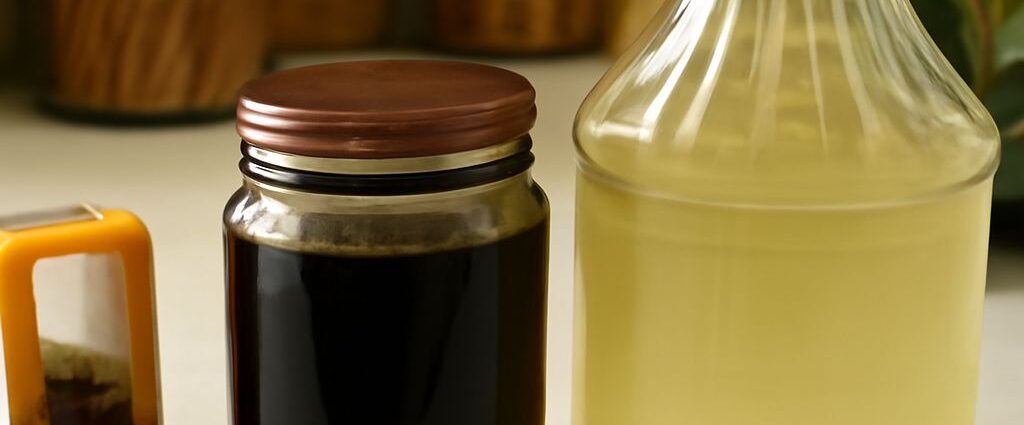
Homemade light corn syrup is a simple sugar syrup you can make with pantry staples when you need a mild, glossy sweetener. It is useful in many baking and sauce recipes, but it is not chemically the same as commercial corn syrup, which is glucose-rich and specially processed to resist crystallization.
This light corn syrup recipe gives you one measured substitute that works well in some desserts, glazes, and candies. It also explains where it falls short, so you can decide when to use it and when to choose another ingredient.
What Homemade Corn Syrup Can Replace
A homemade corn syrup substitute can stand in for light corn syrup in recipes where the syrup mainly adds sweetness, shine, and a smooth texture. It is a good fit for:
- pecan pie and similar baked fillings
- caramel sauces and dessert glazes
- frostings or toppings that need a little body
- some candy recipes with modest crystallization risk
It does not replace commercial corn syrup perfectly. Store-bought corn syrup contains glucose syrups made to control sugar crystals. A homemade sugar syrup is simpler and works more like an inverted syrup. It helps, but it will not behave exactly the same in every recipe.
If a recipe depends on a very stable candy texture, precise chew, or long-term crystal control, use the ingredient the recipe calls for. For everyday baking, this substitute is often good enough.
Homemade Light Corn Syrup Ingredients
Use this measured batch for a reliable light corn syrup recipe:
- 1 cup granulated sugar
- 1/2 cup water
- 1/4 teaspoon lemon juice or white vinegar
- Pinch of salt, optional
Estimated yield: about 3/4 cup syrup, depending on evaporation.
The acid matters. Lemon juice or vinegar helps limit crystallization by partially breaking sucrose into simpler sugars. That improves smoothness and gives you a more usable homemade corn syrup substitute.
Cook the Syrup to the Right Consistency
- Combine the sugar, water, and lemon juice in a small saucepan.
- Set the pan over medium heat and stir just until the sugar dissolves.
- Stop stirring once the syrup begins to simmer. Swirling the pan is safer than stirring.
- Let it cook gently until it reaches 230°F to 234°F on a candy thermometer.
- If you do not have a thermometer, test a spoonful in cold water. It should form a soft, thin thread and feel syrupy, not watery.
- Remove from the heat immediately and let it cool in the pan for 5 minutes.
To prevent crystallization, avoid sugar on the sides of the pan. If needed, brush down the sides with a wet pastry brush while the syrup heats. Do not scrape dry crystals back into the syrup.
When finished, the syrup should look clear, slightly thick, and pourable. It will thicken more as it cools.
Yield, Storage, and Substitution Limits
This batch makes enough for one standard pie, glaze, or sauce recipe. Use it as a 1:1 replacement for light corn syrup in moderate-heat baking and most syrup-based desserts.
Store the cooled syrup in a clean jar with a tight lid. Keep it in the refrigerator for up to 3 weeks. Warm it briefly in a bowl of hot water if it becomes too thick to pour.
Use this substitute for:
- pie fillings
- sweet sauces
- candied nuts
- marshmallow-style desserts
Avoid it for:
- high-precision candy making, such as brittle or nougat
- recipes that specifically need glucose syrup stability
- long-storage confections where crystal control is critical
If a recipe is sensitive, this homemade corn syrup is best treated as a practical substitute, not a perfect match. For most home baking, though, it gives you a smooth, workable syrup with a clean flavor and easy preparation.











Comments are closed, but trackbacks and pingbacks are open.