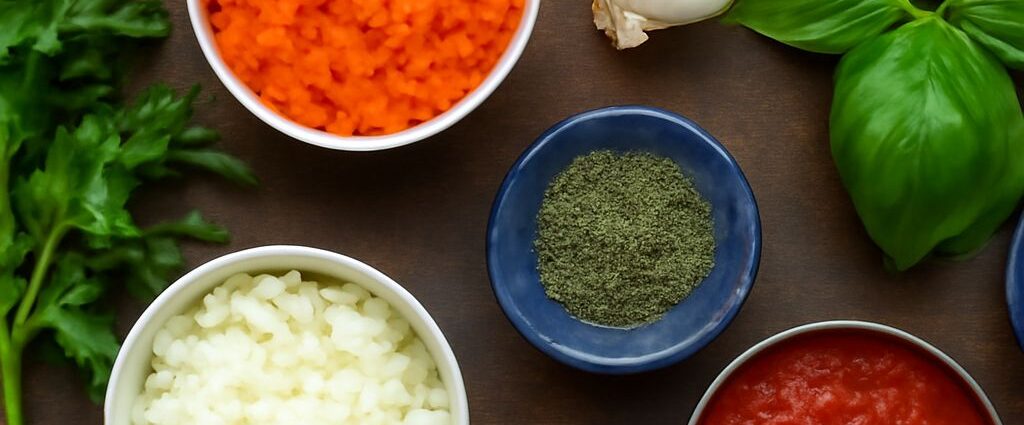
If you need tomato sauce quickly, tomato paste is one of the easiest shortcuts. With water, salt, oil, and a few seasonings, it can become a smooth, usable sauce in minutes.
The key is balance. Tomato paste is concentrated, so the sauce needs enough liquid, enough seasoning, and a short simmer to lose the sharp, canned taste.
What to Know Before You Start
To make tomato sauce from tomato paste, use a simple ratio as your base: 1 part tomato paste to 1 part water for a thick sauce, or a little more water for a lighter one. A common starting point is 6 ounces tomato paste plus 1 to 1 1/2 cups water.
You will also need salt and some fat. Olive oil helps round out the flavor, while garlic, onion powder, dried oregano, basil, or black pepper make the sauce taste more like a finished tomato sauce. If you want a softer, less acidic flavor, a small pinch of sugar can help, but it is optional.
The goal is not to create a long-cooked marinara from scratch. It is to turn pantry tomato paste into a practical sauce that works for pasta, pizza, vegetables, and baked dishes.
Simple Steps to Make the Sauce
- Start with the paste. Add 6 ounces of tomato paste to a small saucepan.
- Whisk in water. Add 1 to 1 1/2 cups water gradually, whisking until smooth. Use less water for a thicker sauce and more for a looser one.
- Add seasoning. Stir in 1 to 2 tablespoons olive oil, 1/2 teaspoon salt, 1/2 teaspoon garlic powder or 1 minced garlic clove, and 1/2 teaspoon dried oregano. Add black pepper to taste.
- Simmer briefly. Bring the mixture to a gentle simmer over medium heat, then cook for 5 to 10 minutes. Stir often so it does not stick.
- Taste and adjust. If the sauce tastes flat, add a little more salt. If it tastes too sharp, simmer it a few minutes longer or add a small pinch of sugar.
The finished sauce should coat a spoon, smell fragrant, and taste more balanced than the raw paste. If it becomes too thick, whisk in a splash of water. If it seems too thin, simmer uncovered for a few extra minutes.
For a smoother result, blend the sauce after simmering or press it through a fine sieve. That is optional, but it can help if you used minced garlic or want a very even texture.
Flavor Variations and Add-Ins
Once you know the base method, it is easy to adjust the sauce for different dishes.
- Garlic-forward: Sauté 1 to 2 minced garlic cloves in olive oil before adding the paste and water.
- Herb-heavy: Add basil, oregano, thyme, or parsley. Dried herbs work best if the sauce will simmer only a few minutes.
- Rich and savory: Stir in a little grated Parmesan, a splash of vegetable broth, or a spoonful of butter for extra body.
- Sweet and mild: Add a small pinch of sugar or a spoonful of finely grated carrot if the paste tastes too acidic.
- Spicy: Add red pepper flakes or a pinch of chili powder.
- Chunkier texture: Add finely diced onion, sautéed first, for a sauce closer to a quick marinara.
If you are using the sauce for pizza, keep it thicker and a little less seasoned. For pasta, a touch more water and olive oil usually gives a better finish. For baked dishes, make it slightly thicker so it does not water down the filling.
Common Mistakes to Avoid
The biggest mistake is using tomato paste with water alone and stopping there. That produces a thin, overly sharp sauce. Salt, fat, and seasoning are what turn it into something usable.
Another common problem is adding too much water too fast. Once the sauce is too thin, it takes longer to recover. Add liquid gradually and check texture as you go.
Do not skip the simmer. Even a short cook time helps the sauce mellow and the flavors blend. If you serve it immediately after mixing, it can taste harsh.
Be careful with sugar. A little can soften acidity, but too much makes the sauce taste flat and overly sweet. Start with a small amount, then taste again after simmering.
Finally, watch the heat. Tomato paste can scorch if left over high heat without stirring. Keep the simmer gentle and scrape the bottom of the pan as needed.
How to Use It in Vegetarian Mediterranean Recipes
This quick sauce fits easily into vegetarian Mediterranean-style cooking. Use it as a base for pasta with olives, capers, and herbs, or spoon it over roasted eggplant, zucchini, or chickpeas.
It also works well in stuffed peppers, vegetable casseroles, baked pasta, and shakshuka-style dishes. Because the sauce starts from tomato paste, it comes together fast on busy nights while still giving you a rich tomato flavor.
For the best result, keep a few pantry additions nearby: olive oil, garlic, oregano, basil, and black pepper. With those basics, tomato paste can become a dependable sauce any time you need one.








Comments are closed, but trackbacks and pingbacks are open.