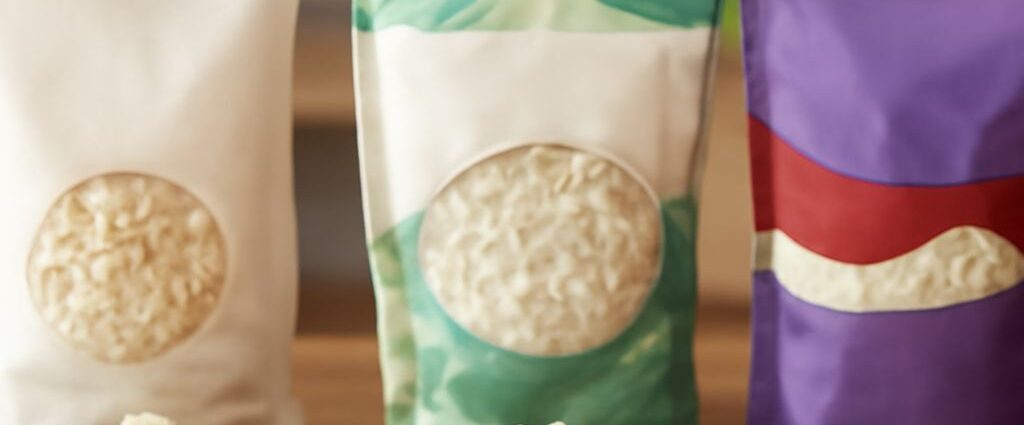
Vegan cheese alternatives give you reliable ways to recreate creamy sauces, gooey toppings, and sliceable sandwich fillings without dairy. The key is matching the cheese substitute to your recipe, because a shred that melts beautifully on a pizza will not spread like a soft cheese on a bagel. This guide covers how to pick the best vegan cheese alternatives for melting, slicing, and grating, what each type excels at, and the common mistakes that cause grainy textures or burnt edges.
What to Know About Vegan Cheese Alternatives
Most dairy-free cheese is built from a base of nuts (cashew, almond), coconut oil, soy protein, or a blend of starches and plant oils. These ingredients determine how the cheese behaves under heat. Coconut oil-based blocks and shreds become fluid when warm, making them ideal for melting, while cultured nut-based varieties deliver sharp, tangy notes but turn grainy or oily if overheated.
Texture matters as much as flavor. Some plant-based cheeses are designed to be eaten cold on a sandwich or cracker, while others are engineered for baking. Reading the label helps: “shreds” usually contain stabilizers that allow them to hold their shape and melt smoothly, whereas firmer blocks may need gentle heat or rapid serving to avoid separation. Nutritional profiles vary widely, but in the kitchen the practical focus stays on moisture content, melt point, and saltiness.
How to Choose the Right Cheese Substitute for Your Recipe
Start with how the dish is cooked. The same vegan cheese alternative that bubbles under a broiler can seize into a rubbery mass if stirred into a hot soup too quickly. Follow these checks to narrow your choice:
- Meltability. For pizza, quesadillas, and grilled sandwiches, look for shreds or slices labeled “melts” or “for baking.” They typically contain a blend of coconut oil and modified starches that mimic dairy melt. Use low, steady heat and a covered pan to trap steam if you need them to fully soften.
- Cold use. When the cheese stays raw—on a sandwich, a cheese board, or crumbled over salad—cultured nut cheeses, soft cashew spreads, and firm block-style alternatives give the best texture and flavor. They often taste sharp, tangy, or slightly fermented, closer to aged dairy cheese.
- Creamy sauces. For mac and cheese, nacho dip, or cream-based pasta, soft spreads and cream-cheese-style alternatives work well. Blended soaked cashews or store-bought tubs provide the smooth body you need, especially when whisked with a splash of unsweetened plant milk and a little mustard or nutritional yeast for depth.
- Grating and topping. Hard, parmesan-style sprinkles made from ground nuts, nutritional yeast, and salt deliver savory umami. A dedicated wedge-style block grates cleanly over pasta and roasted vegetables without turning to mush.
Consider the flavor intensity, too. A coconut-forward cheese substitute can overwhelm delicate dishes, while a smoked or herb-flecked variety may clash with subtle ingredients. Taste a small piece cold before adding it to a hot recipe so you can adjust the final seasoning.
Common Types of Vegan Cheese and Their Best Uses
Understanding the main formats of dairy-free cheese makes substitution straightforward. Each format is built for a specific kitchen job, and using the right one prevents texture failures.
- Shredded mozzarella and cheddar alternatives. Designed to melt and stretch. Sprinkle them on pizza, layer into enchiladas, or stir into a hot pasta bake. Cover the dish or give quick bursts under the broiler to create a bubbly, golden top.
- Sliced cheese substitutes. Pre-cut squares or rounds work cold in sandwiches and on burgers, or can be placed on a grill-pressed panini. When melted onto a patty, they soften best with a lid and a spoonful of water added to the pan to generate steam.
- Block and loaf styles. Firm blocks slice or grate like a traditional cheese. Use for a dairy-free cheese platter with crackers, cube them into a salad, or shave them with a vegetable peeler for a sandwich. They rarely melt into a sauce; instead treat them as a ready-to-eat component.
- Soft spreads and tub-style alternatives. Cream-cheese-like textures shine on bagels, stirred into mashed potatoes, or swirled into a cream sauce. Thin with a little warm pasta water when turning them into a cheese sauce to prevent clumps.
- Parmesan-style sprinkles. Typically a dry mix of almond flour, nutritional yeast, and salt. They add a savory finish to pasta, popcorn, and roasted broccoli. Because they contain little moisture, they won’t melt but deliver a concentrated cheesy note.
- Cultured nut cheeses. Made by fermenting a nut base, these develop a tangy, complex profile. Serve them at room temperature as a spread, or slice thin for a cheese board. Avoid prolonged baking, which can obliterate their subtle flavor and turn the texture chalky.
Mistakes to Avoid When Using Dairy-Free Cheese
Even the best vegan cheese alternatives can disappoint if they are handled incorrectly. Avoiding these common errors will keep your dishes tasting their best.
- Overheating or rushing the melt. Blasting a cheese substitute with direct high heat often separates the oil, leaving a greasy puddle and a tough skin. Use moderate oven temperatures and add cheese toward the end of baking when possible. On the stovetop, stir it in off the heat or over the lowest setting.
- Using the wrong format for the dish. Grabbing a soft, spreadable cheese when a recipe needs stretch or shred will not work. A block designed for cold slicing will never melt into a lasagna, and a sprinkle topping cannot bind a sauce. Match the cheese’s intended purpose to your cooking method.
- Skipping the label check. Not every “dairy-free” product is vegan; some still contain casein. If a fully plant-based option matters for your kitchen, scan the ingredient list for milk protein or whey. The same label check reveals coconut versus soy bases, which affect melt and taste.
- Storing incorrectly. Many plant-based cheeses are sensitive to air and humidity extremes. Once opened, wrap blocks and slices tightly and use within the window printed on the package. Shredded bags can develop freezer burn or dry out, so seal them well if freezing. Cultured nut cheeses should stay covered and consumed quickly after opening.
- Assuming all brands melt the same way. A mozzarella shred from one producer may bubble and brown, while another turns to liquid. Test a small amount in a ramekin before committing to a full batch, especially for a dinner you are serving to guests.








Comments are closed, but trackbacks and pingbacks are open.