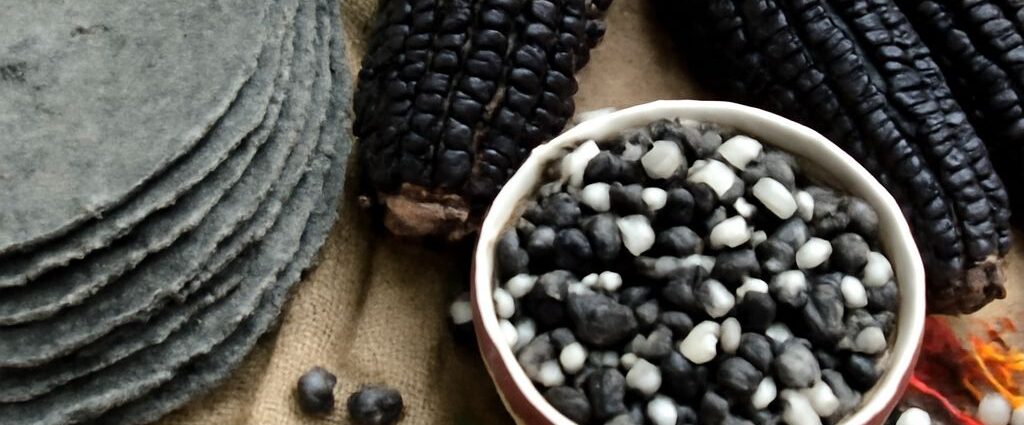
Blue corn is a type of maize known for its deep blue to purple kernels and nutty flavor. In the kitchen, it can be ground into flour or meal, cooked as whole kernels, or used for tortillas, porridge, and other simple dishes.
If you want to cook blue corn well, the main job is matching the form you bought to the right method. Blue corn meal cooks fast; whole kernels need soaking and longer simmering. A few basic checks help you get the right texture without ending up gritty or dry.
Quick Answer
Use blue corn like other corn products, but expect a slightly earthier taste and a firmer texture. Blue corn flour works best for tortillas, flatbreads, and baking blends. Blue cornmeal is good for mush, grits-style dishes, and thickening. Whole blue corn kernels need soaking and a long cook, especially if they are dried.
The simplest rule is this: finer grind, shorter cook; whole kernel, longer cook. Taste and texture are the best signs that it is done.
Step-By-Step Method
- Choose the form you need. Buy blue corn flour for doughs, blue cornmeal for porridge or breading, and dried kernels for simmered dishes.
- Rinse whole kernels if needed. Pour them into a sieve and remove dust or debris. This is especially useful for bulk purchases.
- Soak dried kernels. Cover with plenty of water and soak 8 to 12 hours. This shortens cooking time and helps them soften more evenly.
- Simmer gently. Drain, then add fresh water. Cook at a low simmer until tender, usually 60 to 120 minutes depending on age and size. Keep the liquid level above the kernels.
- Stir blue cornmeal while cooking. Whisk it into boiling liquid slowly to avoid lumps. For porridge, start with a loose mixture and thicken as it cooks.
- Let flour-based dough rest. If making tortillas or flatbreads, mix with warm water and salt, then rest the dough 15 to 20 minutes. This improves handling.
- Check texture before serving. Kernels should be tender but not mushy. Meal should feel smooth, not raw or chalky. Tortilla dough should hold together without cracking at the edges.
Tips and Mistakes to Avoid
- Do not confuse flour and meal. Blue corn flour is finer and absorbs liquid differently. Using the wrong grind can make dough dry or porridge grainy.
- Avoid high heat for whole kernels. A hard boil can split the kernels before they soften. Gentle simmering gives a better result.
- Add liquid gradually. Blue cornmeal thickens as it sits. If you pour in too little water at the start, it can seize into lumps.
- Season simply first. Salt, butter, cheese, honey, or roasted vegetables work well. Strong spices can hide the corn flavor.
- Watch for staleness. Blue corn products can taste flat if they are old. Fresh-smelling meal and flour usually give better flavor and color.
Storage and Serving Notes
Store dried blue corn kernels in an airtight container in a cool, dark place. Keep blue cornmeal and flour tightly sealed, and use them sooner rather than later, since whole-grain products can lose freshness faster than refined ones. If you notice a musty smell or bitterness, discard it.
Cooked blue corn keeps well in the refrigerator for about 3 to 4 days. Reheat with a splash of water or stock to restore moisture. For serving, pair it with eggs, beans, grilled vegetables, stews, or roasted meats. Blue corn tortillas and flatbreads are best warmed just before eating so they stay pliable.
When in doubt, taste a small spoonful or test one kernel before finishing the batch. That quick check tells you whether blue corn needs more time, more liquid, or just a little salt.







Comments are closed, but trackbacks and pingbacks are open.