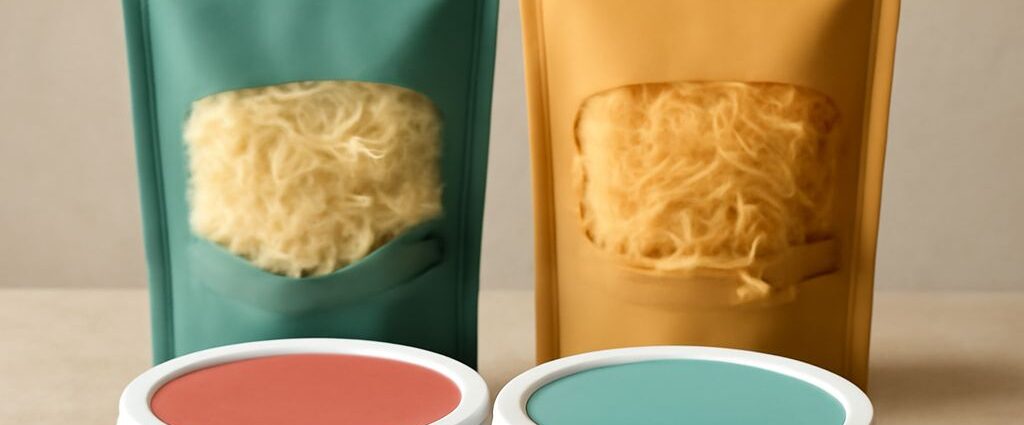
Non dairy cheese is a plant-based cheese alternative made without cow, goat, or sheep milk. It can work as a sandwich layer, pizza topping, pasta finish, or snack ingredient, depending on the format and ingredients.
For best results, treat it as a substitute with a specific job rather than a direct copy of dairy cheese. Some versions melt smoothly, while others are designed for slicing, spreading, or sprinkling.
Quick Overview
Most non dairy cheese is built from plant oils, starches, nuts, soy, or legumes. Manufacturers may also use coconut oil, cashews, almond bases, potato starch, tapioca, or cultured ingredients to create texture and flavor.
The label can cover many styles. Some products aim for sharp cheddar-like flavor. Others stay mild, creamy, or neutral so they fit easily into recipes. The right choice depends on what you want the cheese to do in the dish.
If you are shopping for vegan cheese, read the ingredient list closely. A familiar shape or color does not always mean the same melting, stretching, or seasoning behavior.
Practical Uses in the Kitchen
Non dairy cheese works best when matched to the recipe. Shredded styles are common for casseroles, tacos, pizzas, and baked pasta. Slices are useful on burgers, sandwiches, and toast. Soft spreads can replace cream cheese in dips, bagels, and stuffed vegetables.
For cooking, heat tolerance matters. Some versions soften well but do not stretch much. Others brown at the edges but stay firm in the center. If you need a melted topping, choose a product described for melting or baking rather than one meant mainly for snacking.
It also helps in simple cold uses. A mild slice can balance acidic tomatoes, crisp greens, or pickled vegetables. Nut-based spreads can add richness to crackers or cucumber rounds. Crumbly styles can finish grain bowls or roasted vegetables.
In sauces, grated or blended non dairy cheese can add body, but results vary. A starchy product thickens more easily. A nut-based version may taste fuller but feel less elastic. Start small, then adjust the seasoning and texture as needed.
How to Choose a Good Option
Start with the end use. A product made for slicing is not always ideal for melting. A product made for pizza may not taste balanced in a cold sandwich. Matching the format to the recipe saves time and frustration.
Then check the ingredient list. Short lists are not automatically better, but they often make the product easier to understand. Look for the main base first, then the fats, thickeners, flavorings, and any cultures or acids used for tang.
Texture is another useful clue. If the product contains more oil and starch, it may melt into a soft, glossy layer. If it relies on nuts or soy protein, it may feel more substantial and sliceable. Either can be useful, depending on the dish.
Flavor matters as much as texture. Mild versions work in layered recipes where other ingredients provide the main taste. Stronger versions can stand alone in a sandwich or snack plate. If a cheese alternative tastes too flat, pair it with herbs, pepper, roasted garlic, or acidity from tomatoes or mustard.
Vegan Cheese Types and Ingredients
Not all non dairy cheese is made the same way. Common types include:
- Nut-based cheese made from cashews, almonds, or other nuts, often with a creamy or spreadable texture.
- Soy-based cheese, which can be firmer and work well in sliced or shredded forms.
- Coconut oil-based cheese, often used for meltable styles and familiar dairy-like texture.
- Starch-based cheese, which usually focuses on melt, stretch, or binding in cooked dishes.
- Legume-based cheese, a less common option that may use ingredients such as peas for structure.
Many products combine several bases to improve performance. For example, starch can support melt, while nuts or protein add body. Acids, salt, and flavorings help create a cheese-like profile. Cultured versions may taste tangier, which can be useful in savory dishes.
There is no single best formula. The right ingredient mix depends on whether you need a spread, shred, slice, or sauce ingredient. That is why one package may excel on toast and another may do better on a baked dish.
Tips for Better Results
Use non dairy cheese as part of the dish, not the whole answer. Pair it with strong ingredients that add salt, acid, herbs, or roasted flavor. That helps the final result taste more complete.
For pizzas and casseroles, do not overload the surface. A thinner layer often melts more evenly and avoids a heavy or oily finish. If the product browns quickly, add it later in the cooking time or use a lower oven rack if the recipe allows.
When making sandwiches, let the other components do some of the work. Tomato, avocado, mustard, pickles, roasted peppers, and greens can all improve a mild cheese alternative. In wraps and burgers, a little heat can soften the texture without drying it out.
If you are replacing dairy cheese in a recipe, test the swap in a small batch first. Different brands vary widely in salt, moisture, and melt behavior. A successful replacement in one dish may need adjustment in another.
Related Swaps and Brand Notes
Non dairy cheese sits alongside other simple kitchen swaps such as plant milk, dairy-free butter, and egg-free spreads. In all of these, the label matters more than the name alone. Always check the current package details to confirm ingredients and intended use.
Some products are sold as shredded cheese, others as slices, blocks, wedges, or soft tubs. Brand names and formulas change over time, so it is better to compare the format and ingredient list than rely on a familiar front label.
If you want a dependable pantry option, keep one or two styles on hand: a melt-friendly shred, a slice for cold uses, and a spread for quick meals. That gives you more flexibility when cooking without dairy.
Used well, non dairy cheese is a practical substitute rather than a compromise. Choose the style that fits the recipe, then season and pair it with ingredients that support the final dish.







Comments are closed, but trackbacks and pingbacks are open.