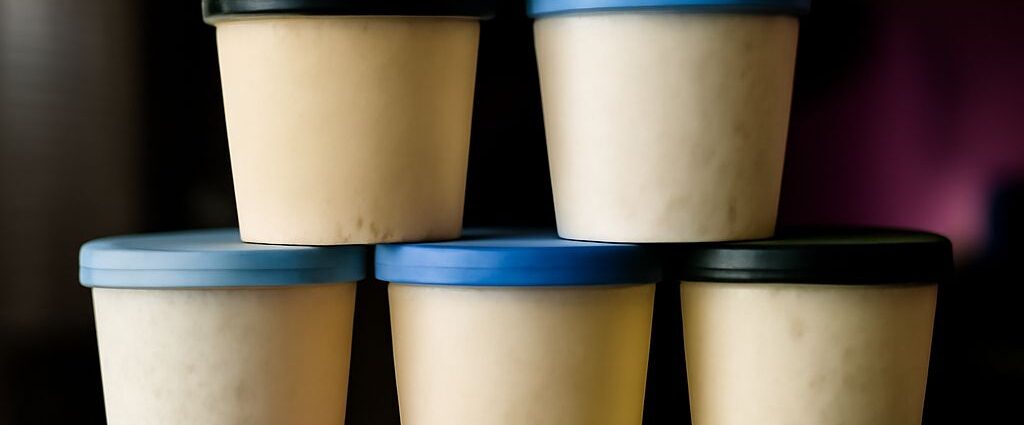
Dairy-free ice cream delivers the creamy, cold sweetness of traditional ice cream without milk, cream, or butter. It is built from plant-based milks and rich ingredients such as coconut cream, oat milk, cashew butter, or almond milk, often combined with unrefined sweeteners and stabilizers to mimic the texture of dairy. The result is a frozen dessert that works beautifully in scoops, sundaes, pies, and blended drinks, making it a go-to for anyone avoiding dairy or simply exploring plant-based options.
The Basics of Dairy-Free Ice Cream
Most dairy-free ice creams start with a high-fat base that gives body and smoothness. Coconut milk and coconut cream are popular because of their natural richness, while cashew and oat bases create a neutral canvas that takes on flavors cleanly. Almond and soy milks are lighter and often used in lower-fat versions. Manufacturers add vegetable oils, nut butters, or cocoa butter to replicate the mouthfeel of milk fat. Sweeteners range from cane sugar to agave, date syrup, or erythritol, depending on the product. Emulsifiers such as sunflower lecithin or guar gum prevent ice crystals and keep the mixture scoopable straight from the freezer. Understanding these building blocks helps you judge texture and quality without relying on dairy.
How to Use Dairy-Free Ice Cream in Everyday Desserts
This frozen staple steps into any role that traditional ice cream fills. Scoop it over warm fruit crumble, brownies, or a slice of pie for a classic à la mode. Layer it with dairy-free chocolate sauce, chopped nuts, and whipped coconut cream to build a sundae. Blend a couple of scoops with chilled oat milk and a spoonful of nut butter for a thick milkshake, or float a scoop in a glass of chilled espresso for an easy affogato. Sandwich it between two soft cookies and roll the edges in mini chocolate chips for a handheld treat that freezes well. You can also fold partially softened ice cream into a pre-baked tart shell and freeze it for an effortless semifreddo. Keep a small offset spatula or a hot ice cream scoop on hand to get clean, round scoops from firmer plant-based varieties.
Flavor Pairings and Toppings
Pairing flavors thoughtfully keeps desserts interesting. Vanilla or coconut bases welcome bright acidic companions like grilled pineapple, passion fruit curd, or a squeeze of lime. Chocolate and coffee varieties match beautifully with toasted hazelnuts, cinnamon-dusted churro pieces, or a ribbon of salted date caramel. Berry and stone fruit sorbet-style scoops contrast well with creamy pistachio or tahini swirls. For toppings, think shaved dark chocolate, toasted coconut flakes, crushed freeze-dried raspberries, or a sprinkle of flaky sea salt to cut sweetness. A simple berry compote or a spoonful of natural almond butter can turn a single scoop into a composed dessert.
Choosing and Storing Dairy-Free Ice Cream
Read ingredient lists to find a base and fat content that match your texture expectation. Coconut-based products are often the creamiest, while oat and cashew versions strike a middle ground. Be aware that some brands rely on a long list of stabilizers; short, recognizable ingredients usually signal a cleaner product. After opening, press a piece of parchment paper directly onto the surface of the ice cream to reduce freezer burn, reseal tightly, and store at 0°F (-18°C) or below. Plant-based ice creams can freeze harder than dairy versions, so let the container sit at room temperature for 5 to 10 minutes before scooping. If the texture becomes grainy over time, it is a sign of partial thawing and refreezing rather than spoilage.
Making Your Own Dairy-Free Ice Cream
A no-churn method using full-fat coconut milk and sweetened condensed coconut milk produces a reliably creamy base without special equipment. Here is a simple recipe to try at home.
Ingredients:
- 1 can (13.5 oz) full-fat coconut milk, chilled overnight
- 1 can (11.25 oz) sweetened condensed coconut milk
- 1 ½ teaspoons vanilla extract
- Pinch of fine sea salt
Steps:
- Scoop the solid coconut cream from the chilled can into a large bowl, leaving behind any clear liquid. Add the sweetened condensed coconut milk, vanilla, and salt.
- Whisk by hand or beat with an electric mixer for 2 to 3 minutes until the mixture is smooth, glossy, and slightly thickened.
- Pour the base into a standard loaf pan or a freezer-safe container. Press a piece of parchment paper directly onto the surface, then cover tightly with a lid or plastic wrap.
- Freeze for 1 hour, then stir the semi-frozen edges back into the center to break up ice crystals. Repeat this step once more after another hour.
- Freeze until firm, about 4 to 6 hours total. The ice cream should be set but give slightly when pressed with the back of a spoon.
- Before serving, let the container sit at room temperature for 10 to 15 minutes. Scoop and serve immediately.
Flavor variations: Fold in ⅓ cup of cocoa powder with the wet ingredients for chocolate, or swirl in a ribbon of warm peanut butter and dairy-free chocolate chips just before the final freeze. This base keeps well for up to two weeks when the surface stays covered with parchment.







Comments are closed, but trackbacks and pingbacks are open.