
Japanese curry is a staple comfort food defined by its velvety, gravy-like sauce and warm, aromatic spice blend—and it translates beautifully to a meatless kitchen. This version builds deep savory flavor from caramelized onions, earthy root vegetables, and a carefully balanced roux, delivering the same satisfying richness you expect without relying on meat stocks or animal fats. The recipe is naturally flexible, works as a one-pot meal, and comes together in about 45 minutes.
Why This Curry Works
The signature texture of Japanese curry comes from a cooked roux that thickens the sauce and carries the spice blend evenly. In a vegetarian version, the challenge is replacing the umami depth that meat-based stocks typically provide. The solution is a combination of slowly browned onions, which develop natural sweetness and complexity, plus a few pantry ingredients that amplify savoriness without overpowering the dish.
Japanese curry powder is milder and slightly sweeter than Indian blends, with warm notes of turmeric, coriander, cumin, and fenugreek, often rounded out with a touch of apple or honey. When you build the sauce with a proper roux and let it simmer gently, the vegetables soften and release their own flavors into the gravy. The result is a glossy, clingy sauce that coats every grain of rice.
This recipe is also practical. It uses widely available ingredients, requires no specialty equipment beyond a heavy-bottomed pot, and scales easily for meal prep. Leftovers taste even better the next day as the flavors continue to meld.
Ingredients and Simple Swaps
The ingredient list divides naturally into three groups: the vegetables, the aromatics and liquid, and the curry roux. Each group offers room for substitution based on what you have on hand.
Vegetables (about 6 cups total, cut into bite-sized pieces):
- 2 medium carrots, sliced into thick half-moons
- 2 medium waxy potatoes, such as Yukon Gold, cut into 1-inch chunks
- 1 medium onion, diced
- 1 cup frozen peas or shelled edamame
Swap potatoes for sweet potatoes or parsnips for a slightly sweeter, earthier profile. Cauliflower florets, kabocha squash, or turnips also work well. Add sliced mushrooms during the onion-browning step for extra umami. Bell peppers and zucchini are less traditional but can be stirred in during the last ten minutes of simmering to retain some texture.
Aromatics and liquid:
- 2 tablespoons neutral oil or vegan butter
- 3 cloves garlic, minced
- 1 teaspoon grated fresh ginger
- 4 cups vegetable stock, preferably low-sodium
- 1 tablespoon soy sauce or tamari
- 1 teaspoon tomato paste
- 1 small apple, grated, or 1 tablespoon apple butter (optional, for sweetness)
Curry roux (homemade or store-bought shortcut):
- 3 tablespoons unsalted butter or vegan butter
- 4 tablespoons all-purpose flour
- 2 tablespoons Japanese curry powder (such as S&B)
- 1 teaspoon garam masala (optional, for warmth)
- ½ teaspoon salt, plus more to taste
If you prefer a shortcut, use a store-bought curry roux block. Check the label carefully: many brands contain beef or chicken extracts, but some, including S&B Golden Curry in the mild or medium-hot varieties, offer vegetarian formulations. Glico also produces a vegetable-based roux in certain markets. Always verify the current packaging, as formulations change.
For a gluten-free version, replace the all-purpose flour with a 1:1 gluten-free flour blend and confirm that your curry powder and soy sauce are gluten-free. The sauce thickens slightly differently but still works.
How to Make Vegetarian Japanese Curry
The method follows a logical sequence: brown the aromatics, build the liquid base, prepare the roux separately, and combine everything for a final simmer. This approach prevents a raw flour taste and ensures the sauce thickens properly.
- Brown the onions. Heat the oil in a large heavy-bottomed pot or Dutch oven over medium heat. Add the diced onion and cook, stirring occasionally, for 8 to 10 minutes until deeply golden and starting to caramelize. This step is essential for building savory depth.
- Add garlic, ginger, and tomato paste. Stir in the minced garlic, grated ginger, and tomato paste. Cook for 1 minute until fragrant, scraping up any browned bits from the bottom of the pot.
- Add the root vegetables and stock. Add the carrots and potatoes, then pour in the vegetable stock and soy sauce. If using grated apple, add it now. Bring the liquid to a boil, then reduce the heat to a gentle simmer. Cover partially and cook for 15 to 20 minutes, until the potatoes and carrots are just tender when pierced with a fork.
- Make the roux while the vegetables simmer. In a small saucepan or skillet, melt the butter over medium-low heat. Whisk in the flour and cook, stirring constantly, for 3 to 4 minutes until the mixture turns a light golden brown and smells nutty. Do not walk away—the roux can burn quickly. Remove from heat and whisk in the curry powder and garam masala until smooth. The mixture will be thick and paste-like.
- Combine and thicken. Once the vegetables are tender, ladle about a cup of the hot cooking liquid into the roux and whisk until smooth. Pour this slurry back into the main pot, stirring gently to incorporate. Bring the curry back to a gentle simmer and cook for 10 to 12 minutes, stirring occasionally, until the sauce thickens to a gravy consistency and no raw flour taste remains.
- Finish and adjust. Stir in the frozen peas or edamame and cook for 2 more minutes. Taste and adjust seasoning with additional salt or a splash of soy sauce. The sauce should be glossy, smooth, and thick enough to coat the back of a spoon.
A common pitfall is undercooking the roux, which leaves a starchy aftertaste. Make sure the flour-butter mixture reaches a pale golden color before adding the spices. If the sauce becomes too thick after standing, thin it with a splash of warm vegetable stock or water when reheating.
Serving and Storage Tips
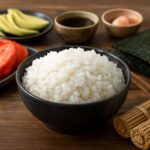
Serve the curry over short-grain Japanese rice or steamed jasmine rice. The slightly sticky texture of short-grain rice holds the sauce well. A side of quick-pickled vegetables—thinly sliced cucumber or daikon radish marinated in rice vinegar, sugar, and salt—cuts through the richness nicely.
For a complete meal, add a soft-boiled egg halved on top, or scatter sliced green onions and a sprinkle of toasted sesame seeds. A spoonful of plain yogurt or a drizzle of coconut milk adds creaminess without overwhelming the spice blend.
Store leftovers in an airtight container in the refrigerator for up to four days. The flavors deepen overnight, making this an excellent make-ahead meal. Reheat gently on the stovetop over low heat, adding a small amount of water or stock to loosen the sauce as needed. The curry also freezes well for up to one month; freeze in portion-sized containers and thaw overnight in the refrigerator before reheating. Note that potatoes can become slightly grainy after freezing and thawing—the flavor remains fine, but the texture changes. If you plan to freeze a batch, consider using sweet potatoes or parsnips, which hold their texture better, or slightly undercook the potatoes during the initial simmer.










Comments are closed, but trackbacks and pingbacks are open.