
Making vegetable roll sushi at home is straightforward and rewards you with fresh, crisp rolls that cost far less than takeout. The key is well-seasoned rice, a tight rolling technique, and a thoughtful mix of textures. This guide covers everything from the core ingredients to smart swaps, clear rolling steps, flavor variations, and how to serve or store your rolls safely.
Why Vegetable Sushi Rolls Work
Vegetable sushi rolls succeed on texture and balance. Without fish, the focus shifts to crunch, creaminess, and the savory depth of seasoned rice and nori. The rice provides a slightly sweet, tangy backbone, while fillings like cucumber, avocado, and carrot deliver freshness and bite. Nori sheets add umami and hold everything together. Because the ingredients are plant-based, the rolls are naturally vegan and light, yet satisfying enough for a main meal when paired with a simple side.
The technique is forgiving. Once you learn to spread rice evenly and roll with gentle, even pressure, you can adapt the fillings to whatever vegetables are in season or already in your refrigerator. The process also scales well for a group, making it a practical choice for a casual dinner or meal prep.
Essential Ingredients and Smart Swaps
A well-stocked pantry makes vegetable sushi accessible any night of the week. Here are the building blocks and easy substitutions.
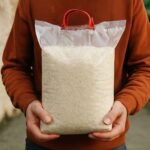
- Sushi rice: Short-grain Japanese rice is ideal because it cooks up sticky enough to hold a roll together. Medium-grain Calrose rice works as a substitute. Avoid long-grain rice, which lacks the necessary starch. For a whole-grain option, half brown short-grain rice and half white sushi rice gives a nutty flavor while keeping enough cling.
- Rice vinegar seasoning: A mixture of rice vinegar, a little sugar, and salt folded into warm rice creates the classic sushi flavor. Seasoned rice vinegar from the bottle is a convenient shortcut.
- Nori sheets: Look for toasted nori labeled for sushi. It should be dark green or black and snap crisply when folded. Store opened packs in a sealed bag with a desiccant packet to keep them dry.
- Core vegetables: Cucumber (seeded and cut into thin batons), avocado (ripe but firm), and carrot (julienned or shredded) form a reliable base. Bell pepper strips, blanched asparagus, steamed sweet potato, and radish sprouts all add color and texture.
- Creamy element: Avocado usually fills this role, but thin slices of ripe mango, a smear of vegan cream cheese, or a drizzle of toasted sesame paste mixed with a little mirin can provide richness.
- Seasonings and condiments: Soy sauce or tamari for dipping, wasabi, and pickled ginger are traditional. Toasted sesame seeds and a small bowl of shoyu mixed with a drop of toasted sesame oil make a simple dipping sauce.
How to Roll Vegetable Sushi Step by Step
A bamboo rolling mat helps achieve a tight, even cylinder, but a clean kitchen towel and a sheet of plastic wrap can work in a pinch. The following method yields one full-sized roll, which cuts into 6 to 8 pieces.
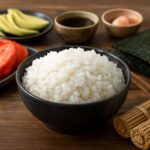
- Cook and season the rice: Rinse 1 cup of sushi rice in cold water until the water runs almost clear. Cook according to package directions, preferably in a rice cooker. While the rice is hot, gently fold in 2 tablespoons of seasoned rice vinegar mixed with 1 teaspoon of sugar and 1/2 teaspoon of salt. Spread the rice on a wide plate or a hangiri if you have one, fanning it to cool to room temperature. Do not refrigerate warm rice, or it will harden.
- Prepare the fillings: Cut all vegetables into long, thin strips roughly the length of a nori sheet. Aim for a mix of at least three textures, such as crunchy cucumber, creamy avocado, and crisp carrot. Have everything ready before you start assembling.
- Set up the rolling station: Place a bamboo mat on a cutting board with the slats running horizontally. Lay a sheet of nori shiny-side down on the mat. Keep a small bowl of water mixed with a splash of rice vinegar nearby for wetting your hands.
- Spread the rice: With damp fingers, take about 3/4 cup of seasoned rice and spread it evenly over the nori, leaving a 1-inch strip bare at the top edge. The rice layer should be thin enough that you can still see the nori through it. Press gently; do not mash.
- Add fillings: Lay the vegetable strips horizontally across the center of the rice, piling them in a neat line. Less is more here. Overfilling makes rolling difficult and causes the nori to split.
- Roll tightly: Lift the edge of the mat closest to you and fold it over the fillings, tucking the nori edge under the vegetables. Use your fingers to hold the fillings in place as you roll forward. Apply gentle, even pressure along the length of the roll as you go. When you reach the bare nori strip, moisten it lightly with water to seal the roll.
- Rest and slice: Let the roll sit seam-side down for a minute to seal. Use a sharp, slightly wet knife to slice the roll in half, then cut each half into 3 or 4 even pieces. Wipe the blade clean between cuts.
Flavor Variations to Try
Once you are comfortable with the basic roll, small tweaks create entirely different meals.
- Spicy roasted sweet potato roll: Toss sweet potato matchsticks with a little oil and chili powder, then roast until tender. Roll with avocado and cucumber, and finish with a drizzle of vegan sriracha mayo.
- Marinated tofu and shiitake roll: Pan-fry thin strips of pressed tofu and sliced shiitake mushrooms in soy sauce, mirin, and a pinch of sugar until glossy. Pair with scallions and sesame seeds.
- Inside-out roll: After spreading rice on the nori, flip the sheet over so the rice faces down on the mat. Add fillings to the bare nori side and roll. Coat the outside with toasted sesame seeds before slicing.
- Pickled vegetable roll: Use quick-pickled daikon, carrot, and cucumber for a bright, tangy roll that needs only a dab of wasabi.
Serving and Storage Tips
Serve vegetable sushi immediately for the best texture, while the nori is still crisp and the rice is at room temperature. Arrange the pieces on a platter with small dishes of soy sauce or tamari, wasabi, and pickled ginger. A side of warm miso soup or a simple cucumber sunomono salad turns the rolls into a complete meal.
If you have leftovers, place them in a single layer in an airtight container and refrigerate for up to 24 hours. Know that the rice will firm up and the nori will soften. To revive the rolls slightly, let them sit at room temperature for 10 minutes before eating. Do not freeze prepared rolls, as the vegetables will become watery and the rice grainy upon thawing. Uncut rolls wrapped tightly in plastic and refrigerated overnight hold up better than sliced pieces, so consider storing them whole and slicing just before serving.










Comments are closed, but trackbacks and pingbacks are open.