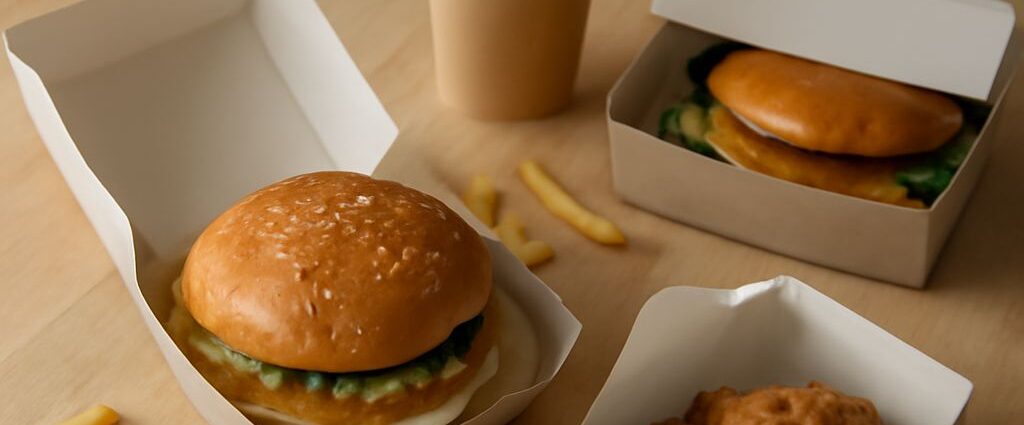
Vegetarian fast food options are easier to find than they used to be, but the best choices still depend on the menu and how the food is prepared. The most reliable picks are usually simple items that can be customized: fries, side salads, bean-based burritos, veggie burgers, egg-and-cheese breakfast sandwiches, and sandwiches built without meat.
If you want vegetarian fast food that actually works in a busy order line, focus on buildable meals, clear ingredient lists, and easy swaps. That approach helps at standard burger chains, sandwich shops, coffee counters, pizza places, and taco spots, where vegetarian and vegan essentials are often available with a few changes.
Quick Overview
The fastest way to get a satisfying vegetarian meal is to start with menu items that are already meat-free or can be made meat-free without much effort. In many cases, the best options are also the simplest.
- Fries and hash browns can be a reliable base, though preparation methods vary by location.
- Bean burritos and veggie tacos often work well at Mexican-style chains and quick-service counters.
- Veggie burgers may be vegetarian or vegan depending on the patty and bun.
- Grilled cheese, egg sandwiches, and cheese pizza are common vegetarian fast food staples.
- Salads and bowls become more filling when you add beans, eggs, cheese, avocado, or extra vegetables.
For vegan fast food, the same menu can still work, but the order needs more attention. Cheese, eggs, mayonnaise, butter, and creamy sauces are common changes to watch for. So are hidden animal-based ingredients in buns, tortillas, soups, and dressings.
Practical Uses
Vegetarian fast food is useful in everyday situations where convenience matters more than elaborate customization. The most common use is a quick lunch or dinner when you need something filling, available fast, and easy to order.
It also works well for group meals. Many chains make it possible for one person to order a meat-free sandwich or wrap while others choose standard menu items. That makes fast food restaurants easier to use when dietary preferences differ at the same table.
Another practical use is travel. Road trips, airports, and late-night stops often have limited options, so knowing a few dependable vegetarian menu patterns saves time. In those settings, a simple meal may be better than waiting for a specialty restaurant that is not nearby.
For people building vegetarian and vegan basics into everyday eating, fast food can serve as a fallback rather than a routine centerpiece. It is most helpful when you need convenience, not when you are trying to maximize freshness or ingredient control.
Reliable Menu Choices
The most dependable vegetarian fast food options usually fall into a few categories. Exact ingredients change by chain, but these menu types are common across many restaurants.
Burgers, sandwiches, and wraps
Many burger chains offer a veggie burger, black bean burger, grilled cheese, or a sandwich that can be ordered without meat. If the restaurant uses a standard bun, check whether it contains milk, butter, or eggs. For vegan orders, also confirm sauces and cheese substitutes.
Sandwich shops can be especially flexible. A sub or sandwich with cheese, vegetables, hummus, avocado, or egg is often easy to customize. Wraps with beans, roasted vegetables, or breakfast fillings can also fit vegetarian and vegan preferences with a few adjustments.
Breakfast items
Breakfast menus often provide some of the easiest vegetarian choices. Egg and cheese sandwiches, breakfast burritos without meat, pancakes, oatmeal, fruit, and hash browns are common examples.
For vegan options, look for oatmeal made without dairy, hash browns cooked without shared animal fat, and breakfast sides such as fruit cups, toast, or avocado where available. Because breakfast menus vary widely, it helps to check the ingredient list before ordering.
Mexican-style fast food
Bean burritos, bean-and-cheese burritos, veggie tacos, rice bowls, and nachos without meat are often strong choices. Black beans, pinto beans, rice, lettuce, salsa, guacamole, and grilled vegetables can make a meal more substantial.
These menus are also useful for vegan ordering when cheese and sour cream are left off. Still, it is smart to ask whether the beans contain lard or whether any sauces include dairy.
Pizza and Italian-style counters
Cheese pizza, vegetable pizza, garlic bread, and plain pasta can be easy vegetarian fast food choices. Add peppers, mushrooms, onions, olives, tomatoes, or spinach when available.
For vegan diners, the key questions are the crust, cheese, and any brushed butter or parmesan topping. Many places can make a simpler pizza with vegetables and no cheese if requested clearly.
Sides and small meals
When main dishes are limited, sides can still create a workable meal. Fries, onion rings, side salads, fruit cups, applesauce, soup of the day, or cup-sized chili may fit vegetarian needs depending on the recipe and preparation.
A side-based order is not always ideal, but it can be practical when the menu is thin. Adding a drink, extra vegetables, or a second side often makes the meal more complete.
How to Order
The best results come from simple, direct ordering. Start with the item, then remove the parts that do not fit your preference. Clear instructions usually work better than long explanations.
- Choose a flexible base. Pick a sandwich, burrito, salad, pizza, or breakfast item that can be modified.
- Check the hidden ingredients. Ask about buns, tortillas, sauces, dressings, soups, and cooking fats.
- Request the swap early. Say “no meat,” “no cheese,” or “make it vegan” before adding extra changes.
- Add substance. Use beans, eggs, cheese, avocado, tofu where available, or extra vegetables to avoid a thin meal.
- Confirm the final build. Repeat the order if needed so the kitchen knows exactly what to assemble.
One useful habit is to separate vegetarian and vegan expectations. A vegetarian order may be fine with cheese, eggs, or dairy sauces. A vegan order needs more checks, especially for bread, spreads, and preparation methods. That distinction matters in fast food because menu labels are often broad.
If you have strict preferences, ask about cross-contact only as far as the restaurant can answer clearly. Shared grills, fryers, and prep surfaces can affect how a dish is handled, but practices vary by location. When that matters, choose items with simpler preparation.
Tips and Related Ideas
Vegetarian fast food works best when you keep a short list of dependable patterns. That list can include one breakfast item, one sandwich, one burrito, and one side-based fallback. With a few go-to choices, ordering becomes much easier.
It also helps to think in terms of ingredients rather than chain names. Beans, potatoes, vegetables, rice, eggs, cheese, bread, tortillas, and sauces are the building blocks of many vegetarian menu items. Once you know which combinations you like, you can use them across different restaurants.
- Look for customizable menus. Build-your-own options usually offer the most vegetarian flexibility.
- Use sauces carefully. Creamy dressings, ranch, mayo, and cheese sauces often change an order from vegetarian to non-vegetarian or vegan to non-vegan.
- Watch the sides. Fries and potatoes are useful, but ingredients and fryers can differ.
- Choose protein when possible. Beans, eggs, cheese, and meat substitutes can make a fast-food meal more filling.
- Keep a backup order. If the main item is unavailable, a salad, burrito bowl, or breakfast combination can usually replace it.
For readers exploring vegetarian and vegan essentials, fast food is less about perfection and more about workable choices. The goal is to identify menu items that are quick, filling, and easy to adapt. Once you know the common patterns, finding a vegetarian meal on the go becomes much simpler.








Comments are closed, but trackbacks and pingbacks are open.