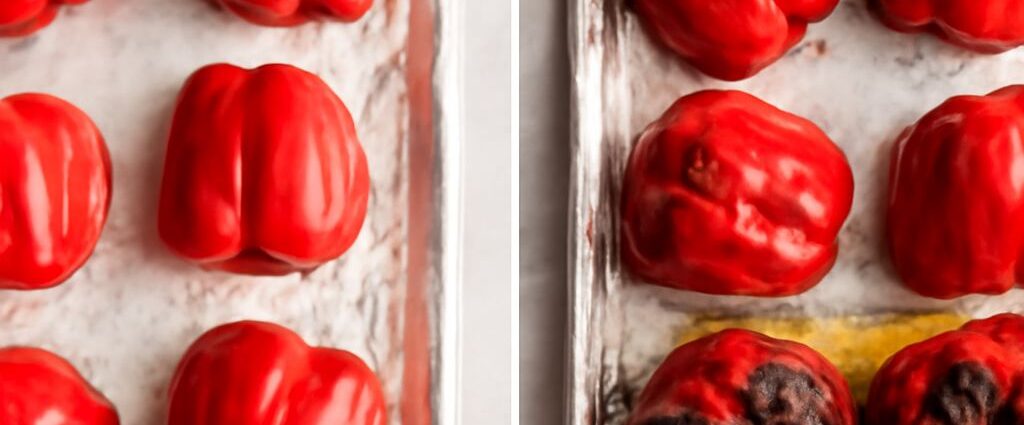
Roasted red peppers add depth, sweetness, and vibrant color to countless dishes. Whether you’re blending them into dips, tossing them into salads, or layering them on sandwiches, their smoky-sweet flavor elevates both simple weeknight meals and special occasion recipes. Making your own roasted red peppers at home is easier than many cooks assume—and often yields better flavor and texture than store-bought versions.
Understanding how to prepare and use roast red peppers unlocks a versatile ingredient that bridges cuisines and seasons. From classic Mediterranean spreads to modern grain bowls, roasted red bell peppers offer consistent results when handled correctly. This guide covers everything you need to know about selecting, roasting, storing, and using roasted red peppers, including a reliable roasted red peppers recipe you can adapt to your kitchen setup.
What to Know About Roasted Red Peppers
Roasted red peppers are simply red bell peppers that have been charred and steamed until their skins loosen, then peeled to reveal tender, flavorful flesh. The roasting process caramelizes natural sugars, deepening the pepper’s sweetness while adding a subtle smokiness. This transformation makes them far more complex than raw peppers, with a softer texture ideal for blending or layering.
While often used interchangeably, note that “roasted red peppers” typically refers to the prepared ingredient itself, whereas “roast red peppers” may describe the cooking method. Similarly, “roasted red bell peppers” specifies the pepper variety—bell peppers are the standard due to their thick walls and mild flavor. A solid roasted red peppers recipe begins with choosing ripe, firm peppers with deep red color and glossy skin.
These peppers are shelf-stable when preserved in oil or brine, but freshly made versions offer brighter flavor and no added preservatives. Whether you’re making a batch for immediate use or preserving extras, understanding their core traits ensures better results in every dish.
How to Make Roasted Red Peppers
Roasting red peppers can be done using three common kitchen methods: under a broiler, over a gas flame, or on a grill. Each delivers slightly different flavor notes but follows the same basic steps.
- Select and prep: Choose 2–4 large red bell peppers. Rinse, pat dry, and leave whole—no need to seed beforehand.
- Char the skin: Place peppers directly under a hot broiler (6 inches from heat), on a gas burner over medium flame, or on a preheated grill. Turn occasionally until the skin is evenly blackened and blistered (10–20 minutes depending on method).
- Steam and cool: Transfer charred peppers to a bowl, cover tightly with plastic wrap or a lid, and let steam for 15–20 minutes. This loosens the skin.
- Peel and seed: Once cool enough to handle, rub off the charred skin under cool running water. Slice open, remove seeds and stem, and pat dry if using immediately.
For longer storage, pack peeled peppers in a clean jar, cover with olive oil or a light vinegar brine, and refrigerate for up to two weeks. Always use clean utensils to avoid contamination.
This method yields authentic roasted red peppers with rich flavor. Whether you call them roast red peppers or roasted red bell peppers, the technique remains consistent across kitchens. A well-executed roasted red peppers recipe hinges on thorough charring and proper steaming—skip either, and peeling becomes difficult.
Best Uses and Flavor Variations
Once prepared, roasted red peppers shine in both cold and hot applications. Their natural sweetness pairs beautifully with tangy, creamy, or savory ingredients.
- Dips and spreads: Blend with garlic, olive oil, and lemon for romesco or muhammara.
- Sandwiches and wraps: Layer with cheese, greens, or grilled meats for added moisture and color.
- Pasta and grain dishes: Chop and stir into risotto, couscous, or pasta sauces.
- Soups and stews: Puree into tomato-based soups or add to vegetable stews for depth.
Flavor variations depend on how you finish them. For Mediterranean flair, add oregano, capers, or feta. For a North African twist, blend with cumin, smoked paprika, and walnuts. You can also marinate peeled roasted red peppers in garlic-infused oil with thyme or rosemary for enhanced aroma.
Don’t overlook texture: finely chopped roast red peppers work well in salsas, while strips of roasted red bell peppers are perfect for antipasti platters. A flexible roasted red peppers recipe adapts easily—just adjust seasoning and consistency based on your end dish.
Common Mistakes and Kitchen Checks
Even experienced cooks make avoidable errors when roasting peppers. Watch for these pitfalls:
- Under-charring: If the skin isn’t fully blistered, it won’t peel cleanly. Ensure even blackening on all sides.
- Skipping the steam step: Steaming softens the skin and makes peeling effortless. Don’t rush this.
- Using wet peppers: Excess moisture prevents proper charring. Always pat peppers dry before roasting.
- Overcrowding: Roast in batches if needed. Crowding lowers heat and causes steaming instead of charring.
Simple kitchen checks help ensure success. After peeling, the flesh should be tender but not mushy—press gently with a fork; it should yield slightly. Taste a small piece: it should be sweet with a hint of smoke, not bitter or raw. If storing in oil, ensure peppers are fully submerged to prevent mold.
Remember, homemade roasted red peppers should never taste acrid or overly acidic unless intentionally marinated. When in doubt, compare your batch to store-bought roast red peppers for texture reference—but expect superior freshness from your own. Consistent results come from attention to charring, steaming, and handling of roasted red bell peppers. Always revisit your core roasted red peppers recipe if results vary.
Related Guides and Recipes
Roasted red peppers connect to many foundational cooking skills and ingredient guides. For those exploring vegetable preparation, our guide to how to roast vegetables evenly builds on these techniques. If you’re using roasted peppers in dips, see our classic hummus variations or vegetable-based spreads for pairing ideas.
Related branch articles include:
- How to Store Roasted Vegetables Safely – covers oil-packing, refrigeration, and shelf life
- Bell Pepper Varieties and Their Best Uses – explains why red works best for roasting
- Homemade Antipasti Platter Guide – features roasted red bell peppers as a staple component
This guide sits within the broader Ingredient Guides And Cooking Skills hub, which includes primers on garlic prep, herb storage, and pantry staples. If you’re new to preserving, start with our basic vegetable preservation methods before advancing to oil-packed preparations.
Whether you’re following a specific roasted red peppers recipe or improvising, these connections help you build confidence across techniques. Use this article as a launchpad into deeper skill development—each related guide reinforces core principles of flavor, texture, and kitchen efficiency.
Safety recap: Always use oven mitts when handling hot pans or peppers fresh from the broiler or grill. When preserving in oil, ensure jars and utensils are sterilized and peppers remain fully submerged to prevent bacterial growth.






Comments are closed, but trackbacks and pingbacks are open.