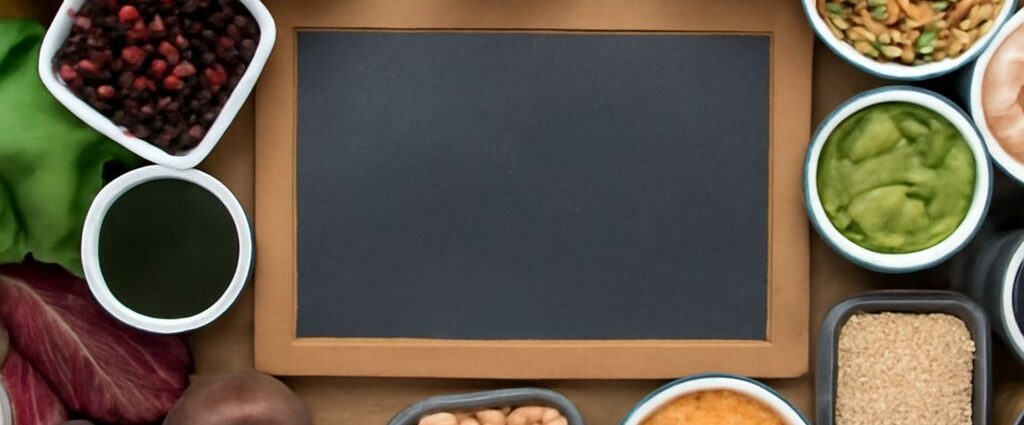
Meeting daily iron needs on a plant-based diet is both achievable and practical when you know which foods deliver reliable vegan sources of iron. Unlike heme iron from animal products, plant-based iron (non-heme) requires a bit more attention to food pairings and preparation—but it’s abundant in many everyday staples. Whether you’re new to vegan eating or refining your current approach, understanding how to work with plant-based iron sources empowers consistent nutrition without supplementation in most cases. This guide focuses on real-food strategies, highlighting high iron vegan foods you can easily find, use, and enjoy. From pantry staples like lentils to leafy greens and fortified grains, these vegan iron sources form the backbone of balanced plant-forward meals. By learning how to combine and prepare them thoughtfully, you’ll support your body’s ability to absorb this essential mineral effectively—making non-heme iron absorption a manageable part of daily eating.
This article serves as a focused branch within Vegetarian And Vegan Essentials > diet-and-cautious-food-literacy, offering practical context around iron without drifting into medical or clinical territory. Below, you’ll find clear guidance on food choices, usage tips, and answers to frequent concerns—all grounded in food literacy rather than therapeutic claims.
Understanding Iron in a Vegan Diet
Iron is a mineral vital for oxygen transport and cellular function. In plant-based eating, all iron comes from non-heme sources, which are naturally present in legumes, grains, nuts, seeds, and vegetables. While non-heme iron absorption is generally lower than heme iron from meat, this difference can be offset through smart dietary practices. The key isn’t just consuming vegan sources of iron—it’s pairing them with enhancers like vitamin C and avoiding inhibitors like tannins during meals.
Many whole plant foods contain moderate to high levels of iron. For example, cooked lentils offer about 6.6 mg per cup, while tofu and tempeh provide 3–4 mg per serving. Fortified cereals and plant milks can also contribute significantly, especially when labeled as enriched. Understanding that plant-based iron sources are widely available helps dispel the myth that vegan diets are inherently low in this nutrient. Still, consistent inclusion of varied high iron vegan foods remains essential for meeting daily requirements over time.
It’s worth noting that the body regulates non-heme iron more tightly than heme iron, which may offer a protective advantage against excess accumulation. This natural regulation underscores why food-first approaches—centered on diverse vegan iron sources—are both safe and sustainable for most individuals following plant-based patterns.
Top High Iron Vegan Foods and How to Use Them
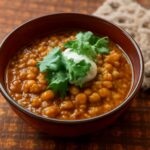
Certain plant foods stand out for their iron density and culinary versatility. Lentils, chickpeas, black beans, and other legumes are not only rich in iron but also high in protein and fiber. Incorporate them into soups, stews, grain bowls, or blended into dips like hummus. Tofu and tempeh absorb flavors well and work in stir-fries, scrambles, or grilled dishes—making them flexible vegan sources of iron for any meal.
Seeds like pumpkin, sesame (including tahini), and hemp seeds pack a concentrated iron punch. Sprinkle them on salads, blend into smoothies, or use tahini as a base for sauces. Dark leafy greens such as spinach, Swiss chard, and kale also contribute meaningful iron, especially when cooked to reduce volume and increase portion density. Pair these greens with citrus or bell peppers to boost uptake.
Whole grains like quinoa, amaranth, and fortified oats are additional reliable options. Quinoa, in particular, is a complete protein and delivers about 2.8 mg of iron per cooked cup. Use it as a base for grain salads or breakfast porridge. Fortified breakfast cereals—check labels for iron content—can offer 10–18 mg per serving, making them a convenient morning option among high iron vegan foods.
When building meals, aim for variety: rotate legumes, seeds, greens, and grains throughout the week. This diversity not only supports iron intake but also ensures a broader spectrum of nutrients. Remember, consistent inclusion of these plant-based iron sources matters more than any single “superfood.”
Maximizing Absorption from Vegan Iron Sources
Because non-heme iron absorption is influenced by other dietary components, timing and pairing matter. Vitamin C dramatically enhances iron uptake—so include foods like oranges, strawberries, broccoli, tomatoes, or red bell peppers in the same meal as your iron-rich plant foods. For instance, add lemon juice to a lentil salad or serve black bean tacos with salsa.
Conversely, certain compounds can inhibit absorption. Tannins in tea and coffee, calcium from fortified plant milks or supplements, and phytates in whole grains and legumes (though less impactful with regular consumption) may reduce iron availability if consumed simultaneously. To minimize interference, avoid drinking tea or coffee 30–60 minutes before or after iron-rich meals. Soaking, sprouting, or fermenting grains and legumes can also reduce phytate levels, slightly improving iron bioavailability.
Practical meal examples help illustrate these principles: a tofu scramble with spinach and tomatoes leverages both iron and vitamin C; a quinoa bowl with chickpeas, roasted bell peppers, and pumpkin seeds combines multiple vegan iron sources with enhancers. Over time, these habits become intuitive, turning plant-based iron sources into reliable daily staples without extra effort.
Common Questions About Iron for Vegans
Do vegans need more iron? The recommended dietary allowance (RDA) for iron is 1.8 times higher for vegetarians and vegans due to lower absorption rates of non-heme iron. However, this doesn’t mean deficiency is inevitable—it simply emphasizes the importance of consistent, varied intake from high iron vegan foods.
Can plant-based diets provide enough iron? Yes. Numerous studies show that well-planned vegan diets meet or exceed iron recommendations. The key is regular inclusion of legumes, fortified foods, seeds, and leafy greens—core vegan sources of iron—alongside vitamin C-rich companions.
Should I take an iron supplement? Supplementation isn’t routinely needed if your diet includes diverse iron-rich plants and absorption enhancers. Blood tests are the only reliable way to assess status; self-supplementing without guidance can lead to excess. Focus first on food-based strategies using reliable plant-based iron sources.
Are spinach and kale good iron sources? They contain iron, but also oxalates that slightly limit absorption. Still, when paired with vitamin C—as in a kale salad with lemon dressing—they contribute meaningfully to daily intake among other vegan iron sources.
Related Guides and Recipes to Explore
For deeper exploration within Vegetarian And Vegan Essentials, consider these connected resources. Our guide to Vegan Protein Sources complements this topic, as many high-protein plant foods also supply iron. The article on Vitamin C for Iron Absorption details specific pairings to maximize uptake from non-heme iron absorption strategies.
Recipe collections offer hands-on application: try our Lentil and Kale Stew (featuring two top vegan sources of iron), Quinoa Black Bean Bowl with Citrus Dressing, or Tahini Tofu Stir-Fry with Bell Peppers. Each combines iron-rich ingredients with vitamin C for optimal bioavailability.
These resources form a practical ecosystem within diet-and-cautious-food-literacy, helping you build meals that are both nourishing and aligned with plant-based principles—without overcomplicating daily eating.




Comments are closed, but trackbacks and pingbacks are open.