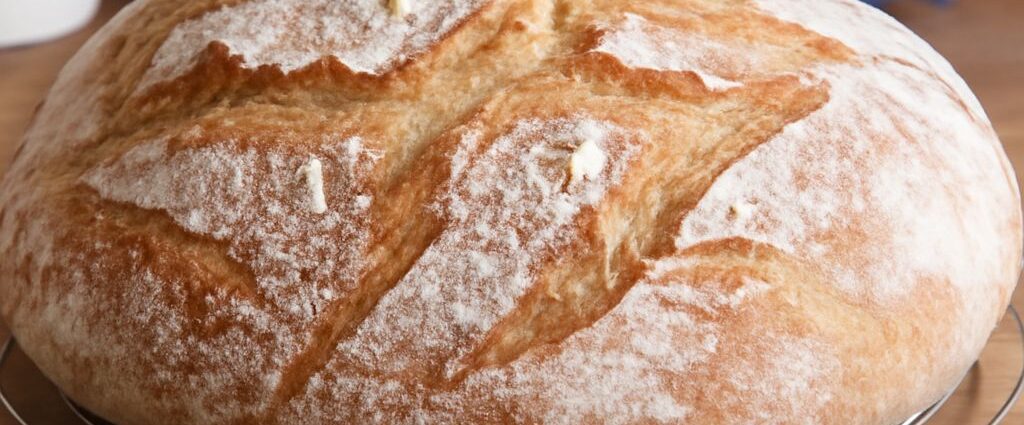
Potato bread is a soft, tender loaf that combines the comfort of traditional bread with the moisture and subtle sweetness of mashed potatoes. This potato bread recipe produces a pillowy crumb and golden crust that works equally well for sandwiches, toast, or simply sliced warm from the oven. Making homemade potato bread at home requires only basic pantry staples and a few hours of your time.
Whether you’re new to bread baking or refining your skills, this guide walks you through the homemade potato bread process with clear steps and practical tips. You’ll learn ingredient ratios, common mistakes to avoid, and how to adapt the basic formula to suit your preferences.
What To Know About Potato Bread Recipe
A traditional potato bread recipe uses mashed potatoes as a key ingredient alongside flour, water, yeast, salt, and fat. The potatoes serve multiple purposes: they add moisture that keeps the loaf tender for several days, they contribute a subtle earthy flavor, and they help the dough rise evenly.
The starch in potatoes also affects gluten development and hydration levels. This means your dough will feel slightly different from a standard bread dough—it may feel softer and stickier, which is normal. Understanding this texture helps you avoid over-flouring, a common mistake that produces dense, dry bread.
Homemade potato bread typically requires about three to four hours from start to finish, including rising and baking time. The result is a loaf with a tender crumb, subtle potato flavor, and excellent keeping quality.
Key Ingredients and Ratios
Here are the core components for a single loaf of homemade potato bread:
- 1 cup mashed potatoes (cooled to room temperature)
- 1.5 cups warm water
- 3 cups all-purpose flour
- 2 teaspoons salt
- 1.5 teaspoons instant yeast
- 2 tablespoons butter or vegetable oil
Use russet or Yukon Gold potatoes for the best results. Boil them until fork-tender, drain thoroughly, and mash them smooth. Lumps will create uneven texture in your finished loaf. Cool the mashed potatoes completely before mixing into the dough—warm potatoes can damage the yeast.
The ratio of potato to flour is roughly 1:3 by volume. This balance ensures the potatoes add moisture and flavor without overwhelming the structure. If you add too much potato, your dough becomes too wet and won’t hold shape during baking.
Step-by-Step Instructions for Homemade Potato Bread
Mix the dough: Combine mashed potatoes, warm water, and yeast in a large bowl. Let this mixture rest for 5 minutes to activate the yeast. Add flour, salt, and butter. Mix until a shaggy dough forms.
Knead: Transfer the dough to a clean surface and knead for 8–10 minutes by hand, or use a stand mixer on medium speed for 6–7 minutes. The dough should feel soft, slightly tacky, and smooth. It will be wetter than a typical bread dough.
First rise: Place the dough in a lightly oiled bowl, cover with a damp cloth, and let it rise at room temperature for 1.5 hours until doubled in size.
Shape: Turn the dough onto a lightly floured surface. Shape it into a round or oval loaf, then place it in a greased loaf pan or on a baking sheet.
Second rise: Cover the shaped dough and let it rise for 45–60 minutes until puffy and nearly doubled.
Bake: Preheat your oven to 400°F. Score the top of the loaf with a sharp knife if desired. Bake for 30–35 minutes until golden brown and the internal temperature reaches 205°F.
Cool: Remove the loaf from the pan and cool on a wire rack for at least 30 minutes before slicing.
Best Uses and Variations
Sliced homemade potato bread makes excellent sandwich bread, toast, and breakfast fare. Its tender crumb and slight sweetness pair well with both savory and sweet toppings.
Try these variations on the basic potato bread recipe: add 1 tablespoon of honey for extra softness, mix in fresh herbs like rosemary or thyme, or substitute half the all-purpose flour with whole wheat flour for nuttier flavor and added nutrition.
Common Questions
Can I use instant potatoes? Yes, but rehydrate them with warm water first and allow them to cool before adding to the dough.
Why is my dough too sticky? Potatoes vary in water content. If your dough feels overly wet, add flour 1 tablespoon at a time during kneading.
How long does homemade potato bread keep? Wrapped tightly at room temperature, it stays fresh for 3–4 days. Freeze for up to 3 months.
Related Guides and Recipes
Explore more ingredient guides and cooking skills to expand your bread-baking knowledge. Learn about flour types, yeast activation, and dough hydration to master other bread recipes and techniques.










Comments are closed, but trackbacks and pingbacks are open.