Choosing between corn flour and cornmeal becomes easier when you understand grind, texture, and regional naming. This practical guide to corn flour vs cornmeal explains how each ingredient behaves in batters, breads, coatings, and thickened dishes.
It also answers is corn flour the same as corn meal? while comparing cornmeal vs flour in everyday cooking. Use the quick references to corn flour uses and cornmeal uses to choose the right texture, then continue through the wider Ingredient Guides and Cooking Skills hub for related ingredient and technique articles.
What To Know About Corn Flour Vs Cornmeal
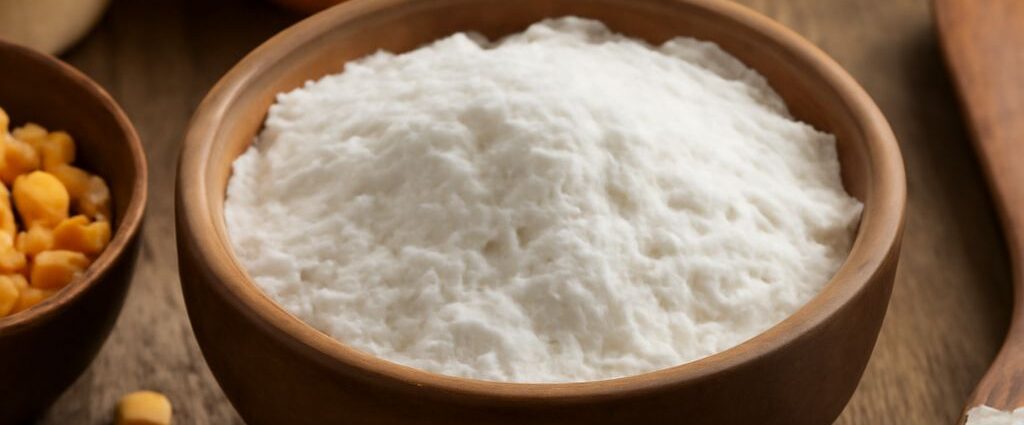
The main difference is particle size. Corn flour is milled very finely, producing a soft powder that blends smoothly into mixtures. Cornmeal is ground more coarsely, so it contributes visible grains, a more pronounced corn texture, and sometimes a pleasant crunch.
Both products come from dried maize, but they are not automatically interchangeable. The exact result depends on the grind, whether the corn is yellow or white, and whether it has been treated with lime. Recipes may also use regional names differently, so the label deserves careful attention.
- Fine corn flour: A powdery ingredient suited to smooth batters, dusting, and thickening.
- Fine cornmeal: A slightly grainy meal useful for cornbread, muffins, and delicate coatings.
- Medium cornmeal: A versatile choice for rustic breads, polenta-style dishes, and fried foods.
- Coarse cornmeal: A strongly textured meal that adds crunch and a hearty bite.
- Masa harina: A lime-treated corn flour with a distinctive flavor, intended for tortillas, tamales, and related doughs.
One naming trap is especially important. In the United Kingdom and some other regions, “cornflour” often means cornstarch, a pure starch used to thicken sauces. In North American recipes, “corn flour” usually means finely ground whole corn. Those ingredients have very different functions and cannot be swapped casually.
For broader guidance, move upward to the Ingredient Guides and Cooking Skills primary hub. From there, readers can find branches covering flour types, starches, grains, baking ingredients, and basic cooking methods.
How Grind Changes Texture And Flavor
Grinding changes more than appearance. Finely milled corn disperses quickly and gives batters a more even crumb. Coarser meal remains distinct during mixing and baking, creating a firmer, more rustic texture.
Flavor also varies. Both ingredients can taste mildly sweet, earthy, and distinctly corny, but whole-grain versions usually have a fuller aroma. Freshness matters because ground corn gradually loses its best flavor and can develop stale or bitter notes when stored poorly.
Yellow corn generally offers a deeper color and slightly stronger grain character. White corn can taste more delicate and produce paler baked goods. Neither is universally better; the choice depends on the recipe and the appearance you want.
A fine grind is useful when the corn flavor should support, rather than dominate, the dish. It disappears more easily into pancakes, quick breads, and sauces. A coarse grind is better when the ingredient should remain noticeable, as in a crisp coating or textured porridge.
Stone-ground products may contain a varied mixture of particle sizes. That can create excellent flavor and character, but it may also absorb liquid less predictably than a standardized commercial meal. If a recipe specifies a grind, follow it when possible.
The practical distinction in corn flour vs cornmeal is therefore a texture decision. Ask whether you want a smooth, cohesive result or visible grains with more bite. That question is often more useful than relying on the product name alone.
Best Uses And Substitution Caveats
Common corn flour uses include adding corn flavor to cakes, pancakes, biscuits, tortillas made from suitable flour, and gluten-free baking blends. It can also lightly dust a work surface or pan, although a very fine powder may not provide the same crisp texture as meal.
Typical cornmeal uses include cornbread, muffins, hush puppies, fish coatings, pizza-pan dusting, and rustic cakes. It is also a familiar base for polenta-style dishes, although recipes labeled polenta often specify a particular grind and cooking time.
When a recipe calls for fine cornmeal, finely milled corn flour may work if a smoother crumb is acceptable. The finished food may be less textured and may absorb liquid differently. Conversely, replacing corn flour with coarse meal creates a rougher mixture and can make delicate batters feel gritty.
Substitution is safest in recipes where corn is a supporting ingredient. In a quick bread, replacing part of the meal with a fine grind may be reasonable. In a tortilla, tamale, or dish built around a specific corn dough, use the named product because treatment and hydration are central to the result.
The phrase cornmeal vs flour can be confusing because “flour” might mean wheat flour, corn flour, or cornstarch. Wheat flour contributes gluten-forming proteins. Corn flour does not behave in the same way, so a direct one-for-one swap can change structure, rise, and tenderness.
For thickening, finely ground whole-corn flour can add flavor and opacity, but it will not act exactly like cornstarch. It may require cooking to lose a raw taste and can produce a more substantial texture. Add it gradually, whisk thoroughly, and allow time for hydration.
In coatings, fine corn flour gives a thin, even layer. Medium or coarse meal provides more crunch. Moisture, oil temperature, and resting time also affect adhesion, so changing the grind may require small adjustments to the method rather than only the quantity.
For reliable results, check three details before substituting:
- Identify whether the recipe means whole-corn flour, cornmeal, masa harina, or cornstarch.
- Match the closest grind available, especially for doughs and crisp coatings.
- Expect changes in liquid absorption, cooking time, color, and final texture.
Common Questions About Cornmeal And Corn Flour
Is is corn flour the same as corn meal? a useful question? Yes. In most North American cooking contexts, they are related but differ mainly in grind. However, regional labels can change the meaning, and masa harina is a separate lime-treated product.
Can corn flour replace cornmeal? Sometimes. It can replace fine meal when a smoother texture is acceptable, particularly in cakes, pancakes, or tender quick breads. It is less suitable when the recipe depends on visible grains or a crunchy coating.
Can cornmeal replace corn flour? Fine meal may work in a rustic batter, but medium or coarse meal can make the result gritty. It also may need additional soaking time. Avoid assuming that a larger grind will hydrate at the same rate.
Does corn flour contain gluten? Pure corn flour is naturally gluten-free, but cross-contact can occur during milling and packaging. Anyone avoiding gluten for a diagnosed reason should check the label and choose products made under appropriate controls.
What is the difference between masa harina and corn flour? Masa harina is made from corn treated with an alkaline solution, then dried and milled. Its aroma, flavor, and dough-forming behavior suit tortillas and tamales. Ordinary corn flour is not a guaranteed substitute.
How should these ingredients be stored? Keep them sealed in a cool, dry cupboard for short-term storage. For longer storage, refrigeration or freezing can help preserve freshness, especially for stone-ground or whole-grain products. Bring a chilled ingredient to room temperature before mixing if the recipe depends on predictable hydration.
Is is corn flour the same as corn meal? in every country? No. Always read the ingredient description, not just the front label. “Cornflour” may mean cornstarch, while “maize meal,” “polenta,” and “masa harina” each indicate different products or processing methods.
How do cornmeal vs flour substitutions affect baking? A fine powder usually produces a tighter, smoother crumb, while meal creates more texture and may need extra liquid. If the recipe contains wheat flour, replacing all of it with a corn product can also reduce elasticity and structural strength.
Related Guides And Recipes
The best corn flour uses are easier to understand alongside guides covering baking ratios, gluten-free flour blends, and how different starches thicken sauces. These articles form the practical next step from this comparison.
For readers exploring cornmeal uses, useful side branches include cornbread recipes, polenta and grits comparisons, fish and vegetable coating techniques, and guides to choosing fine, medium, or coarse meal.
- Ingredient comparison guides: Explore corn flour, masa harina, cornstarch, polenta, grits, and wheat flour.
- Cooking skills guides: Learn how to measure by weight, hydrate grains, adjust batter consistency, and prevent gritty textures.
- Baking recipes: Try cornbread, corn muffins, skillet breads, savory cakes, and crisp baked coatings.
- Traditional corn recipes: Continue to tortillas, tamales, arepas, spoonbreads, and porridge-style dishes.
The key lesson from corn flour vs cornmeal is simple: choose by grind, processing, and intended texture. Once those details are clear, substitutions become more predictable, labels are easier to interpret, and the wider ingredient-guides-and-cooking-skills branch becomes easier to navigate.






Comments are closed, but trackbacks and pingbacks are open.