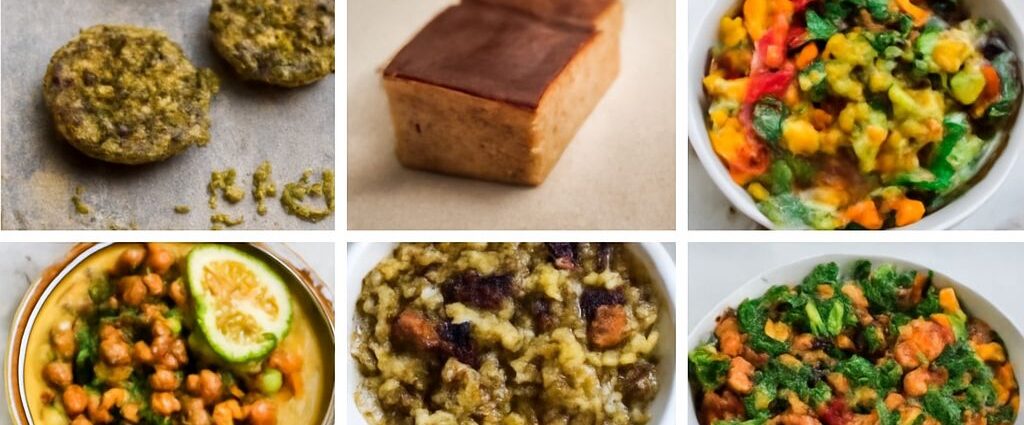
Within Vegetarian And Vegan Essentials, this branch helps readers make sense of gluten free vegan eating without turning it into a jargon puzzle. It sits under diet-and-cautious-food-literacy, so the focus is practical: how the pattern is used, what it includes, and where it connects to related guides.
If you are mapping vegan and gluten free meals for everyday use, it helps to know the basics before choosing recipes. This page points toward gluten free vegan recipes, shows where a vegan gluten free approach fits, and links you to easy vegan gluten free recipes plus nearby branch articles in the main hub.
What To Know About Gluten Free Vegan
gluten free vegan describes food that avoids animal products and also leaves out gluten-containing grains such as wheat, barley, and rye. In practice, that means a meal built from vegetables, beans, lentils, fruit, nuts, seeds, rice, corn, quinoa, potatoes, and other naturally plant-based staples. It is a food pattern, not a single cuisine, so the exact ingredients can change by region and recipe style.
For readers browsing Vegetarian And Vegan Essentials, the key idea is simple: this branch sits at the intersection of plant-based cooking and gluten-aware food choices. Some recipes are naturally compatible, while others need swaps for bread, pasta, sauces, or coatings. A pantry based on rice noodles, tamari-style seasonings, chickpea flour, or corn tortillas often makes the shift easier.
gluten free vegan recipes may appear in many forms, from weeknight bowls to baked goods. The structure matters more than a label alone. A tomato sauce with pasta is not suitable unless the pasta is also gluten free, and a plant-based stew may need careful thickening if flour is used. That is why this topic belongs in cautious food literacy: it helps readers read recipes attentively and compare ingredient lists with confidence.
There are also common overlaps with broader vegan cooking. A dish may be fully plant-based but still use wheat-based soy sauce, seitan, couscous, or regular breadcrumbs. On the other hand, many naturally simple dishes already fit the pattern, including roasted vegetables, bean soups, grain bowls, salads, and fruit-based desserts. The best starting point is usually familiar foods with a few ingredient checks.
Best Uses And Variations
vegan and gluten free eating is often most useful when someone wants a clear framework for meal planning, not a rigid rulebook. It works well for home cooking, packed lunches, shared meals, and recipe searches where the ingredient list needs to stay simple. It also gives structure to readers comparing plant-based dishes across different sites or cookbooks.
There are several practical variations. Some recipes are naturally aligned, meaning they need little adjustment. Others are adapted, using substitutions such as gluten free flour blends, oats labeled gluten free, or tamari in place of standard soy sauce. A third group is hybrid, where the base recipe is plant-based but requires a few careful changes to fit the full pattern. These distinctions are useful when scanning a recipe index or choosing between related guides.
In the gluten free vegan space, the most common uses tend to cluster around everyday cooking. Think breakfast bowls with fruit and seeds, soups built on legumes and vegetables, rice-based mains, and simple baked snacks. Each of these can be made in many styles, from casual to more structured, without leaving the branch. This is also where readers often look for easy vegan gluten free recipes that rely on pantry ingredients and short method steps.
Many readers also search for gluten free vegan recipes by format rather than by ingredient. That is useful because the same branch can support savory mains, side dishes, sauces, breads, and sweets. Within the broader hub, side-by-side articles might cover grain swaps, flour alternatives, or how to read labels for hidden gluten in plant-based condiments. That gives the category a practical map instead of a single definition.
Below are common article types this branch connects to in the larger hub:
- Recipe collections for breakfasts, lunches, dinners, and snacks
- Ingredient guides for grains, flours, and plant-based pantry staples
- Method guides for baking, thickening, and sauce making
- Shopping and label-reading guides for packaged vegan foods
- Comparison pieces for common substitutions and recipe variations
Used well, vegan gluten free cooking is less about restriction and more about selection. That makes it a useful branch for readers who want dependable meal ideas and a clear route into related recipes.
Common Questions
Is gluten free vegan the same as “plant-based”? Not exactly. Plant-based usually means food comes from plants, while this branch adds a gluten-free requirement. A dish can be vegan and still contain gluten, so the two ideas overlap but do not automatically match.
Are gluten free vegan recipes always healthier than other vegan recipes? No broad claim is needed, and the label alone does not tell you enough. The more useful question is whether the ingredients fit the meal you want. A recipe may be simple, rich, or dessert-like, depending on how it is built.
Another common question is whether vegan and gluten free meals are difficult to cook. Often they are not, especially when the recipe uses whole ingredients and familiar pantry items. The main skill is ingredient checking: watching for wheat in sauces, crumbs, noodles, or spice blends, and checking that packaged items match the plan.
Readers also ask what kinds of dishes belong here. The answer is broad. Curries, bean chili, rice salads, stuffed peppers, vegetable soups, muffins, pancakes, and no-bake treats can all fit if the ingredients are chosen carefully. That variety is part of why this branch is useful inside Vegetarian And Vegan Essentials: it helps readers move from definition to actual meal choices.
Finally, some readers want a shortcut to easy vegan gluten free recipes. A good shortcut is to start with naturally compatible foods and add one new element at a time. For example, use rice instead of wheat pasta, or choose a corn tortilla instead of a flour wrap. That approach keeps the learning curve manageable and makes the category easier to navigate.
Related Guides And Recipes
This branch works best when paired with nearby hub articles. For a broader overview, return to the primary hub in Vegetarian And Vegan Essentials and use it as the starting point for diet-and-cautious-food-literacy. From there, readers can move outward into recipe collections and ingredient explainers that support their meal planning.
Sideways links are especially useful here. A related guide might explain gluten-free pantry staples, while another covers vegan substitutions for baking or sauces. Recipe articles can then take those basics and show them in action. That is why gluten free vegan should be treated as a branch hub: it organizes the topic and directs readers to the next useful page.
Suggested related article types include:
- Primary hub overview for Vegetarian And Vegan Essentials
- Ingredient guide to vegan gluten-free pantry staples
- Recipe guide for simple weeknight bowls and soups
- Recipe collection for baked goods and breakfast ideas
- How-to guide for reading labels on packaged vegan foods
If you want a practical next step, browse the recipe pages that match your meal type first. Then check the ingredient guide for substitutions and the label-reading guide for packaged items. That route keeps gluten free vegan cooking grounded, readable, and easy to extend into new dishes.


Comments are closed, but trackbacks and pingbacks are open.