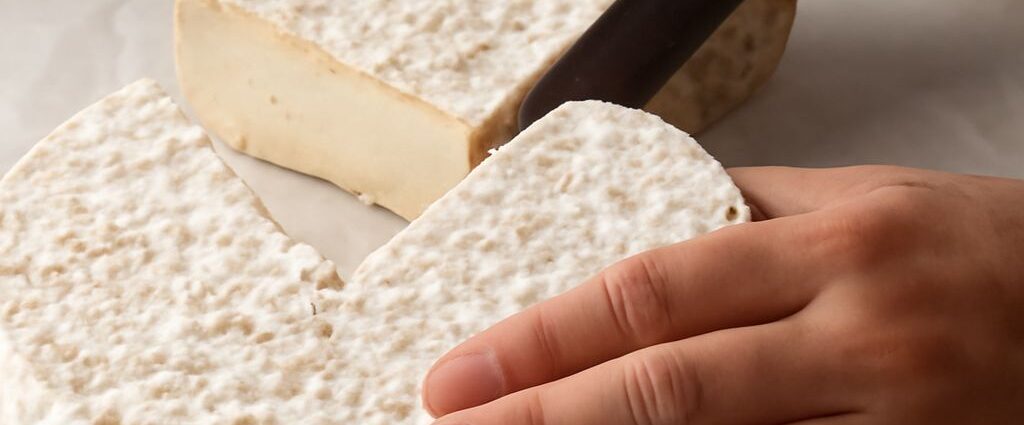
Finding the best vegan cheese can transform plant-based cooking from a compromise to a celebration. Whether you’re craving a gooey grilled cheese, a sharp cheddar for mac and cheese, or a creamy brie for charcuterie, today’s non-dairy cheese options deliver flavor and function without dairy. The key lies in knowing which varieties excel for melting, slicing, or spreading—and how to pair them with your favorite dishes.
This guide cuts through the noise to highlight the top dairy-free cheese alternatives, from artisanal nut-based wheels to everyday vegan cheese brands that melt like the real thing. We’ll cover the essentials: what to look for in texture and taste, the best uses for each type, and how to swap them seamlessly into recipes. For deeper dives, explore our related guides on dairy-free swaps and plant-based cooking basics.
What Makes the Best Vegan Cheese Stand Out?
Not all vegan cheese alternatives are created equal. The best options balance three core qualities: texture, flavor, and functionality. A great non-dairy cheese should mimic the mouthfeel of dairy—whether that’s the stretch of mozzarella, the crumble of feta, or the sliceability of cheddar—while delivering satisfying taste. Ingredients play a huge role: cashews and coconut oil create creaminess, while tapioca starch and nutritional yeast add meltability and umami depth.
For dairy-free cheese that performs in recipes, prioritize these traits:
- Meltability: Look for brands with tapioca or arrowroot starch (e.g., Miyoko’s or Violife) for that classic pull-apart stretch in pizzas or quesadillas.
- Fermentation: Aged nut-based cheeses (like Treeline or Punk Rawk Labs) develop complex, tangy flavors akin to traditional dairy.
- Neutral base: Soy- or coconut-based vegan cheese brands (such as Follow Your Heart) work well in neutral applications like sauces or sandwiches.
- Allergen notes: Check labels for common allergens like nuts, soy, or gluten if avoiding them.
Texture often divides vegan cheese alternatives into two camps: spreadable (ideal for dips or toast toppings) and firm (better for grating or slicing). For example, a soft almond-based brie won’t hold up on a burger, but it’s perfect for a cracker board. Meanwhile, a block of vegan cheddar from Field Roast shines when shredded over nachos. The right choice depends entirely on the dish.
Top Varieties of Vegan Cheese and How to Use Them
The best vegan cheese for your kitchen depends on the recipe. Here’s a breakdown of the most versatile types and their ideal uses:
1. Melty Shreds and Slices
Brands like Violife and Daiya excel in dishes where meltability matters. Their dairy-free cheese shreds work for:
- Pizzas (try Violife’s mozzarella for a golden, bubbly top).
- Grilled cheese sandwiches (Daiya’s cheddar slices hold together when toasted).
- Quesadillas or lasagna (mix with a bit of cornstarch for extra gooeyness).
Pro tip: Sprinkle shreds over hot dishes right before serving to prevent drying out.
2. Creamy Spreads and Soft Cheeses
For dips, sauces, or charcuterie, opt for cashew- or coconut-based spreads. Standouts include:
- Kite Hill’s almond milk ricotta (perfect for stuffed shells or dolloping on toast).
- Miyoko’s cultured vegan butter and cream cheese (ideal for bagels or frosting).
- Treeline’s herb-infused soft French-style cheese (pair with crackers and fruit).
These vegan cheese brands add richness to mashed potatoes or pasta sauces too.
3. Aged and Artisanal Wheels
For cheese-board worthy options, seek out fermented nut cheeses. Punk Rawk Labs and Nutpocalypse craft bold, aged varieties like:
- Smoked gouda (great for sandwiches or antipasto platters).
- Peppercorn-encrusted cashew cheese (slice thinly for elegant appetizers).
- Aged cheddar-style wedges (grate over baked potatoes or soups).
These non-dairy cheese options often require refrigeration and have shorter shelf lives but deliver unmatched depth.
4. Specialty Cheeses
Craving something specific? Try these niche picks:
- Vegan feta: Follow Your Heart’s crumbly version stars in Greek salads or spanakopita.
- Blue cheese alternative: Miyoko’s liquid mozzarella can be cultured into a tangy, veiny substitute.
- Parmesan substitute: Grate Parmela’s aged cashew parm over pasta or popcorn.
How to Choose the Right Non-Dairy Cheese for Your Recipe
Selecting the best vegan cheese starts with the dish. Ask these questions to narrow your options:
1. What’s the cooking method?
- Baking/melting: Choose starch-based vegan cheese alternatives (Violife, Daiya) for pizzas or casseroles.
- Raw applications: Nut-based cheeses (Miyoko’s, Treeline) shine in salads or charcuterie.
- Frying: Firm slices (Field Roast Chao) hold up in grilled cheese or paninis.
2. What flavor profile do you need?
- Mild and creamy: Soy- or coconut-based dairy-free cheese (Tofutti, Kite Hill) for mac and cheese.
- Sharp or aged: Cashew cheeses (Punk Rawk Labs) for a bold cheddar or gouda substitute.
- Tangy or briny: Vegan feta (Follow Your Heart) or blue cheese alternatives for salads.
3. Are there dietary restrictions?
- Soy-free: Opt for nut- or coconut-based vegan cheese brands like Miyoko’s or Treeline.
- Nut-free: Soy- or oat-based options (Violife, Daiya) are safer choices.
- Gluten-free: Most non-dairy cheese is naturally gluten-free, but check labels for additives.
4. What’s the texture goal?
- Stretchy: Tapioca-based shreds (Miyoko’s, Violife) for that classic cheese pull.
- Crumbly: Almond- or tofu-based feta for salads or fillings.
- Sliceable: Firm blocks (Field Roast, Follow Your Heart) for sandwiches or burgers.
When in doubt, test a small batch. Some vegan cheese alternatives behave differently under heat—what melts beautifully in a sauce might not brown on a pizza. For recipe-specific guidance, check our vegan cheese recipes hub.
Common Questions About Vegan Cheese, Answered
Does vegan cheese melt like dairy cheese?
Some non-dairy cheese melts impressively (e.g., Violife or Miyoko’s), while others soften without stretching. For best results, combine shreds with a splash of plant milk or a pinch of cornstarch to enhance meltability. Avoid overcooking, as many vegan cheese brands can turn oily or rubbery.
Why does vegan cheese taste different?
Dairy-free cheese relies on fermented nuts, coconut oil, or starches instead of casein (dairy protein). High-quality options use cultures and aging to develop complexity, but mass-market vegan cheese alternatives may taste milder or sweeter. For a sharper flavor, seek out aged nut cheeses or add a dash of miso paste or nutritional yeast to recipes.
Is vegan cheese healthier than dairy cheese?
It depends on the brand. Many vegan cheese alternatives are lower in saturated fat and cholesterol-free, but some contain high sodium or processed oils. For whole-food options, choose nut- or seed-based cheeses with minimal additives. Always compare labels for your dietary needs.
Can I make vegan cheese at home?
Absolutely! Simple dairy-free cheese like cashew ricotta or almond feta requires just a blender and a few hours of chilling. For aged varieties, cultures and fermentation are key—check our homemade vegan cheese guide for step-by-step recipes.
How long does vegan cheese last?
Shelf life varies:
- Unopened: Most vegan cheese brands last 2–4 weeks refrigerated or up to 6 months frozen.
- Opened: Use within 5–7 days (softer cheeses) or 2–3 weeks (firm blocks).
- Homemade: Typically 5–10 days in the fridge; freeze for longer storage.
Related Guides: Recipes and Swaps for Dairy-Free Cooking
Ready to put your best vegan cheese picks to work? These guides and recipes will help you master dairy-free cooking:
Recipes to Try:
- Ultimate Vegan Mac and Cheese: A creamy, baked version using cashew cheese sauce.
- Perfect Grilled Cheese with Vegan Cheddar: Tips for crispy bread and melty centers.
- How to Build a Vegan Cheese Board: Pairings for aged nut cheeses and spreads.
- Dairy-Free Pizza with Homemade Mozzarella: A stretchy, golden-topped pie.
Dairy-Free Swaps:
- Butter Substitutes for Baking and Cooking
- Best Plant-Based Milks for Every Use
- Creamy Vegan Yogurt Alternatives
Deep Dives:
For more substitutions, visit our Dairy-Free Swaps primary hub, or explore plant-based pantry staples to stock your kitchen.
Bottom line: The best vegan cheese for you depends on the dish, texture, and flavor you’re after. Start with versatile non-dairy cheese like Violife or Miyoko’s for melting, or artisanal nut cheeses for gourmet touches. Experiment with small batches to find your favorites—then dive into recipes to make them shine.






Comments are closed, but trackbacks and pingbacks are open.