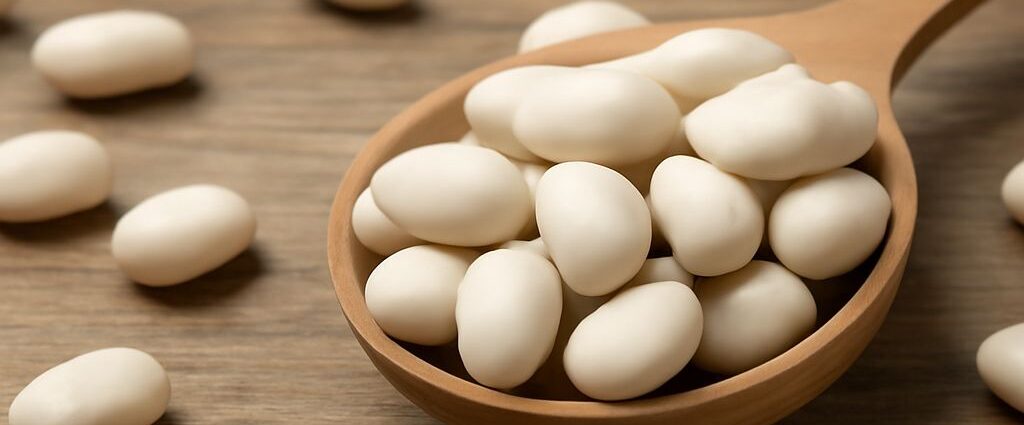
When a recipe calls for creamy, tender cannellini beans and your pantry is empty, the right cannellini beans substitute saves the dish without a trip to the store. Great northern beans are the closest match in both shape and mild flavor, while navy beans offer a smaller but equally smooth alternative. This guide focuses on practical swaps that keep soups, salads, and stews on track, all within the familiar territory of dairy-free and pantry-friendly cooking.
What to Know About Cannellini Beans Substitute
Cannellini beans are prized for their thin skin, buttery interior, and ability to hold their shape in long-cooked dishes. A successful cannellini beans substitute must mimic that creamy texture without turning mushy or adding an assertive flavor. The best swaps come from the same white bean family, where starch content and cooking behavior align closely. Because these beans are often used in dairy-free recipes to add body without cream, the substitute should also blend smoothly into purees and sauces.
Key factors to weigh are size, cooking time, and how the bean breaks down. Larger beans like butter beans can work, but their mealy texture shifts the mouthfeel. Smaller navy beans cook faster and collapse more easily, which is ideal for dips but less so for salads. Always consider whether the bean is the star of the plate or a supporting player.
Top Cannellini Bean Substitutes and Their Best Uses
Great northern beans are the go-to swap. They share the same kidney shape, just slightly smaller, and deliver a delicate, nutty taste that disappears into broths. Use them 1:1 in minestrone, pasta e fagioli, or white bean hummus. Their thin skins mean they puree just as silkily as cannellini, making them a seamless cannellini beans substitute for dairy-free cream sauces.
Navy beans are smaller and rounder, with a dense, velvety texture when cooked. They shine in dishes where beans break down partially, like Tuscan ribollita or blended soups. Because they soften faster, reduce simmering time by 5–10 minutes to avoid a pasty result. In cold salads, navy beans can clump, so dress them lightly and serve soon after mixing.
Butter beans (large lima beans) offer a dramatic size difference but a similarly buttery bite. They work best in hearty stews and casseroles where their sturdiness is an asset. For a quick weeknight fix, canned great northern beans or navy beans are the most reliable pantry staples.
Taste and Texture Differences to Expect
Cannellini beans have an almost neutral flavor with a whisper of sweetness. Great northern beans taste slightly grainier when undercooked, so a longer soak and gentle simmer are key. Navy beans bring a mild earthiness that can deepen the background of a broth, but they lack the same firm pop when bitten. In a side-by-side salad, the difference is noticeable; in a garlicky sauté, it fades.
Texture is where swaps diverge most. A cannellini bean’s skin is so tender it barely registers. Great northern beans hold their shape well but can feel a touch softer at the center. Navy beans become creamy throughout, which is perfect for a dairy-free white bean dip but less ideal when you want distinct whole beans. Adjust your cooking method to either preserve structure or lean into the creaminess.
Substitution Ratios and Cooking Tips
Stick to a 1:1 ratio by volume for both dried and canned beans. If using dried great northern beans or navy beans, soak them overnight and discard the water to improve digestibility and even cooking. For canned versions, drain and rinse well to remove excess sodium and any metallic taste. When a recipe relies on cannellini beans for thickening, like a rustic stew, mash a spoonful of the substitute beans against the pot side to release starch, mimicking that signature body.
Acidic ingredients such as tomatoes or vinegar can slow bean softening. Add them only after the beans are tender. If you’re swapping in a slow-cooker dish, navy beans may break down more than expected; add them halfway through cooking to maintain some texture. For salads, cool the beans completely in their cooking liquid to keep skins intact.
Common Questions
Can I use chickpeas instead of cannellini beans? Chickpeas are firmer and nuttier, so they change the character of a dish. They work in a pinch for soups and salads, but the result will be less creamy.
Are canned great northern beans already cooked? Yes, canned great northern beans are fully cooked and ready to use. Just rinse and add directly to your recipe.
Do I need to adjust liquid when using navy beans? Navy beans absorb more liquid as they cook. Add an extra splash of broth or water and check the pot occasionally to prevent sticking.
Related Guides and Recipes
Explore more pantry solutions in our Substitutions & Dairy-Free Swaps hub. For other bean swaps, see our guide to chickpea substitutes and how to use butter beans in place of cannellini. If you’re building a dairy-free pantry, our dairy-free staples list helps you keep the right beans on hand.
Next steps: Keep a can of great northern beans and navy beans in your cupboard. The next time a recipe calls for cannellini, you’ll reach for the right substitute without hesitation. Taste as you go, note the small texture shifts, and you’ll build an instinct for which swap suits your favorite soups, salads, and spreads.






Comments are closed, but trackbacks and pingbacks are open.