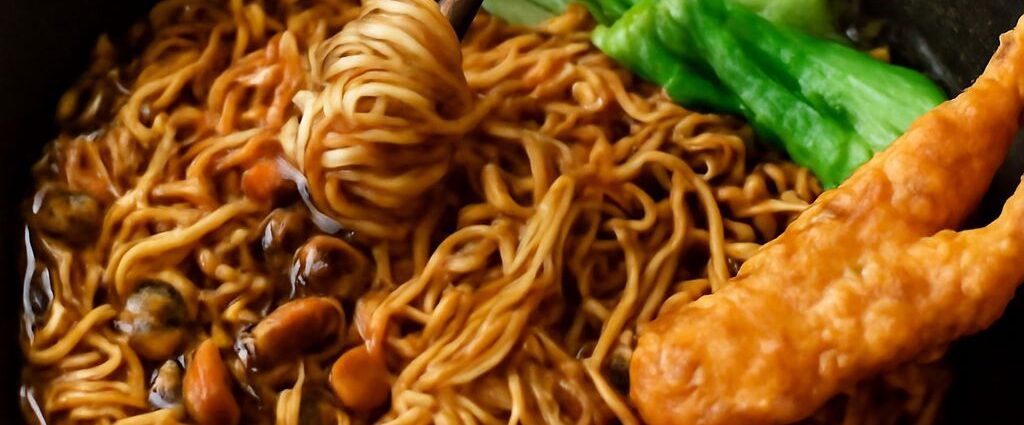
Korean black bean noodles, known as jajangmyeon, are a beloved comfort food in Korea. This savory noodle dish features chewy wheat noodles topped with a rich, glossy black bean sauce, studded with pork and vegetables. Making jajangmyeon at home is achievable with the right ingredients and a little patience, delivering the signature sweet-savory flavors and satisfying textures of this iconic meal. Below, you’ll learn what sets Korean black bean noodles apart, which ingredients truly matter, a detailed cooking method, pro tips for success, and creative variations—including how to make black bean ramen inspired by jajangmyeon.
What Are Korean Black Bean Noodles?
Korean black bean noodles are a noodle dish centered on a dark, umami-rich sauce made from fermented black soybean paste called chunjang. While jajangmyeon originated from Chinese zhajiangmian, it has become uniquely Korean over the last century. In Korea, jajangmyeon is a beloved casual meal, especially for lunch or quick dinners, and it’s famous for being the food of choice on “Black Day,” a holiday for singles in April.
The dish consists of two main parts: thick, bouncy wheat noodles (often called jajangmyeon noodles) and a hearty black bean sauce. The sauce is typically made by stir-frying chunjang with pork, onion, zucchini, cabbage, and sometimes potato, then simmering everything together until deeply flavorful. The finished dish is often garnished with cucumber or green peas for freshness and crunch.
In Korean restaurants and home kitchens, jajangmyeon is served in large bowls with the sauce spooned generously over the noodles. Diners toss the components together before eating, ensuring every bite is coated in that signature glossy, black bean richness. The noodles themselves can be fresh, hand-pulled, or dried and boiled—each style offering a slightly different chew and tenderness.
While jajangmyeon is the most recognized form, variations like black bean ramen have emerged, inspired by instant noodle culture and fusion cuisine. These dishes take the core flavors of jajangmyeon and adapt them to quick-cooking ramen noodles or other formats, making the distinctive taste accessible in new ways.
Essential Ingredients for Jajangmyeon
The heart of jajangmyeon is its sauce, and authentic flavor depends on a few key ingredients. Here are the essentials you’ll need to make classic Korean black bean noodles:
- Chunjang (Fermented Black Bean Paste): This thick, glossy paste provides the characteristic color and deep flavor. Look for it at Korean or Asian grocery stores. Do not confuse with Chinese black bean sauce; chunjang is less salty and has a slightly sweet edge.
- Pork or Beef: Most traditional recipes use diced pork belly or shoulder for richness, but leaner cuts or beef can be substituted. Some modern versions use chicken or even tofu for a lighter or vegetarian option.
- Jajangmyeon Noodles: These are thick, wheat-based noodles with a chewy texture. Fresh noodles are best, but dried or frozen options work well. If you can’t find jajangmyeon noodles, udon or thick spaghetti can be a substitute, but the texture will differ.
- Vegetables: Onion, zucchini, potato, and cabbage are classic choices. Carrot, mushroom, or bell pepper can also be included for extra flavor and nutrition.
- Potato Starch Slurry: Made by mixing potato starch (or cornstarch) with water, this thickens the sauce to a glossy, clingy consistency.
- Other Seasonings: Sugar balances the savory and bitter notes of the black bean paste. Soy sauce, oyster sauce, and a splash of rice wine or mirin can enhance depth. Some recipes include garlic and ginger for aroma.
For garnishes, freshly julienned cucumber, green peas, or sliced boiled egg provide color and fresh contrast. Many enjoy kimchi or pickled radish (danmuji) on the side to cut through the sauce’s richness.
Black bean noodle dishes depend on these core components. While ingredient ratios and cooking methods may vary by household or region, starting with quality fermented black bean paste and springy noodles is essential to achieve the authentic jajangmyeon experience.
Step-by-Step Jajangmyeon Recipe
This recipe yields 2-3 servings of classic Korean black bean noodles. You’ll need about 40 minutes from prep to table. Gather all your ingredients before you start for the smoothest cooking flow.
-
Prepare the Ingredients:
- 200g (about 7 oz) fresh or dried jajangmyeon noodles
- 150g (about 5 oz) pork belly or shoulder, diced
- 1 cup onion, diced
- 1/2 cup zucchini, diced
- 1/2 cup potato, peeled and diced
- 1/2 cup cabbage, chopped
- 2 tbsp chunjang (Korean black bean paste)
- 1–2 tbsp vegetable oil (plus extra for frying paste)
- 1 tbsp sugar
- 1 tbsp soy sauce
- 1 tsp oyster sauce (optional, for extra depth)
- 1 cup water or unsalted broth
- 1 tbsp potato starch (or cornstarch) + 2 tbsp water (for slurry)
- Fresh cucumber, sliced, for garnish
-
Fry the Black Bean Paste:
Heat 1 tablespoon of oil in a large skillet or wok over medium heat. Add the chunjang and fry, stirring constantly, for 1–2 minutes. This step cooks out raw flavors and reduces bitterness. Remove the fried paste from the pan and set aside.
-
Stir-Fry the Pork and Vegetables:
Add another tablespoon of oil to the same pan. Add diced pork and stir-fry until the pink is mostly gone and the edges start to brown, about 2–3 minutes. Add onion and potato. Cook for 2-3 minutes, then add zucchini and cabbage. Stir-fry until all vegetables are slightly softened but not mushy, about 3–4 more minutes.
-
Combine Sauce and Simmer:
Return the fried black bean paste to the pan. Add sugar, soy sauce, oyster sauce, and water or broth. Stir everything together. Bring to a gentle boil, then lower heat and simmer for 7–8 minutes. The sauce should thicken slightly and the vegetables will finish cooking through.
-
Thicken the Sauce:
Stir the potato starch and water together in a small bowl. Pour the slurry into the pan while stirring to avoid lumps. Simmer 1–2 minutes more, until the sauce is glossy and coats the back of a spoon.
-
Boil the Noodles:
Meanwhile, bring a large pot of water to a boil. Add jajangmyeon noodles and cook according to the package instructions (usually 3–5 minutes for fresh noodles, 6–8 minutes for dried). Stir occasionally to prevent sticking. Drain well and rinse briefly with cold water for extra chewiness.
-
Assemble and Serve:
Divide noodles among serving bowls. Spoon the hot black bean sauce generously over each portion. Garnish with julienned cucumber and, if desired, green peas or a few slices of boiled egg.
-
To Eat:
Mix the noodles and sauce well at the table so every strand is coated. Enjoy immediately, with pickled radish or kimchi on the side as a palate cleanser.
This method delivers the classic taste and satisfying texture that black bean noodle fans adore. With a balanced ratio of sauce to noodles and perfectly cooked vegetables, homemade jajangmyeon can rival your favorite restaurant version.
Tips for Perfect Black Bean Noodles
Achieving restaurant-quality jajangmyeon noodles at home takes a few tricks and a little attention to detail. Here’s how to elevate your homemade black bean noodles every time:
- Fry the black bean paste thoroughly: This step is essential to mellow out bitterness and develop a round, savory flavor. Don’t skip it or rush it—let the paste sizzle in oil for at least a minute or two, stirring constantly.
- Cut vegetables and meat evenly: Aim for small, uniform cubes, about 1/2-inch wide. This ensures even cooking and makes the sauce heartier and easier to mix with the noodles.
- Don’t overcook the noodles: Jajangmyeon noodles should be slightly chewy, not mushy. Taste for doneness and rinse briefly with cold water if you want extra bite. If using a substitute noodle, monitor cooking time closely.
- Balance sweetness and saltiness: Every brand of chunjang varies slightly in salt and bitterness. Adjust sugar and soy sauce to taste, adding a little at a time until the sauce is balanced.
- Thicken the sauce just before serving: Let the potato starch slurry go in at the end so the sauce stays glossy and thick when poured over the noodles.
- Serve immediately: The dish is best when the sauce and noodles are freshly tossed together. If making ahead, keep sauce and noodles separate and combine just before eating.
For added richness, some cooks stir in a splash of sesame oil or a pat of butter just before serving. For a lighter dish, use more vegetables and less meat, or substitute tofu for pork. Always taste and adjust the sauce at the end—good black bean noodles should be robust and savory, with just enough sweetness to balance the earthy, fermented notes of the chunjang.
Accompaniments like yellow pickled radish (danmuji) or fresh kimchi provide a crunchy, tangy counterpoint to the dense sauce. If you want to impress guests or enjoy a special meal at home, serve jajangmyeon in deep bowls and garnish with a generous handful of cucumber slivers and a sprinkle of toasted sesame seeds.
Variations: Black Bean Ramen and More
The classic jajangmyeon recipe is endlessly adaptable, and many variations have sprung up to suit different tastes and cooking styles. Here’s how you can branch out from traditional Korean black bean noodles:
- Black Bean Ramen: Inspired by instant noodle culture, black bean ramen swaps jajangmyeon noodles for curly, quick-cooking ramen noodles. Use instant ramen (discarding the seasoning packet) or fresh ramen noodles. Prepare the black bean sauce as above, then boil the ramen noodles and toss them in the sauce for a quicker, slurpable version. Some Korean brands even sell instant “jajang ramen” packets with a ready-made sauce for convenience.
- Seafood Jajangmyeon (Samseon Jajangmyeon): Replace or supplement pork with shrimp, squid, or other seafood. The sauce pairs beautifully with briny flavors, and it’s common in Korean-Chinese restaurants.
- Vegetarian or Vegan Jajangmyeon: Omit meat entirely and add extra vegetables like mushroom, eggplant, or tofu. Use vegetarian oyster sauce or soy sauce to deepen the flavor. Many home cooks enjoy a “cleaner” version that puts vegetables at the forefront.
- Spicy Black Bean Noodles: For extra heat, add a spoonful of gochujang (Korean red chili paste) or finely chopped chili peppers to the sauce. This adds a spicy kick and a new layer of flavor.
- Fusion and Toppings: Some creative home cooks top black bean noodles with cheese, fried eggs, or even kimchi for fusion twists. Others add a drizzle of truffle oil or sprinkle with crispy shallots for restaurant flair.
In Korea and abroad, black bean noodle dishes have become a canvas for culinary creativity. Instant noodle brands like Nongshim and Paldo offer black bean ramen kits for busy days, but the sauce is easily made from scratch for a fresher meal. Try experimenting with noodle shapes (fresh udon, thick spaghetti, or even rice noodles for gluten-free diets) and adjust the sauce thickness and seasoning to your preference.
Whether you stick with the classic jajangmyeon noodles or explore new takes like black bean ramen, this versatile dish is proof that satisfying comfort food is just a pot of noodles and a savory sauce away. Mix, slurp, and enjoy the flavors of Korea in your own kitchen.







Comments are closed, but trackbacks and pingbacks are open.