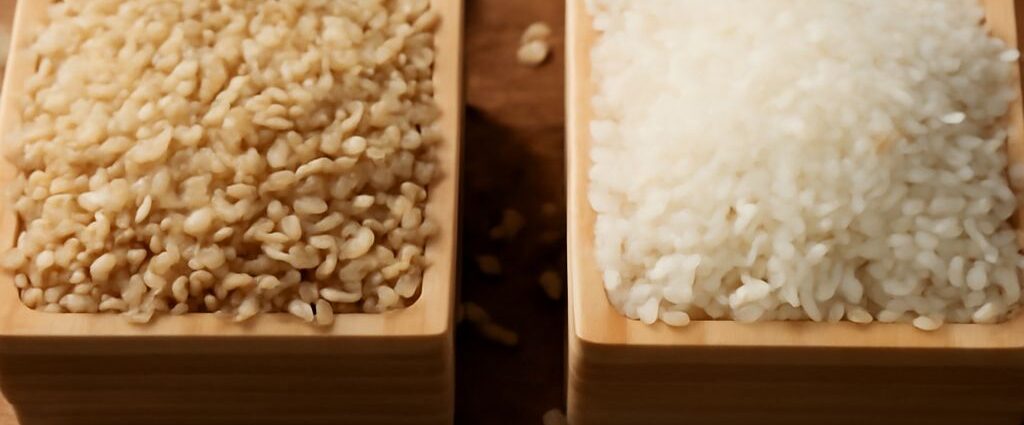
Is rice healthier than pasta? Neither option is universally healthier. In equal cooked portions, plain pasta usually provides more protein and fiber than white rice. Rice may be the better choice for gluten-free meals, lighter textures, and bowls served with curries or stir-fries.
The most useful rice vs pasta comparison keeps the serving size and criteria consistent. Your choice should also account for whole-grain versions, the sauce, added protein, vegetables, and the meal you are building.
Is Rice Healthier Than Pasta? The Short Answer
Choose pasta when fiber, protein, or fullness is the priority, especially if you select whole-wheat pasta. Choose rice when you need a gluten-free grain or want a neutral base for saucy dishes.
For calorie control, neither food has a decisive advantage. A measured portion of either can fit well into a balanced meal. However, oil, cheese, creamy sauces, coconut milk, and large portions can add far more calories than the rice or pasta itself.
Rice vs Pasta: Nutrition per Equal Cooked Portion
Compare one cup cooked of each food rather than using dry serving sizes. Cooking changes weight and volume, while package serving sizes are not always identical. The figures below are representative estimates; brands and cooking methods vary.
- Calories: White rice provides about 205 calories; plain cooked pasta provides about 220.
- Carbohydrates: Both contain roughly 43–45 grams, making them similar energy sources.
- Protein: White rice has about 4 grams; regular pasta has about 7–8 grams.
- Fiber: White rice contains less than 1 gram; pasta usually provides about 2–3 grams.
- Texture: Rice is generally lighter and softer, while pasta is denser and chewier.
That protein and fiber difference can make pasta more filling for some people. Still, the full plate matters more than the base. Adding lentils, beans, chicken, fish, tofu, or vegetables can improve either meal’s protein, fiber, and nutrient content.
Which Fits Which Meal or Goal
Rice works well for gluten-free eating. Plain rice is naturally gluten-free, making it useful for rice bowls, sushi, curries, stir-fries, and burrito bowls. Choose certified gluten-free packaged products when cross-contact is a concern.
Pasta suits sauce-focused meals. Its shape holds tomato sauce, pesto, vegetables, and lean proteins effectively. Whole-wheat pasta can also provide more fiber and protein than white rice in the same cooked volume.
For a softer, milder base, choose white rice. It pairs easily with strongly seasoned foods and may be more comfortable when you want a less chewy texture. Brown rice offers a firmer bite and a nuttier flavor.
For more fullness, choose a higher-fiber option. Whole-wheat pasta, brown rice, or pasta made from legumes can support this goal. Portion size still matters, and a large serving can outweigh the benefit of choosing a higher-fiber variety.
For balanced calories, focus on the toppings. A cup of plain rice or pasta is relatively moderate in calories, but generous oil, cream sauce, cheese, or fatty meat can quickly change the meal. Use a measured base, then add vegetables and a satisfying protein source.
Pasta vs Rice: White and Whole-Grain Choices
White rice and regular pasta are both refined choices, but they are not nutritionally identical. White rice generally contains less fiber and protein per cooked cup. Regular pasta often retains more protein because it is made from wheat and has a denser structure.
Brown rice keeps more of the grain’s bran and germ than white rice, so it supplies more fiber and has a chewier texture. Whole-wheat pasta also retains more of the wheat grain and typically offers substantially more fiber than standard pasta. Check the nutrition label because amounts differ by brand and serving weight.
Whole-grain foods may support steadier digestion and greater fullness, but preference and tolerability matter. If you dislike brown rice or whole-wheat pasta, a smaller portion of the version you enjoy, combined with vegetables and protein, can still make an excellent meal.




Comments are closed, but trackbacks and pingbacks are open.