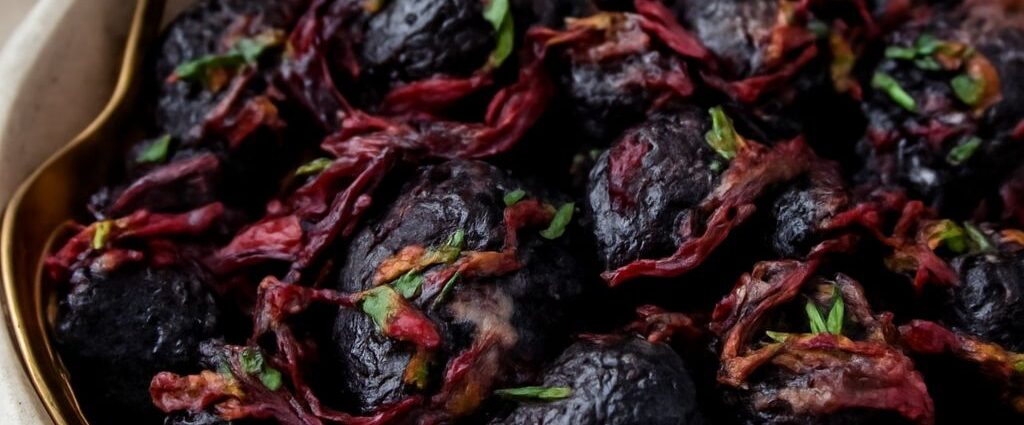
For a reliable purple potatoes recipe, roast 1½ pounds of halved or quartered potatoes at 425°F (220°C) for 30 to 35 minutes. This method gives waxy potatoes crisp edges and a creamy center while preserving much of their vivid color.
Choose potatoes of similar size, dry them well, and keep the pieces in a single layer. The recipe below serves four and includes garlic, rosemary, and parsley.
Purple Potatoes Recipe: Roasted with Garlic and Herbs
Ingredients
- 1½ pounds (680 grams) small purple potatoes
- 2 tablespoons olive oil
- 1 teaspoon kosher salt
- ½ teaspoon freshly ground black pepper
- 3 garlic cloves, lightly smashed
- 1 teaspoon finely chopped fresh rosemary, or ½ teaspoon dried rosemary
- 1 tablespoon chopped fresh parsley, for finishing
Method
- Heat the oven to 425°F (220°C). Line a rimmed baking sheet with parchment, or lightly oil it.
- Scrub the potatoes and leave the skins on. Cut small potatoes in half and larger ones into 1½-inch pieces. Make the pieces as uniform as possible so they finish together.
- Pat the potatoes completely dry. Toss them with the olive oil, salt, and pepper, then spread them cut-side down in one layer. Leave space between the pieces; a crowded pan steams instead of browning.
- Roast for 20 minutes. Turn the potatoes, then add the smashed garlic and rosemary. Roast for another 10 to 15 minutes.
- Check the largest piece with a fork. It should slide easily into the center, while the cut edges should be browned and crisp. Sprinkle with parsley and serve hot.
If the potatoes brown before they become tender, reduce the oven to 400°F (205°C) and continue cooking for 5 to 10 minutes. If they remain pale, the pieces may be too crowded or still damp. Smaller pieces can finish in about 25 minutes, while large wedges may need 40 minutes.
Purple Potato Recipes: Waxy or Floury?
Texture determines which of the many purple potato recipes will work best. Purple potatoes are not one uniform type. Some are waxy and firm, some are floury and starchy, and others fall between the two.
- Waxy potatoes: These have a smooth, creamy texture and hold their shape after cooking. Use them for roasting, boiling, potato salad, skewers, and soups. Their lower starch content helps prevent crumbling.
- Floury potatoes: These are drier and more starchy. They become fluffy when boiled and mashed, and their rough surfaces can turn especially crisp in the oven. They are less suitable for salads because they break apart more easily.
- All-purpose potatoes: These balance firmness and starch. They roast well and can also be boiled or mashed without becoming excessively dense.
Small baby potatoes and many fingerling-style varieties are usually waxy or moderately waxy. Larger baking-style purple potatoes tend to be starchier, though the package label or the potato’s texture is a better guide than size alone. Select firm potatoes without soft spots, deep wrinkles, or sprouting.
For recipes for purple potatoes, use waxy varieties when the finished pieces need to stay distinct. Choose floury varieties when you want a light mash or a drier, more rugged roasted surface.
Cooking Purple Potatoes: Boiling and Mashing Times
Start purple potatoes in cold, salted water rather than dropping them into already boiling water. This allows the centers to heat gradually and prevents the outsides from splitting before the middle cooks.
For boiled potatoes or salad, place whole small potatoes in a pot and cover them with about 1 inch of water. Add approximately 1 teaspoon of salt per quart of water. Bring the water to a boil, then lower the heat to maintain a gentle simmer.
- Whole small potatoes: Simmer for 15 to 20 minutes.
- Whole medium potatoes: Simmer for 20 to 25 minutes.
- 1-inch cubes: Simmer for 10 to 15 minutes.
For potato salad, stop cooking when a knife enters the center easily but the potato still feels firm enough to hold its shape. Drain immediately and let the potatoes steam dry for 2 to 3 minutes. Toss them with dressing while warm so they absorb the flavor without becoming waterlogged.
For mashed potatoes, peel them if you want a smoother result, or leave the skins on for more color and texture. Cut 1½ pounds of potatoes into 1-inch cubes and simmer them for 12 to 15 minutes, until completely tender. Drain well and return them to the warm pot for 1 to 2 minutes to evaporate excess moisture.
Mash with 3 tablespoons of butter, then gradually mix in ⅓ cup of warm milk. Season with ¾ teaspoon salt, or adjust to taste. Floury potatoes make the fluffiest mash. If using waxy potatoes, mash gently with a hand masher and stop as soon as the texture is smooth. Beating them vigorously releases excess starch and can make the mash gluey.
For a salad, cool boiled waxy potatoes for about 5 minutes, then add mustard vinaigrette, lemon juice, herbs, scallions, or chopped pickles. For a mash, use warm dairy and fold in roasted garlic, chives, or black pepper after the potatoes are smooth.
Keeping Purple Potatoes Bright
Purple potato color comes from water-sensitive pigments, so cooking technique affects the final shade. The color may soften slightly with heat, but these steps help preserve it:
- Keep the skins on when practical. The skin protects the flesh and adds contrasting color, especially during roasting and salad preparation.
- Cut just before cooking. Do not leave cut potatoes submerged for a long time, since soaking can leach pigments and flavor.
- Avoid alkaline water. Baking soda can shift purple pigments toward blue-green and make the color look dull or uneven.
- Cook only until tender. Long boiling or roasting can fade the interior and create a watery or crumbly texture.
- Add acid after cooking. Lemon juice or vinegar in a salad dressing can sharpen the color and flavor. Add it once the potatoes are cooked rather than soaking raw potatoes in it.
Roasted potatoes are ready when the centers are creamy and the edges are browned. Boiled salad potatoes should remain intact, while mashed potatoes should be tender, moist, and light rather than stretchy.










Comments are closed, but trackbacks and pingbacks are open.