
A dairy free diet replaces milk, butter, cream, cheese, and other dairy foods with simple plant-based alternatives. The easiest way to start is to build meals around grains, beans, vegetables, fruit, eggs, meat, fish, nuts, and dairy-free swaps that fit the texture you need.
If you are removing dairy from your diet, the biggest win is learning which ingredients do the job best in cooking. A good non dairy diet does not feel restrictive when you know how to swap for creaminess, richness, and tang.
Dairy Free Diet Ingredients and Preparation
Start with a pantry and fridge base that makes everyday meals easy. For most people, the best dairy-free starter list includes these foods:
- Milk swaps: unsweetened oat milk, soy milk, almond milk, coconut milk, or pea milk
- Butter swaps: plant butter, olive oil, avocado oil, or coconut oil
- Cream swaps: canned coconut milk, cashew cream, oat cream, or blended silken tofu
- Cheese swaps: dairy-free shreds, nutritional yeast, tahini, avocado, or blended nuts
- Yogurt swaps: coconut, soy, or almond yogurt with live cultures
- Protein foods: beans, lentils, tofu, tempeh, eggs, fish, chicken, and lean meats if you eat them
- Flavor builders: garlic, onion, lemon, vinegar, herbs, mustard, miso, and nutritional yeast
If you are cutting out dairy, read labels on bread, crackers, sauces, soups, and seasoning packets. Milk powder, whey, casein, butterfat, and ghee often hide in packaged foods.
For a practical setup, stock one milk swap, one butter swap, one yogurt swap, and one cream swap before you begin. That gives you enough flexibility to cook breakfast, lunch, dinner, and snacks without frustration.
How to Make a Dairy Free Diet Work
The method is simple: replace dairy by function, not just by name. Ask what the dairy ingredient was doing in the recipe, then choose the closest substitute.
- For creaminess: use oat milk, coconut milk, cashew cream, or blended tofu.
- For richness: use olive oil, plant butter, tahini, nut butter, or avocado.
- For tang: use lemon juice, vinegar, plain dairy-free yogurt, or a little mustard.
- For cheese flavor: use nutritional yeast, miso, olives, sun-dried tomatoes, or aged vegan cheese.
- For browning: use oil, higher oven heat, or a short broil at the end.
A reliable starter formula for a dairy-free creamy sauce is:
- 1 tablespoon olive oil or plant butter
- 1 tablespoon flour or cornstarch
- 1 cup unsweetened oat milk or soy milk
- 2 to 3 tablespoons nutritional yeast or dairy-free parmesan style seasoning
- Salt, pepper, and garlic powder to taste
Cook the fat and flour together for 1 minute, whisk in the milk, and simmer 3 to 5 minutes until slightly thick. The sauce is ready when it coats the back of a spoon. If it looks grainy, the heat was too high; lower it and whisk in a splash more milk.
For a dairy-free breakfast, use this same logic. Oatmeal becomes richer with soy milk and nut butter. Scrambled tofu can replace eggs with turmeric, salt, and olive oil. Toast works well with avocado, hummus, or almond butter instead of cream cheese.
Meal planning helps when you are first removing dairy from your diet. Build each meal around one protein, one starch, one vegetable or fruit, and one fat. That pattern keeps the food satisfying without needing cheese or cream at every meal.
Meals, Swaps, and Flavor Ideas
These are the most useful everyday swaps for a non dairy diet. They are not exact replicas of dairy foods, but they work in real meals.
- Milk in coffee or cereal: oat milk for the creamiest result, soy milk for more protein
- Butter on toast or potatoes: plant butter or olive oil
- Sour cream in tacos: plain dairy-free yogurt mixed with lime juice and salt
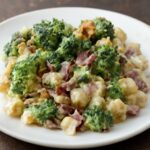
- Mac and cheese: cashew sauce, pumpkin sauce, or blended cauliflower with nutritional yeast
- Pizza topping: dairy-free mozzarella, olives, peppers, or basil for extra flavor
- Mashed potatoes: olive oil and warm oat milk instead of butter and cream
- Baking: unsweetened plant milk for milk, vegan butter for butter, and applesauce or flax egg where needed
Use flavor boosters so meals do not taste flat. Acid, salt, and herbs make the biggest difference when cutting out dairy. Try lemon on roasted vegetables, vinegar in soups, and fresh basil on pasta.
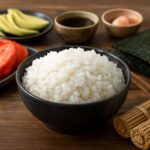
If you want a quick dairy-free dinner, make a grain bowl. Combine cooked rice or quinoa, roasted vegetables, chickpeas or tofu, and a sauce made from tahini, lemon, garlic, and water. It is filling, flexible, and naturally dairy free.
For a simple soup, simmer onions, carrots, celery, and garlic in oil for 5 minutes. Add broth, potatoes, and cauliflower, then cook 15 to 20 minutes until tender. Blend part of the soup for a creamy texture without cream.
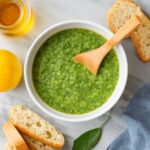
When a recipe depends heavily on cheese, choose a different style instead of forcing a weak substitute. Pesto pasta, peanut noodles, chili, curry, hummus wraps, and tomato-based dishes all fit a dairy free diet more easily than recipes that rely on melted cheese.
Serve, Store, or Vary Your Dairy Free Meals
Serve dairy-free meals the same way you would any balanced meal: hot foods hot, cold foods chilled, and sauces added at the end for better texture. If you are using a dairy-free cheese substitute, add it near the end of cooking so it does not dry out.
Storage depends on the swap you used. Most cooked grains, beans, vegetables, and sauces keep well in the fridge for 3 to 4 days. Store dairy-free cream sauces in a sealed container and reheat gently over low heat, adding a splash of milk if needed.
Some dairy-free ingredients behave differently after chilling. Coconut milk can firm up, and cashew sauces can thicken. Stir in a little warm water or broth before reheating if the texture becomes too dense.
For meal prep, keep components separate until serving. Store grains, protein, vegetables, and sauce in different containers. This helps food stay fresh and prevents sogginess.
To vary your dairy free diet without extra work, rotate the base ingredient instead of rebuilding the whole meal:
- Swap rice for quinoa or pasta
- Swap chickpeas for lentils or tofu
- Swap oat milk for soy milk or coconut milk
- Swap tahini sauce for pesto or salsa
- Swap roasted vegetables for steamed greens or raw salad
If you are new to a non dairy diet, start with one meal a day rather than changing everything at once. Breakfast is often the easiest place to begin, followed by coffee, then sauces and dinners.





Comments are closed, but trackbacks and pingbacks are open.