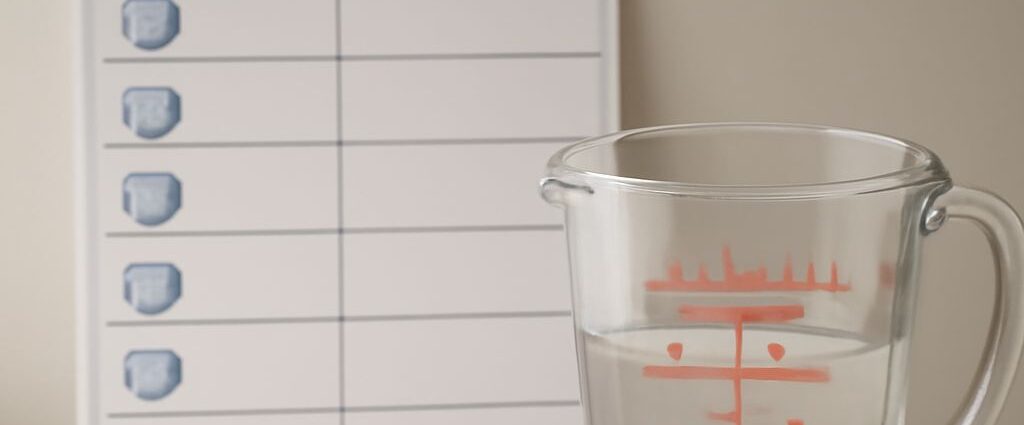
Measuring cups and liquid conversions are essential for cooking, baking, and mixing drinks. Whether you’re scaling a recipe, converting ounces to cups, or trying to figure out how many cups in a pint or quart, a clear answer saves time and prevents kitchen mistakes. Below, get the definitive conversions you need—plus tips, tables, and answers to the most common questions about cups measurement.
How Many Cups in a Pint, Quart, and Ounce?
The standard US cup measurement is 8 fluid ounces. Here is the direct answer for the most common conversions:
- 1 pint = 2 cups
- 1 quart = 4 cups
- 1 ounce = 1/8 cup
To break it down further, here’s the relationship among these popular kitchen units:
- 1 pint equals 2 cups (16 fluid ounces)
- 1 quart equals 4 cups (32 fluid ounces, or 2 pints)
- 1 cup equals 8 fluid ounces
- 1 ounce equals 2 tablespoons, or 1/8 of a cup
So, if your recipe calls for 1 quart of milk, you’ll need 4 cups. If you have 1 pint of cream, that’s exactly 2 cups. For smaller quantities, 1 ounce is equivalent to 1/8 cup (just 2 tablespoons). These values assume US customary units, which are standard in American recipes. In the UK and other countries, cup measurements can differ slightly, so always check your recipe’s origin if precise results matter.
Ounces to Cups Conversion Table
Converting oz to cup measurements helps when you’re working with recipes that list ingredients in fluid ounces but you only have measuring cups. Here’s a quick oz to cup conversion table for common amounts:
- 1 oz = 0.125 cup (1/8 cup)
- 2 oz = 0.25 cup (1/4 cup)
- 4 oz = 0.5 cup (1/2 cup)
- 6 oz = 0.75 cup (3/4 cup)
- 8 oz = 1 cup
- 12 oz = 1.5 cups
- 16 oz = 2 cups (1 pint)
- 32 oz = 4 cups (1 quart)
For quick math: divide the number of fluid ounces by 8 to get the equivalent in cups. For example, to convert 10 fluid ounces to cups, divide 10 by 8: 10 oz ÷ 8 = 1.25 cups. This simple formula makes converting any fluid ounce amount straightforward, whether doubling a recipe or improvising with what’s in your pantry.
Be aware that fluid ounces measure volume, not weight. Dry ingredients like flour or sugar are best measured with dry measuring cups or by weight, as their density can vary significantly. For liquids, the oz to cup conversion above applies across all types—from water to milk, oil, or juice.
It’s also helpful to remember that some packaged goods list their volume in ounces, especially in the United States. If a can of broth says 14.5 ounces, that’s just over 1.8 cups—helpful for substituting or scaling recipes on the fly.
Understanding Cups Measurement
In US cooking, the cup is a standard measurement for both liquid and dry ingredients. One cup equals 8 fluid ounces (fl oz) for liquids. For dry ingredients, one cup measures the volume, but the weight can vary—one cup of flour weighs less than one cup of sugar, for example.
It’s important to use the correct measuring tool for the ingredient type:
- Liquid measuring cups: Typically made of glass or clear plastic with a spout, ideal for water, milk, oils, and other liquids. Fill to the line at eye level for an accurate read.
- Dry measuring cups: Sold as nesting sets (1 cup, 1/2 cup, 1/3 cup, 1/4 cup), made for scooping and leveling off dry ingredients like flour, sugar, rice, or oats.
Internationally, the cup measurement varies. In the US, 1 cup is 237 milliliters. In Australia, 1 cup is 250 milliliters. The UK doesn’t use “cup” as a standard unit, so British recipes often call for grams or milliliters instead. If you’re cooking from a non-US source, always check the intended measurement system.
Cups measurements make scaling recipes easy. If you know that 1 quart equals 4 cups, doubling a soup recipe from 2 quarts to 4 quarts means you’ll need 8 cups of liquid. Or, when making drinks, the formula 8 oz equals 1 cup simplifies batching cocktails or lemonade for a party.
Another tip: measuring spoons and cups are related. There are 16 tablespoons in 1 cup, and 48 teaspoons in 1 cup. For smaller conversions, this helps when a recipe asks for a fraction of a cup and your only tools are spoons and not cups.
Tips for Measuring Ingredients Accurately
Accurate measurements are essential for baking success and consistent results in savory dishes. Here’s how to ensure your cup measurements are precise every time:
- Level dry ingredients: Fill the dry measuring cup to overflowing, then sweep the excess off with the flat edge of a knife for an exact measure. Never pack flour or powdered sugar unless the recipe instructs you to.
- Check eye level for liquids: Place the liquid measuring cup on a flat surface and crouch down to check the fill line at eye level. This avoids over- or under-pouring.
- Use the right cup for the job: Dry measuring cups are for flour, sugar, and grains. Liquid measuring cups are for milk, oil, water, and broths. Mixing the two can give incorrect results, especially in sensitive recipes like cakes or bread.
- Weigh for more accuracy: If you have a digital kitchen scale, weigh ingredients for even more precise results. One cup of all-purpose flour weighs about 120 grams, but scooping can vary this by 20% or more.
- Know your ingredient: Some items (brown sugar, for example) are often packed into the cup. Always follow the recipe’s instructions about packing or sifting before measuring.
- Be consistent: Stick to one system (US customary or metric) for a single recipe. Mixing cups and milliliters or ounces and grams can cause confusion and errors.
For wet ingredients like honey or syrup, lightly oil the measuring cup first. This trick helps sticky ingredients pour out cleanly, so you get the full amount. For dry, clumpy items like brown sugar, gently press into the cup, unless the recipe says to leave it loose.
Using measuring cups correctly not only improves recipes but also helps with portion control and nutrition tracking. When you measure a cup of rice or oatmeal, you know you’re getting the right amount for both your dish and your dietary needs.
Finally, double-check conversions before doubling or halving a recipe. For example, if you need half of a 1 quart (4 cups) liquid, measure out 2 cups for best accuracy. If the math gets tricky, keep an oz to cup conversion table handy or bookmark this page for reference.
Common Questions About Cup Conversions
How many cups in a pint?
There are 2 cups in a US pint. This applies to both liquid and dry pints in US recipes, but be aware that a dry pint is slightly larger (18.6 US fluid ounces), mainly used for berries and produce.
How many cups in a quart?
There are 4 cups in a US quart. This is the standard for liquid quarts; dry quarts (used in some produce measurements) hold about 4.65 cups, but most recipes refer to the liquid quart.
How many cups in a fluid ounce?
There are 0.125 cups in 1 fluid ounce, or 1/8 cup per fluid ounce. For example, 4 fluid ounces is 0.5 cup (half a cup).
Is 8 ounces always 1 cup?
For fluids, yes: 8 fluid ounces equals 1 cup in US measurements. For dry ingredients, 8 ounces refers to weight, not volume, so the number of cups varies by ingredient. For example, 8 ounces of flour is about 1.8 cups, while 8 ounces of sugar is about 1.13 cups.
Why do some cups look different?
Some countries have different “cup” sizes. The metric cup (used in Australia, Canada, New Zealand, and South Africa) is 250 mL. The US customary cup is about 237 mL. If you’re using a non-US recipe, verify the correct cup size to avoid mistakes.
What about cup fractions?
Measuring cups are commonly sold in fractions: 1/2 cup, 1/3 cup, and 1/4 cup. If you need 2/3 cup and only have a 1/3 cup measure, use it twice. For a 3/4 cup, use a 1/4 cup three times. Accurate fractions help with scaling and dividing recipes.
How does oz to cup conversion work for solids?
For solids, ounce measurements usually refer to weight, not volume. Always check if your recipe uses weight (oz) or volume (fl oz). To convert solid ounces to cups, use a conversion chart specific to the ingredient. For instance, 1 cup of cheese is about 4 ounces by weight, but this can differ depending on whether it’s shredded or cubed.
Do I need special cups for baking?
A basic set of nesting dry measuring cups and a clear liquid measuring cup covers nearly all baking and cooking needs. For advanced baking or pastry work, a digital scale is helpful for measuring by weight.
With these answers, oz to cup conversions, and the basics of cups measurement, you can confidently tackle any recipe, convert measurements on the fly, and achieve consistent results in your kitchen.





Comments are closed, but trackbacks and pingbacks are open.