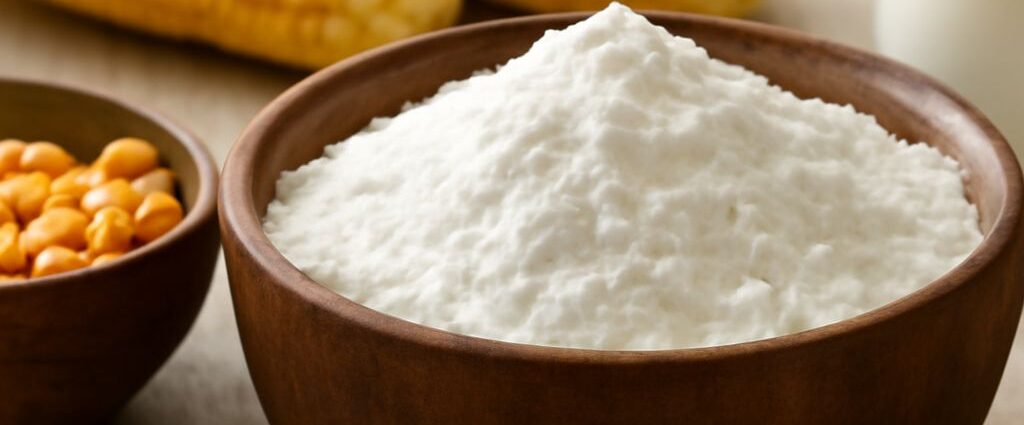
Is corn flour the same as cornstarch? No. Corn flour and cornstarch are different ingredients, and they behave differently in cooking. Corn flour is made from the whole corn kernel and has a finer, more corn-forward flavor. Cornstarch comes from the starchy part of the kernel and is almost pure starch, so it works mainly as a thickener.
If you are choosing between them, the key question is simple: do you need flavor and structure, or do you need pure thickening power? That answer determines whether corn flour vs corn starch is the better fit for your recipe.
The Direct Difference Between Corn Flour and Cornstarch
Is corn flour the same as corn starch? No. They are not interchangeable in the same way, even though both come from corn. Corn flour is ground from whole dried corn kernels. Cornstarch is extracted from the endosperm, which gives it a much higher starch content and a much smoother texture.
That difference changes how each ingredient performs. Corn flour adds corn flavor, color, and a little body. Cornstarch adds thickness with very little taste or color. In practice, cornstarch vs corn flour is a question of function, not just name.
There is also an important language note. In some regions, people use corn flour to mean a very finely milled cornmeal. In others, it may refer to flour made from whole corn. Even with that regional variation, it is still not the same as cornstarch.
Compare Texture, Flavor, Thickening, and Baking Use
When deciding between corn flour vs corn starch, focus on four criteria: texture, flavor, thickening strength, and baking behavior.
Texture
Cornstarch is silky, white, and nearly flavorless. It dissolves into sauces smoothly when mixed with cold liquid first. Corn flour is softer than cornmeal, but it still has more graininess and more visible corn character than cornstarch.
Flavor
Corn flour tastes like corn. That makes it useful when you want a corny, slightly sweet flavor in batters, breads, tortillas, muffins, or coatings. Cornstarch has almost no flavor, so it supports a dish without changing it much.
Thickening power
Cornstarch thickens quickly and strongly. A small amount can turn a thin sauce into a glossy, spoon-coating mixture. Corn flour does not thicken in the same efficient way because it contains more than starch alone. If your goal is a stable sauce or gravy, cornstarch is usually the better choice.
Because cornstarch is so strong, using too much can create a heavy or slightly gelled texture. It also needs to be cooked long enough to remove any raw starch taste. Corn flour can be more forgiving in baked or cooked dishes, but it will not give the same clean thickening result.
Baking use
Corn flour can be used in baking when you want corn flavor and a softer crumb. It is common in cornbread, some pancakes, muffins, and breading blends. Cornstarch is more often used to lighten flour mixtures, tenderize baked goods, or improve crispness in coatings and cookies.
If a recipe calls for is corn flour the same as cornstarch because the cook wants to make a batter or sauce, the answer usually depends on the result you need. For a thick sauce, cornstarch wins. For corn flavor, corn flour wins.
When to Use Corn Flour vs Cornstarch
Use corn flour when the recipe should taste like corn or contain a little more body from the grain itself. Good uses include:
- cornbread and savory quick breads
- muffins, pancakes, and waffles
- coatings for fried chicken, fish, or vegetables
- flatbreads, tortillas, and other corn-based doughs
- recipes where a pale yellow corn flavor is part of the point
Use cornstarch when the main goal is thickening or crisping without changing flavor much. Good uses include:
- gravies and pan sauces
- fruit pie fillings
- stir-fry sauces
- custards and puddings
- light coatings for frying or baking
If you are comparing cornstarch vs corn flour for a recipe, the sauce question is the fastest test. If the recipe needs to become thick, glossy, and stable, reach for cornstarch. If the recipe needs a corn-based ingredient with flavor and structure, use corn flour.
For baking, corn flour can sometimes replace part of wheat flour in a recipe, but it usually cannot replace wheat flour one-for-one. Cornstarch is even less suitable as a direct flour replacement because it lacks protein and structure.
Can You Substitute One for the Other?
Sometimes, but not cleanly. The answer to is corn flour the same as cornstarch is still no, so substitutions should be cautious.
Cornstarch for corn flour: This is usually a poor swap. Cornstarch thickens, but it does not provide corn flavor or the same body in baking. If you use it in place of corn flour, the recipe may turn gummy, bland, or structurally off.
Corn flour for cornstarch: This can work only in limited cases, and usually not as a 1:1 substitute. You may need more corn flour to get any thickening, but the dish will also become cloudier and more corn-flavored. That is acceptable in some rustic sauces or batters, but not in delicate gravies or glossy fillings.
Better substitution rule:
- For thickening, use cornstarch or another starch-based thickener.
- For corn flavor or corn meal-like baking, use corn flour or a recipe specifically written for it.
- If a recipe names one ingredient, avoid swapping unless the result can tolerate texture and flavor changes.
As a practical guide, if you only have one of them, do not assume corn flour vs corn starch is a simple trade. They serve different jobs. Cornstarch is the safer choice for sauces. Corn flour is the better choice for corn flavor and corn-based baking.







Comments are closed, but trackbacks and pingbacks are open.