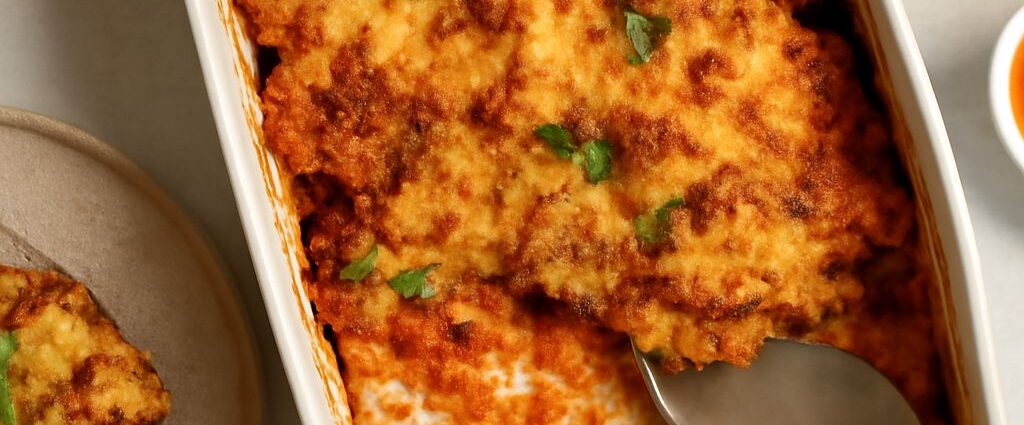
Vegan casserole recipes work best when you choose them by purpose, not just ingredients. Some are built for weeknight speed, others for meal prep, and some are meant to feel rich and comforting enough for a crowd.
The fastest way to pick a good vegan casserole is to match the main protein, the vegetables you already have, and the time you want to spend. That gives you a practical shortlist instead of a long list of vague ideas.
Vegan Casserole Recipes: Main Options
The strongest vegan casserole recipes usually fall into a few dependable types. Each one solves a different need, so you can choose the right one faster.
Bean-and-grain casseroles
These are the most flexible vegan casseroles. Use rice, quinoa, farro, or pasta with beans, vegetables, and a sauce. They are filling, budget-friendly, and easy to scale.
Best for:
- Meal prep
- Using pantry staples
- Making a complete one-dish dinner
Common examples include black bean and rice bakes, chickpea pasta casseroles, and quinoa vegetable bakes.
Potato-based casseroles
These lean into comfort food. Think scalloped potatoes, sweet potato bakes, or shepherd’s pie-style layers with lentils and vegetables. They usually feel hearty and familiar.
Best for:
- Family dinners
- Cold-weather meals
- A more traditional casserole texture
If you want an easy vegan casserole that feels crowd-pleasing, potato-based versions are often the safest choice.
Pasta casseroles
Pasta bakes are among the easiest vegan casserole recipes to make well. They depend on a good sauce, enough moisture, and a protein source such as lentils, tofu crumbles, or white beans.
Best for:
- Fast weeknight cooking
- Picky eaters
- Using leftover sauce or roasted vegetables
Use short pasta shapes that hold sauce, such as penne, rotini, or shells.
Vegetable-forward casseroles
These showcase seasonal produce. Zucchini, broccoli, cauliflower, spinach, mushrooms, and tomatoes all work well when paired with a creamy sauce or grain base.
Best for:
- Light but satisfying meals
- Using extra vegetables before they spoil
- Flexible flavor combinations
These vegan casseroles are useful when you want the vegetables to stay central instead of being hidden in the dish.
Creamy “comfort” casseroles
These rely on cashew sauce, plant milk, vegan cheese, or blended white beans for richness. They often imitate classic baked dishes without dairy.
Best for:
- Special dinners
- Replacing familiar comfort foods
- Serving guests who expect a richer casserole
If you want a dish that tastes indulgent, this category gives the strongest result.
Compare Vegan Casserole Recipes by What Matters
To choose well, compare vegan casserole recipes by four practical criteria: time, texture, ingredients, and how well they reheat.
Time and effort
Some vegan casserole recipes need almost no prep. Others require cooked grains, roasted vegetables, or a blended sauce.
- Fastest: pasta bakes, pantry bean casseroles, leftover rice bakes
- Moderate: potato casseroles, grain-and-vegetable bakes
- Most work: layered casseroles with multiple components
If you want an easy vegan casserole for tonight, choose a recipe with one starch, one protein, one vegetable, and one sauce.
Texture
Texture is often what separates an average vegan casserole from a good one. A casserole should have enough moisture to stay tender, but not so much that it turns soupy.
- Best for soft and creamy texture: potato bakes, creamy pasta casseroles
- Best for firm and sliceable texture: grain casseroles, lentil bakes
- Best for mixed texture: vegetable casseroles with a crunchy topping
If you like contrast, add breadcrumbs, crushed nuts, or a topping made from toasted oats and herbs.
Protein and staying power
Many vegan casseroles are filling because they combine starch and vegetables. For better staying power, include beans, lentils, tofu, tempeh, or soy-based crumbles.
- Most filling: bean-based and lentil-based casseroles
- Moderately filling: grain-and-vegetable casseroles
- Least filling on their own: vegetable-only casseroles without a protein base
If the casserole is the whole meal, make sure the protein is built in. That matters more than adding extra garnish later.
Flavor style
Vegan casserole recipes can lean savory, smoky, creamy, tomato-based, or herby. Pick the flavor style that fits the rest of your meal plan.
- Savory and classic: mushrooms, onions, thyme, garlic
- Smoky and bold: paprika, beans, roasted peppers, corn
- Creamy and mild: cashew sauce, white beans, broccoli, potatoes
- Bright and fresh: tomatoes, spinach, lemon, herbs
When in doubt, use a simple seasoning base and let the main ingredients do the work.
How to Choose the Right Vegan Casserole
Use the following selection framework to narrow the choices quickly.
Choose by occasion
- Weeknight dinner: pasta bake or bean-and-rice casserole
- Meal prep: grain casserole or lentil bake
- Family gathering: potato casserole or creamy baked dish
- Light lunch or side: vegetable-forward casserole
For a busy schedule, aim for recipes that use familiar ingredients and one baking dish. That usually means fewer steps and less cleanup.
Choose by what you already have
The easiest vegan casserole recipes usually start with leftovers or pantry items. Check for:
- Cooked rice, pasta, or potatoes
- Canned beans or lentils
- Frozen vegetables
- Plant milk, broth, or sauce
- Breadcrumbs or nuts for topping
If you have one starch and one protein, you already have the base for a solid vegan casserole.
Choose by how much richness you want
Some vegan casseroles should taste light and vegetable-focused. Others should feel indulgent.
- Lightest: tomato-and-vegetable bakes
- Middle ground: grain casseroles with a simple sauce
- Richest: cashew-based, vegan cheese, or potato-heavy casseroles
If you want comfort food, do not skimp on fat and seasoning. If you want a weeknight staple, keep the sauce simpler.
Choose by reheating needs
Not all vegan casseroles hold up equally well. Some improve overnight, while others dry out.
- Best reheated: bean casseroles, lentil bakes, saucy pasta casseroles
- Good but need moisture added: grain bakes, roasted vegetable casseroles
- More delicate: crispy-topped dishes that can soften in storage
For leftovers, slightly underbake the first time and add a little sauce before reheating.
Easy Vegan Casserole Ideas to Use Now
If you want an easy vegan casserole without a complicated plan, start with one of these proven combinations.
- Black bean, corn, and rice casserole: quick, filling, and good with salsa
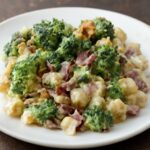
- Broccoli pasta bake: uses a simple plant-based cream sauce and pantry pasta
- Lentil shepherd’s pie: hearty and ideal for make-ahead dinners
- Sweet potato and chickpea bake: slightly sweet, savory, and balanced
- Mushroom and barley casserole: earthy, sturdy, and excellent for leftovers
- Cauliflower and white bean bake: creamy, mild, and easy to season many ways
For the best results, keep this formula in mind: starch + protein + vegetables + sauce + topping. That structure works across most vegan casserole recipes and gives you enough flexibility to use what you have.
If you are choosing just one type, start with a bean-and-grain vegan casserole for the most reliable balance of ease, texture, and protein. If you want maximum comfort, go with a potato-based bake. If you need speed, a pasta casserole is usually the fastest path to dinner.





Comments are closed, but trackbacks and pingbacks are open.