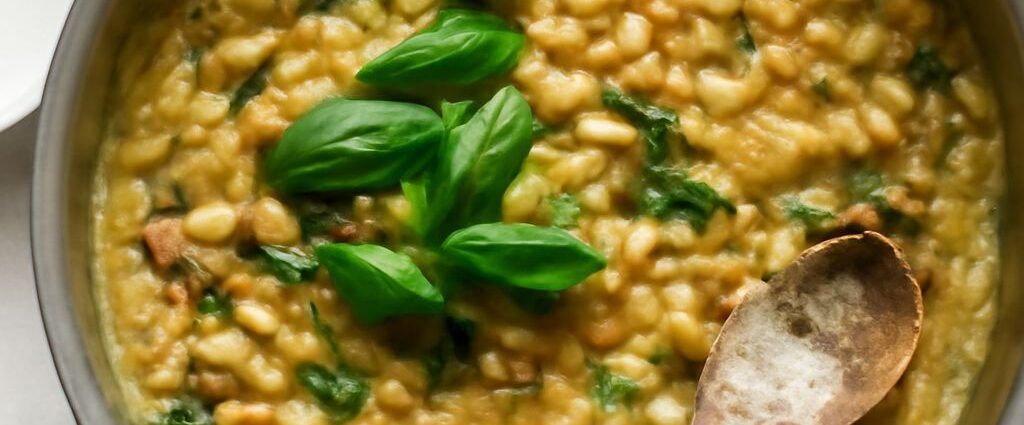
Cannellini beans recipes are a practical way to make a mild, creamy bean work in soups, salads, spreads, and simple skillet dishes. If you want a dependable pantry ingredient that takes on flavor well, cannellini beans are a good place to start.
Use them cooked or canned, then season carefully so the beans stay tender and the dish stays balanced. Their mild taste pairs especially well with garlic, herbs, olive oil, tomatoes, greens, and lemon.
What To Know
Cannellini beans are large white beans with a soft texture and a gentle, nutty taste. They hold their shape reasonably well, but they can also break down enough to thicken brothy dishes.
For most cannellini beans recipes, you can choose either canned beans or beans you cooked from dry. Canned beans are faster and convenient. Dry beans need soaking and longer cooking, but they let you control texture and salt from the start.
Before cooking, rinse canned beans well to remove excess liquid and any tinny flavor. If using dry beans, sort and rinse them first, then cook until fully tender. Undercooked beans stay firm and feel chalky, which can affect the whole dish.
Cannellini beans work best in recipes that need a mild base rather than a strong flavor of their own. They absorb broths, vinaigrettes, tomato sauces, and herb oil easily, which makes them useful for everyday plant-forward cooking.
Practical Steps for Cooking and Using Them
Start with the texture you want. For salads, keep the beans intact. For soups or spreads, let some beans soften and break apart slightly.
- Choose your bean form. Use canned beans for fast meals or cooked dry beans for fuller control.
- Rinse and drain. This improves flavor and helps seasoning stick better.
- Build flavor early. Warm olive oil with garlic, onion, rosemary, thyme, or sage before adding beans.
- Add a liquid base. Use water, stock, tomato juice, or cooking liquid as needed for soups and stews.
- Season in layers. Add salt carefully, then finish with pepper, lemon, vinegar, or herbs.
- Check the texture. Stop cooking when the beans are tender but not mushy, unless you want a thicker result.
A simple method for many cannellini beans recipes is to sauté garlic in olive oil, add beans, then stir in chopped herbs and a little broth. Finish with lemon zest or a splash of vinegar. That gives you a quick side dish, toast topping, or salad base.
For a heartier meal, combine beans with vegetables such as kale, spinach, zucchini, carrots, or tomatoes. Add them near the end if you want them to stay bright and distinct. Add earlier if you want a softer, more integrated stew.
If you want a spread, mash some of the beans with olive oil and a little cooking liquid. Keep a few whole beans for texture. This makes a simple dip or sandwich filling without needing many ingredients.
Common Cannellini Bean Recipe Variations
Many cannellini beans recipes follow a few reliable patterns. The ingredients change, but the method stays straightforward.
- Soup: Beans simmered with onion, garlic, herbs, broth, and vegetables.
- Salad: Beans tossed with lemon, olive oil, parsley, celery, red onion, or cucumber.
- Skillet beans: Beans warmed with tomato, greens, and spices for a fast dinner.
- Spread or dip: Beans blended or mashed with olive oil, garlic, and herbs.
- Grain bowl topping: Beans spooned over rice, farro, polenta, or toast with vegetables.
Italian-inspired versions often use rosemary, sage, tomato, and good olive oil. Mediterranean-style versions may add lemon, parsley, fennel, or olives. For a deeper flavor, use smoky paprika or a pinch of chili flakes, but keep the seasoning moderate so the beans do not disappear.
You can also make cannellini beans more substantial by pairing them with pasta or bread. A small amount of beans with greens and a light sauce can turn into a complete, comforting meal without much effort.
Mistakes to Avoid
The most common mistake is overcooking. Cannellini beans should be tender, not collapsed unless the recipe needs a creamy texture. Once they turn mushy, they lose their shape and can taste bland.
Another mistake is underseasoning. Beans need salt and acid to taste complete. If a dish seems flat, add a little more salt first, then finish with lemon juice or vinegar in small amounts.
Do not add strong spices too early if you are still deciding on the final flavor. Heavy seasoning can hide the bean’s mild character. Start with aromatics, taste, and adjust near the end.
Also avoid skipping the rinse step for canned beans. The liquid can make the dish cloudy and slightly off-tasting. A quick rinse usually improves both appearance and flavor.
Finally, do not crowd the beans with too many competing ingredients. Cannellini beans recipes work best when the bean stays central and the other elements support it. A few well-chosen additions often give a better result than a long ingredient list.










Comments are closed, but trackbacks and pingbacks are open.