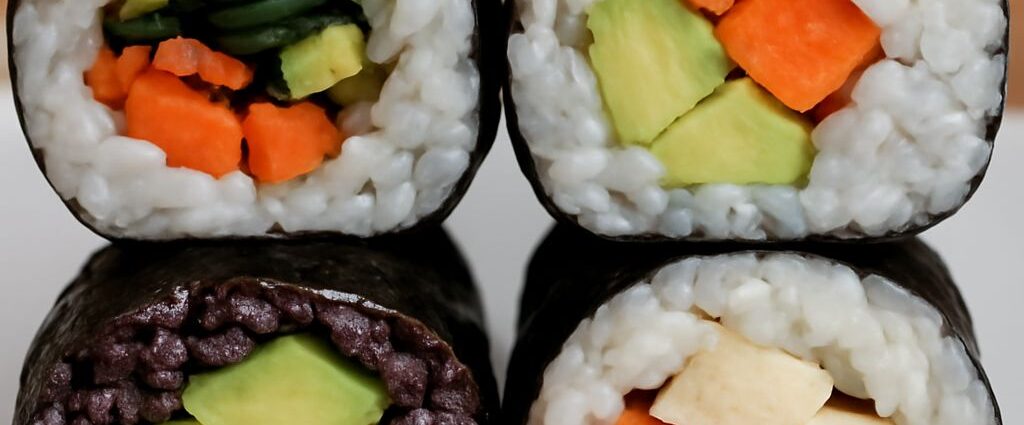
Vegan sushi rolls are a simple way to make a fresh, satisfying meal with sushi rice, nori, and crisp vegetables. They are easy to customize, work well for lunches or light dinners, and can be made with everyday ingredients.
The key is balance: seasoned rice for structure, a sturdy filling for shape, and enough moisture control to keep the roll tight. Once that is in place, you can build rolls with classic vegetables or add tofu, avocado, and pickled elements for more flavor.
What Makes These Rolls Work
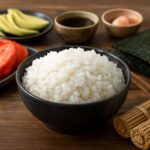
Good vegan sushi starts with properly cooked sushi rice. It should be sticky enough to hold together, but not wet. Seasoning the rice with rice vinegar, sugar, and salt gives it the familiar sushi flavor and helps keep the filling from tasting flat.
Nori sheets provide the wrap, while fillings add texture and color. Choose ingredients that slice cleanly and are not too watery. Cucumber, carrot, avocado, bell pepper, and tofu are all dependable options. If you use softer ingredients, pair them with something crisp so the roll stays defined.
For the best shape, keep the filling thin and spread it in a narrow line. Overfilling makes the roll hard to close and more likely to split.
Ingredients and Easy Variations
For basic vegan sushi rolls, you will need:
- 2 cups sushi rice, uncooked
- 2 1/2 cups water, or as directed for your rice
- 3 tablespoons rice vinegar
- 1 tablespoon sugar
- 1 teaspoon salt
- 4 to 6 nori sheets
- 1 cucumber, cut into thin strips
- 1 carrot, cut into thin strips
- 1 avocado, sliced
- 1 cup firm tofu, cooked or seasoned if desired, cut into strips
- Sesame seeds, optional
Easy variations depend on the texture you want. For a fresher roll, use cucumber, avocado, and herbs. For a heartier version, add baked tofu, marinated tempeh, or thin strips of roasted sweet potato. Pickled ginger, radish, or cabbage can add a sharper bite.
You can also make inside-out rolls by placing rice on the outside of the nori. They look different and are often finished with sesame seeds or finely chopped herbs. If you prefer simpler assembly, hand rolls are another good option and need less shaping.
How To Roll Them
Cook the rice until tender, then season it while still warm. Let it cool until it is easy to handle, but do not chill it completely before rolling. Set out the fillings and keep a small bowl of water nearby to help with sticky hands.
- Place a sheet of nori on a bamboo mat or clean work surface, shiny side down.
- Spread a thin layer of rice over the nori, leaving about 1 inch bare at the top edge.
- Arrange a small line of fillings across the lower third of the rice.
- Lift the edge closest to you and roll it over the fillings, tucking gently as you go.
- Use light pressure to shape the roll, then seal the bare edge with a little water.
- Let the roll rest for a minute before slicing with a sharp, damp knife.
If the roll opens or flattens, the most common causes are too much filling, rice that is too dry, or a dull knife. Cut with a clean sawing motion and wipe the blade between slices for neater pieces.
Serving Ideas and Storage
Serve vegan sushi rolls with soy sauce, tamari, or a mild dipping sauce if desired. Add pickled ginger, wasabi, cucumber salad, or edamame for a fuller plate. A sprinkle of sesame seeds or sliced scallions can finish the rolls neatly.
These rolls are best soon after making them, when the nori is still crisp and the rice is tender. If you need to store them, wrap the roll or sliced pieces tightly and refrigerate for up to one day. The nori will soften, so texture is best when they are fresh.
If you are packing them for later, keep wet fillings to a minimum and use firm vegetables or tofu. For the cleanest make-ahead result, store the rice and fillings separately and assemble closer to serving time.










Comments are closed, but trackbacks and pingbacks are open.