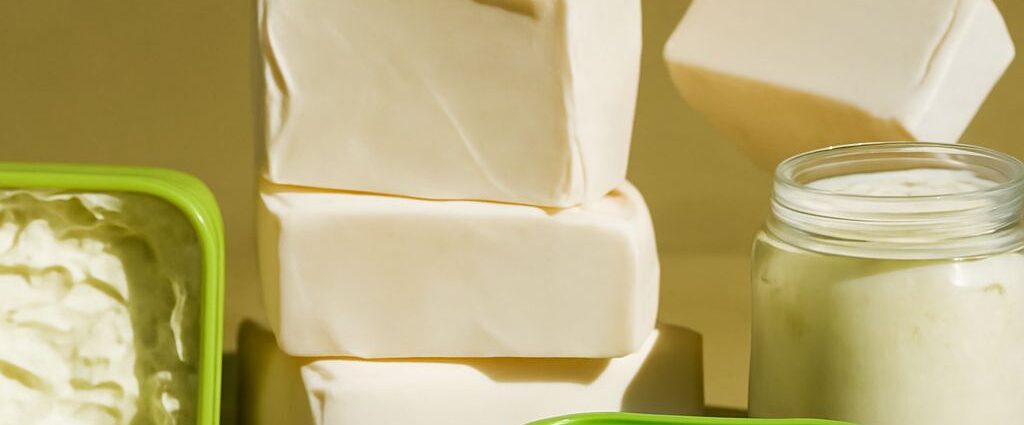
In Ingredients > Dairy-Free Swaps, the right vegan butter substitute keeps flavor, structure, and gloss without the dairy. It belongs squarely to Vegetarian And Vegan Essentials because it solves everyday cooking questions with simple, kitchen-tested swaps.
Whether you need a vegan substitute for butter for biscuits, a pan sauce, or frosting, the approach differs. This guide maps where vegan butter alternatives shine and where another swap is smarter—so you pick the best option for the dish in front of you.
Quick Comparison
Choose a vegan butter substitute by matching fat type, water content, and melt behavior to the job.
- Plant butter sticks/tubs (blends of oils): Best all-rounder. Use 1:1 by weight for baking and cooking. Sticks usually have higher fat and set firm; tubs often contain more water and air, better for spreading than laminating. Great for creaming, cookies, frostings, and finishing.
- Refined coconut oil: Neutral aroma, solid at room temp, clean melt. Good in shortbread, pie dough, and sautéing. Use about 80% oil by weight compared with dairy butter and compensate liquid separately (see Substitution Notes). Unrefined coconut oil will add coconut flavor.
- Olive or neutral oils (canola, sunflower, grapeseed): Excellent for sautéing and oil-based cakes. Oils don’t cream or trap air, so expect tender results rather than lift. Works well when recipes already use oil.
- Nut/seed butters (tahini, almond, peanut): Add richness, structure, and distinct flavor. Lovely in cookies, bars, and no-bake treats. Often best paired with a little oil to improve tenderness.
- Avocado puree: Moisture and tenderness with a mild taste. Use in brownies, quick breads, and muffins; not suited to lamination or creaming.
- Fruit purees (applesauce, banana) or vegan yogurt: Provide moisture and








Comments are closed, but trackbacks and pingbacks are open.