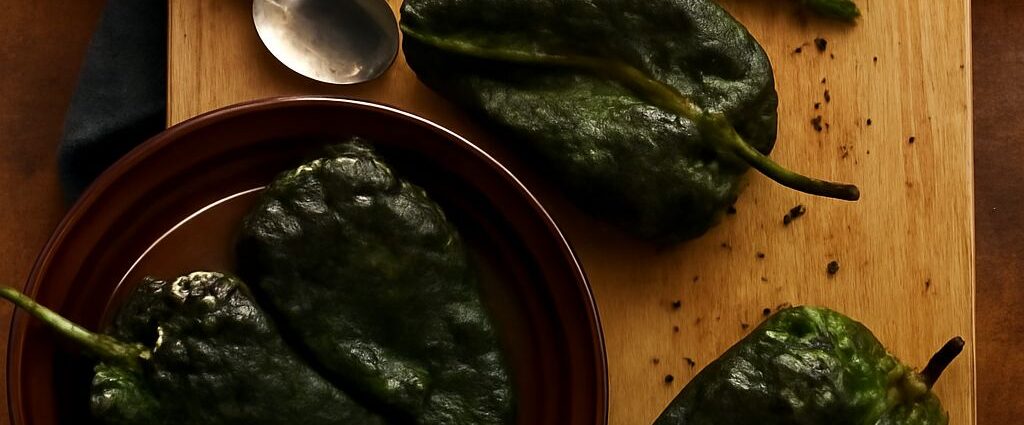
Roasted poblano peppers bring a rich, smoky depth to dishes that fresh poblanos simply can’t match. Whether you’re making roasted poblano salsas, stuffing them with cheese, or blending them into sauces, the charred exterior and tender flesh add complexity to both traditional and modern recipes. This guide covers everything you need to know about selecting, roasting, and using these versatile peppers, ensuring you get the best results every time.
Cooking poblano peppers properly unlocks their full potential, transforming their mild heat and earthy flavor into a culinary powerhouse. From simple roasting techniques to creative variations, this ingredient guide will help you master the art of preparing roasted poblano peppers for any dish.
What Is a Roasted Poblano and Why Use It?
Poblano peppers are mild chili peppers native to Mexico, known for their dark green color and slightly heart-shaped appearance. When roasted, their skin blisters and chars, intensifying their natural sweetness and adding a smoky note. This process also makes the peppers easier to peel, revealing tender flesh that’s ideal for a variety of dishes.
The roasted poblano is a staple in Mexican cuisine, often used in chiles rellenos, rajas con crema, and mole sauces. Unlike raw poblanos, which have a crisp texture and grassy flavor, roasted poblanos offer a softer, more concentrated taste that pairs well with ingredients like cheese, cream, and tomatoes. Their mild heat (typically 1,000–2,000 Scoville units) makes them accessible for most palates while still providing a subtle kick.
How to Select and Prepare Fresh Poblanos
Choosing the right poblanos is the first step to achieving the best roasted poblano results. Look for peppers that are firm, glossy, and free of soft spots or wrinkles. Their skin should be smooth and deep green, though some may have slight variations in color. Avoid poblanos with cracks or blemishes, as these can indicate age or damage.
Before roasting, rinse the peppers under cool water to remove any dirt or debris. Pat them dry with a paper towel, then trim the stems if desired—though leaving them intact can help retain moisture during cooking. If you plan to stuff the peppers later, consider cutting a small slit near the stem to remove the seeds and membranes, but this step can also be done after roasting for easier handling.
Step-by-Step Guide to Roasting Poblanos
Roasting poblano peppers is a straightforward process, but a few key techniques ensure even charring and easy peeling. Here’s how to do it:
- Direct Flame Method (Gas Stove or Grill): Place the poblanos directly over a medium-high flame, turning occasionally with tongs until the skin is evenly blackened and blistered. This method takes about 8–10 minutes and imparts the most smoky flavor.
- Broiler Method: Arrange the peppers on a baking sheet lined with foil and place them under a preheated broiler. Broil for 5–7 minutes per side, turning as needed, until the skin is charred. This method is ideal for those without a gas stove.
- Oven Roasting: Preheat the oven to 450°F (230°C). Place the poblanos on a baking sheet and roast for 20–25 minutes, turning halfway, until the skin is blistered and slightly blackened. This method is less smoky but still effective.
Once the peppers are charred, transfer them to a bowl and cover with a lid or plastic wrap. Let them steam for 10–15 minutes—this loosens the skin, making it easier to peel. After steaming, gently rub off the charred skin under running water or with a paper towel. Avoid soaking the peppers, as this can wash away flavor.
Common Variations for Cooking Poblano Peppers
While roasting is the most popular way to prepare poblanos, there are other methods to explore when cooking poblano peppers. Each technique offers a different texture and flavor profile, allowing you to adapt the peppers to various dishes.
- Blistering: Quickly char the peppers in a dry skillet over high heat, turning frequently until the skin blisters. This method is faster than roasting and works well for salsas or garnishes.
- Boiling or Simmering: Submerge poblanos in boiling water for 5–7 minutes until tender. This method softens the peppers without adding smokiness, making them ideal for soups or stews.
- Grilling: Grill poblanos over medium-high heat, turning occasionally, until the skin is charred. This method adds a deeper smoky flavor and is perfect for outdoor cooking.
- Drying (Ancho Chiles): Poblanos can be dried to create ancho chiles, which are used in sauces like mole. To dry, roast the peppers first, then hang them in a dry, well-ventilated area until fully dehydrated.
For those who prefer a milder approach, removing the seeds and membranes before cooking poblano peppers reduces heat while preserving flavor. Conversely, leaving them intact adds a subtle spiciness that can enhance certain dishes.
Mistakes to Avoid When Roasting Poblanos
Even experienced cooks can make mistakes when preparing roasted poblano peppers. Here are some common pitfalls and how to avoid them:
- Under-Charring the Skin: If the skin isn’t fully blistered, it won’t peel easily. Ensure the peppers are evenly charred before steaming.
- Over-Soaking After Roasting: Soaking the peppers in water can dilute their flavor. Instead, peel them under running water or use a paper towel to rub off the skin.
- Skipping the Steaming Step: Steaming is crucial for loosening the skin. Without it, peeling becomes tedious and may damage the pepper’s flesh.
- Using High Heat for Too Long: Over-roasting can turn the peppers mushy. Monitor them closely and remove them from heat once the skin is blistered.
- Not Removing Membranes Properly: Leaving membranes intact can make the peppers bitter. Take care to remove them after roasting if you prefer a milder flavor.
By avoiding these mistakes, you’ll ensure your roasted poblano peppers are flavorful, tender, and easy to work with in any recipe.
Ways to Use Roasted Poblanos in Recipes
Roasted poblanos are incredibly versatile and can elevate a wide range of dishes. Here are some popular ways to incorporate them into your cooking:
- Chiles Rellenos: Stuff roasted poblanos with cheese, batter, and fry them for a classic Mexican dish. The smoky flavor pairs perfectly with melted cheese and a light tomato sauce.
- Rajas con Crema: Slice roasted poblanos into strips (rajas) and sauté them with onions, cream, and cheese for a creamy, smoky side dish or taco filling.
- Salsas and Sauces: Blend roasted poblanos with tomatoes, garlic, and cilantro for a smoky salsa or incorporate them into enchilada sauce for added depth.
- Soups and Stews: Add diced roasted poblanos to posole, tortilla soup, or chili for a subtle smoky note and mild heat.
- Tacos and Quesadillas: Use roasted poblanos as a filling for tacos or quesadillas, pairing them with beans, cheese, or shredded meat.
- Dips and Spreads: Mix roasted poblanos into guacamole, hummus, or cream cheese for a smoky twist on classic dips.
When cooking poblano peppers, consider their texture and flavor in relation to other ingredients. Their mild heat and smokiness make them a great complement to rich, creamy, or tangy elements in a dish.
Related Ingredient Guides and Cooking Techniques
If you enjoyed learning about roasted poblano peppers, explore these related guides to expand your culinary skills:
- How to Roast Other Peppers: Discover techniques for roasting jalapeños, bell peppers, and serranos for different levels of heat and flavor.
- Making Homemade Chili Powders: Learn how to dry and grind peppers, including poblanos, to create custom spice blends.
- Mastering Mexican Sauces: Dive into recipes for salsa verde, mole, and adobo, all of which can incorporate roasted poblanos.
- Vegetarian Stuffed Pepper Recipes: Find inspiration for stuffing poblanos with grains, cheese, and vegetables for hearty, flavorful meals.
- Grilling and Charring Techniques: Explore methods for achieving the perfect char on vegetables, from peppers to corn and beyond.
Understanding how to work with poblanos opens the door to a world of flavorful dishes. Whether you’re cooking poblano peppers for the first time or refining your technique, these guides will help you make the most of this versatile ingredient.
Bottom line: Roasted poblano peppers are a game-changer in the kitchen, offering a smoky, mild heat that enhances countless recipes. By mastering the selection, roasting, and preparation techniques, you can unlock their full potential and elevate your cooking. Whether you’re making salsas, stuffing them, or blending them into sauces, roasted poblanos bring depth and complexity to any dish—without overwhelming the palate.







Comments are closed, but trackbacks and pingbacks are open.