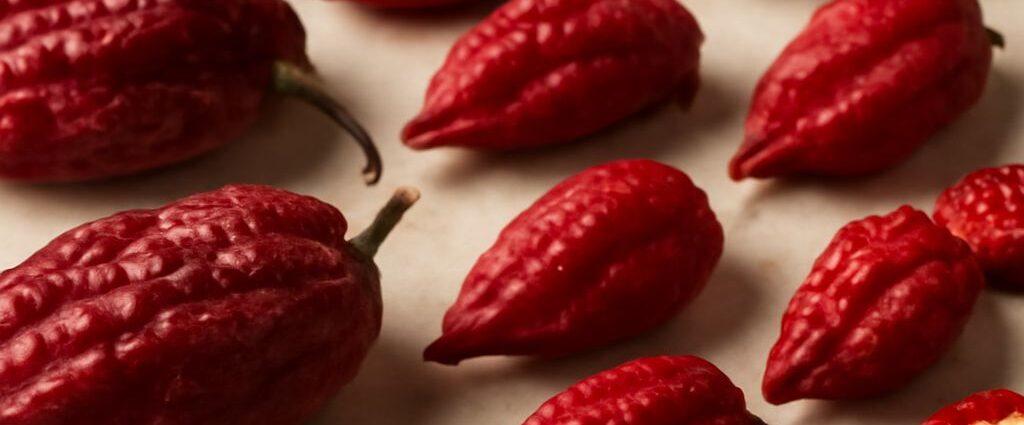
Start with a mild, unsmoked paprika if you have one: it is often the closest replacement for sweet paprika in an ordinary savory dish. Check the label and taste a little first, because heat and flavor vary between products.
If that bottle is missing too, the right alternative to paprika depends on the job. A smoky powder can add color to beans but change their flavor; a mild ground chile can bring fruitiness without matching the original exactly. Begin with less, then adjust after tasting.
Paprika Alternative: Compare the Options
A sweet paprika substitute should contribute a gentle pepper flavor and red color without introducing more heat than you want. “Sweet” describes a mild style rather than a sugary seasoning. The spice is made from dried peppers, and the variety and processing influence its flavor.
A useful substitute for sweet paprika is a mild, unsmoked paprika whose label does not identify it as hot. For a recipe calling for 1 teaspoon, start with 1 teaspoon if you know your bottle is mild. If its heat or strength is uncertain, start with 1/2 teaspoon and taste the cooked dish before adding more. This is a starting point for ordinary cooking, not a promise that two jars will taste identical.
What can I substitute for paprika if only smoky or spicy powders are available? Choose according to the dish: mild smoked paprika can work in a smoky bean stew, while a pinch of hot paprika can provide some color and pepper flavor when heat is welcome. The smaller amount matters, because neither behaves like a perfectly mild, unsmoked powder.
| Option | Practical starting point for 1 teaspoon sweet paprika | Main tradeoff |
|---|---|---|
| Mild, unsmoked paprika | Up to 1 teaspoon if known to be mild | Flavor varies by bottle |
| Mild smoked paprika | 1/4 to 1/2 teaspoon | Adds smoke |
| Mild ancho chile powder | 1/2 teaspoon | Fruitier flavor; heat varies |
| Hot paprika or cayenne | A small pinch | Much more heat, less color at that amount |
| Chili powder blend | 1/4 to 1/2 teaspoon | Other spices and sometimes salt |
Choose a paprika alternative for a pot of soup, beans, or vegetables that can be tasted and adjusted. Start even more cautiously for a small batch or anyone sensitive to heat. Check the ingredient list: in the United States, a product labeled chili powder is often a blend, while a single ground chile may be sold under a specific pepper name.
Sweet, hot, and smoked are different
Sweet paprika brings mild pepper flavor and color; hot paprika brings heat as well. Smoked paprika is made from smoked peppers and carries a distinct smoky note. These descriptions can overlap: a smoked product can also be sweet or hot. The Spice House’s paprika guide lists both smoked sweet and smoked hot varieties, so read the whole label rather than assuming “smoked” means mild.
For a creamy potato soup or a delicate bean dip, an unsmoked mild powder keeps the flavor closer to the intended result. For roasted vegetables or a tomato-based stew, a little smoke may be welcome. McCormick describes its smoked paprika as made from smoked, dried sweet peppers; other bottles can differ in heat and intensity.
Paprika also contributes color, but color is not a reliable measure of heat. A bright red powder may be mild or fiery. Smell the spice, read the label, and use a small amount in the food first. Do not assume that a teaspoon of one red powder will give the same flavor or heat as a teaspoon of another.
Mild ground chiles: ancho and similar choices
Ancho chile powder can be a useful option when a gentle, fruity dried-pepper flavor suits the recipe. Begin with 1/2 teaspoon for each teaspoon called for, then taste. It may be darker and fruitier than sweet paprika, and its heat varies by product. Look for a single-ingredient ground ancho rather than a blend if you want more control over the seasonings.
For a replacement for sweet paprika in black beans, add the smaller amount while the beans simmer, stir well, and taste the warm mixture. If the flavor needs more depth and the heat is comfortable, add another small pinch. The result will taste like ancho rather than an exact copy, which can be a pleasant choice in a dish that already welcomes chile.
When smoked paprika makes sense
If the recipe needs a smoky accent, use mild smoked paprika as a starting point. In a pan of roasted chickpeas calling for 1 teaspoon of the sweet, unsmoked spice, try 1/4 to 1/2 teaspoon of a mild smoked version. Toss it with the other seasonings and oil before roasting, then adjust a small portion after cooking if needed.
The tradeoff is clear: the color can be appealing, but smoke will be part of the finished dish. That can be especially welcome with mushrooms, roasted carrots, or a barbecue-style sauce. In a pale yogurt-based sauce, however, even a little smoke may dominate. For a vegan dish, use a plain plant-based yogurt if choosing that kind of sauce.
If the bottle says hot smoked paprika, treat it as both a smoky and a hot ingredient. Begin with a pinch, mix thoroughly, and taste. Adding heat is easy; removing it from a whole pot is considerably harder. Keep the bottle handy until the end so you can add a little more deliberately.
Hot paprika, cayenne, and chili blends
Hot paprika and cayenne are choices when you want heat, but they cannot supply a full teaspoon of mild pepper flavor without potentially making the food much spicier. Start with a small pinch, particularly in a dip or a dish served to children. If the color is too pale, do not keep adding heat just to make the plate redder.
A chili powder blend can work in lentil chili, tacos, or roasted vegetables because its other flavors may already fit. The Spice House describes chili powder as a blend that can include ground chiles, paprika, cumin, garlic, and oregano. Ingredients vary; some blends also contain salt. Read your own label and reduce other seasonings at first if they are already present.
For 1 teaspoon of the original spice, try 1/4 teaspoon of the blend in a small pot, stir, and taste before adding more. If the blend includes paprika, it may provide color as well as pepper flavor; cumin or garlic will make the overall dish taste different. A blend is less suitable for a recipe in which paprika is the quiet main flavor, such as a delicate cream sauce.
Match the replacement to the dish
For a vegetable stew, the best way to replace sweet paprika is usually an unsmoked mild powder if you have it. Add it with the other spices and give it a brief stir in the oil or liquid as the recipe directs. Avoid leaving ground paprika unattended in a very hot, dry pan, where it can scorch and taste bitter.
For hummus or another dip, start small and taste after mixing. A little unsmoked paprika can supply the familiar reddish finish; ancho changes the flavor and may darken the color. If the spice is only a garnish, you can also leave it out and use chopped parsley or a drizzle of olive oil for a different finish. Neither will reproduce paprika’s taste, but both can make the plate inviting.
If a recipe is designed around a large amount of sweet paprika, such as a paprika-forward stew, the choice matters more. Another mild, unsmoked paprika is the closest starting point. Otherwise, consider making the dish when you can obtain the intended spice, or accept that the result will be a different interpretation rather than an exact match.
Check freshness and seasoning
Spices lose aroma over time. McCormick’s storage guidance recommends keeping them away from heat, light, and moisture and avoiding shaking a jar directly over a steaming pot. A faint, stale powder may not bring much flavor even if it is the correct variety; smell a small pinch before relying on it.
Use a clean, dry spoon and close the jar after measuring. If a seasoning blend contains salt, taste the dish before adding the full amount of salt called for elsewhere. If the replacement is hotter than expected, distribute a little of the sauce over more unsalted beans or vegetables where that makes sense; avoid promising that a specific ingredient will magically remove the heat.
When choosing what to use instead of paprika, ask three questions: Does the dish need a mild pepper taste, a red finish, or a smoky accent? How much heat can the people eating it enjoy? Does the bottle contain salt or other spices? Those answers will guide you more reliably than a single swap for every recipe.
A mild unsmoked powder is the closest fit for a subtle sauce. A small amount of smoked paprika suits beans and roasted vegetables when smoke is welcome; ancho offers a fruitier direction. Start cautiously, taste in the context of the meal, and keep the ingredient that makes that particular dish taste good.





Comments are closed, but trackbacks and pingbacks are open.