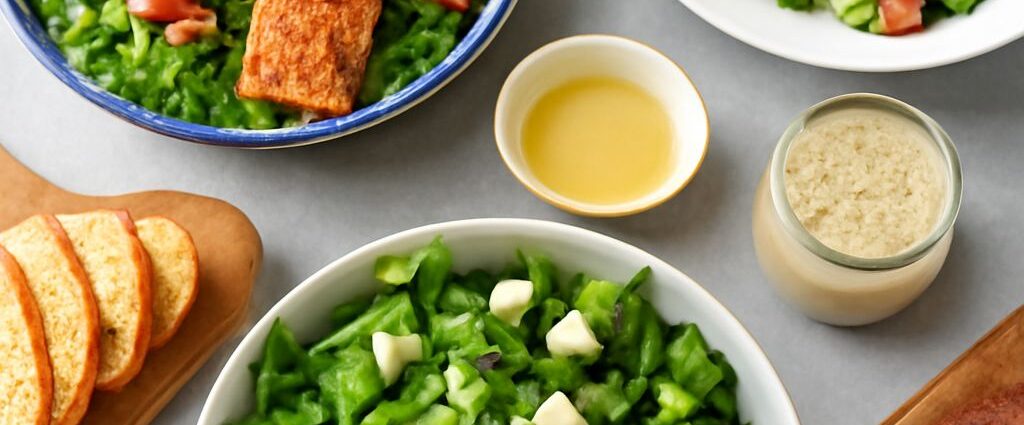
A person who eats mostly vegetarian meals may also eat meat or fish occasionally. The phrase describes a flexible pattern, not a fixed list of permitted foods or a specific number of meatless days.
Someone who eats a partly vegetarian diet might make beans, grains, and vegetables the basis of everyday meals while choosing an occasional meal with chicken or fish. Ask what the person actually eats when you need to plan a meal: the label alone does not settle every ingredient.
Semi-vegetarian eating and its flexible boundaries
The term semi-vegetarian often overlaps with “flexitarian.” Both commonly describe a way of eating that emphasizes plant foods while leaving room for some meat, poultry, or seafood. A British Dietetic Association guide to vegetarian diets describes semi-vegetarians or flexitarians as people who occasionally eat meat or poultry.
There is no single schedule built into either word. A semi vegetarian might describe their choices differently from another person. One person may eat vegetarian meals most days and choose fish sometimes. Another may eat a small amount of meat in a family dish but choose beans or tofu when cooking at home. Both might use the same label, even though their shopping lists look different.
A partial vegetarian may use the phrase in a similar way: the person’s meals are vegetarian some or most of the time, while their overall eating pattern can include meat or fish. It is a personal description rather than a precise menu. If the difference matters for a shared meal, ask about the ingredients rather than trying to infer a rule from the name.
These labels can also describe a change in habits without defining a destination. Someone may be exploring more plant-based meals, responding to family preferences, or simply enjoying a wider range of foods. There is no need to guess a person’s reason or assume they intend to become fully vegetarian.
How is this different from vegetarian eating?
A vegetarian diet excludes meat, poultry, fish, and seafood. Many vegetarians eat dairy products and eggs, while others avoid one or both. A vegan diet excludes animal-derived foods altogether. The NHS description of a vegetarian diet makes the distinction clear: a diet that includes meat or fish is not vegetarian, even if many individual meals are.
A bowl of lentil soup made with vegetable broth can be a vegetarian meal. A bowl made with chicken broth contains an animal ingredient and is not vegetarian. Likewise, a salad with beans and vegetables can be vegetarian, while adding fish makes that particular dish nonvegetarian. A person who follows a flexible pattern may enjoy either, depending on their preferences.
Some people use “pescatarian” for an eating pattern that includes fish and seafood but excludes other meat. That differs from vegetarian eating, and it does not tell you whether someone eats eggs or dairy. The useful question at the table remains practical: which ingredients should go into this dish?
| Description | General meaning | What to clarify |
|---|---|---|
| Vegetarian | No meat, poultry, fish, or seafood | Whether eggs and dairy are included |
| Vegan | No animal-derived foods | Specific ingredients or other restrictions |
| Pescatarian | Fish or seafood may be included; other meat is excluded | Eggs, dairy, and particular seafood |
| Flexitarian | Mostly plant-focused eating with some animal foods | Which foods and how often |
These are descriptions of patterns, not guarantees about a specific prepared product. A vegetable soup can still contain meat stock, and a cheese may contain animal-derived rennet. Read the ingredient list or ask the cook when a dish needs to meet a particular requirement.
What might a flexible day of meals look like?
A semi vegetarian diet can take many forms. The following examples show the range; they are illustrations, not a meal plan or a target to follow.
- Breakfast: oatmeal with berries, walnuts, and dairy or fortified soy milk; or toast with avocado and a boiled egg.
- Lunch: a chickpea and cucumber pita with tahini sauce, or a rice bowl with tofu, greens, and sesame dressing.
- Dinner: lentil and tomato pasta with a green salad; or a vegetable stir-fry with tofu and rice.
- Another occasion: a person who includes fish might have salmon with potatoes and broccoli. That meal contains fish and is not vegetarian, although it can fit that person’s broader flexible pattern.
The examples share an emphasis on ingredients such as vegetables, beans, grains, nuts, and fruit. They do not require every plate to look the same. A household may have a favorite tomato sauce, a pot of beans in the refrigerator, and a few different toppings at the table. That makes it easier for each person to build a meal that suits them.
A mostly vegetarian eating pattern that includes occasional meat can also include familiar foods rather than entirely new recipes. Try a bean chili, vegetable fried rice made with egg, or a baked potato topped with lentils and salsa. Use vegetable broth in the shared pot if everyone at the table wants a vegetarian base, and serve any meat or fish separately for those who choose it.
Making plant foods satisfying
When a meal centers on vegetables, include something substantial alongside them. Beans, lentils, tofu, tempeh, eggs, yogurt, nuts, and seeds can contribute protein, depending on what you choose to eat. Grains and potatoes add another satisfying element, while olive oil, avocado, or a sauce can bring richness and flavor.
Think of a grain bowl as a practical template: start with cooked rice or farro, add chickpeas or tofu, then add roasted vegetables and a lemon-tahini dressing. Change the seasoning to suit what is in the refrigerator. The same components can become a wrap the next day, with greens for crunch and a spoonful of sauce to hold everything together.
A flexible, mostly vegetarian diet that allows occasional meat or fish still benefits from variety. Beans and lentils offer a different mix of nutrients from leafy greens, fruit, nuts, and grains, so include a range of foods over time. If animal foods become uncommon, pay particular attention to reliable sources of nutrients such as vitamin B12 and iron. Fortified foods and supplements may be relevant depending on the rest of the diet; a registered dietitian can help with individual needs.
There is no need to treat an occasional nonvegetarian meal as a failure of a flexible approach. The phrase is useful when it accurately describes a largely vegetarian pattern with occasional meat or fish. If it causes confusion, a plain explanation such as “I usually eat vegetarian meals but sometimes eat fish” communicates much more at a dinner table.
Shopping and cooking for different preferences
For a shared meal, build a base that everyone can eat and offer additions separately. A pot of rice, roasted vegetables, black beans, and salsa works for many preferences. Put cheese, yogurt, or other toppings in separate dishes and give each one its own spoon. If someone avoids animal foods entirely, check the rice seasoning, sauces, and tortillas as well as the obvious toppings.
At the grocery store, labels can save time, but they answer only the question they were designed to answer. A package marked “plant-based” may still need an ingredient check if a guest avoids eggs or milk. A soup labeled “vegetable” may use chicken stock. Look at the ingredient list for stock, gelatin, fish sauce, or other ingredients relevant to the people you are feeding.
When adapting a family favorite, change one component at a time. Replace meat in a tomato sauce with lentils or crumbled tofu, then adjust the seasoning after it simmers. In tacos, use black beans and sautéed mushrooms as the filling. Add a squeeze of lime or a spoonful of salsa at the end to bring the flavors together. The point is a dish that tastes good on its own and makes sense for the people at the table.
Ordering and inviting guests
At a restaurant, ask, “Does this dish contain meat, fish, or a broth made from either?” Add a question about eggs or dairy if those matter to you. If a guest describes their eating as partly vegetarian, ask which animal ingredients they eat and whether they have allergies. Their answer gives you the details needed to order or cook with confidence.









Comments are closed, but trackbacks and pingbacks are open.