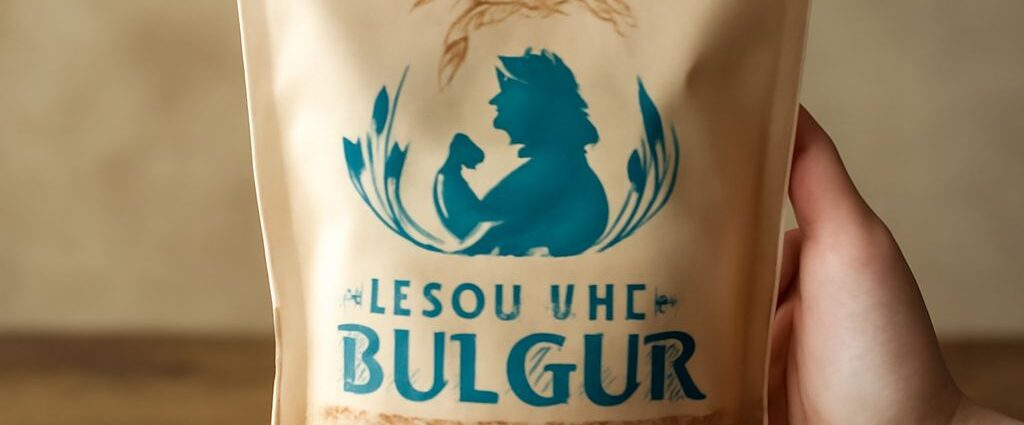
Bulgur is wheat, so it contains gluten. Quinoa and rice come from different plants and are naturally gluten-free, although the specific packaged product and how it is handled still matter if you need to avoid gluten.
If you are checking whether bulgur wheat is safe on a gluten-free diet, choose another ingredient rather than trying to rinse or cook the gluten away. A separately labeled gluten-free grain can fill a similar role in a salad or pilaf, with a few changes in cooking and texture.
Is Bulgur Wheat Gluten Free? The Direct Answer
Is bulgur wheat gluten free? No. Bulgur is made from wheat, and wheat contains gluten. Steaming, boiling, drying, cracking, or soaking the grain does not turn it into a gluten-free food. If a meal contains ordinary bulgur, it is not suitable for someone who must avoid gluten.
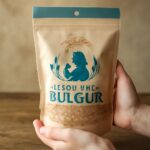
The Whole Grains Council describes bulgur as wheat that has been cooked, dried, milled, and sorted by size. This processing helps it prepare relatively quickly, but it remains wheat. It may be labeled simply “bulgur,” “bulgur wheat,” or listed as an ingredient in a grain mix.
Is bulgur gluten free when it is organic or sold as a whole grain? Those descriptions relate to production or the grain’s form; neither changes its wheat identity. Fine and coarse versions also contain gluten. The size determines how the grains are used and prepared, not whether they contain the protein.
What bulgur brings to a dish
Bulgur has a mild, nutty flavor and a pleasantly chewy texture. Fine grades soften quickly and are often used in herb-filled salads. Coarser grains can provide more bite in pilafs, soups, and stuffed vegetables. Depending on the grade and package directions, it may be soaked or simmered before it is folded into other ingredients.
Its convenience can make it easy to overlook the underlying grain. Couscous can be confusing in a similar way: ordinary couscous is usually made from wheat semolina, even though it looks like tiny grains. Read the ingredient list rather than judging by shape or color. Products made from other ingredients exist, but the particular package must tell you what it contains.
For a gluten-free meal, identify the role you want to replace. In a parsley-and-tomato salad, a small, separate grain provides texture without dominating the herbs. In a warm pilaf, a firmer grain can absorb seasonings and support vegetables or beans. These are culinary similarities; alternatives have their own cooking times and flavors.
Read the label on the alternative
Quinoa, rice, millet, and buckwheat are naturally gluten-free ingredients. That does not guarantee that every bag, blend, or prepared dish is free of gluten cross-contact. Grains can come into contact with wheat, barley, or rye during harvesting, transport, processing, or preparation. Choose a packaged alternative labeled gluten-free and inspect the full ingredient list, particularly for seasoned mixes.
In the United States, the FDA’s gluten-free labeling rule sets requirements for foods carrying that claim, including less than 20 parts per million of unavoidable gluten. The label is a regulated claim, not a promise of absolute zero. If you have celiac disease or another reason for strict avoidance, discuss individual needs with your healthcare professional and contact a manufacturer when you need more information about a product.
A “wheat-free” statement alone is not the same as a gluten-free claim: barley and rye also contain gluten. Check sauces and broth as well as the grain. Ordinary soy sauce may contain wheat, and a seasoned rice blend may contain ingredients that need a closer look. Select alternatives with labels appropriate to your needs.
At a self-service counter or restaurant, ask which grain is used and how it is prepared. A salad described as quinoa can still share a spoon or preparation surface with a wheat salad. The Celiac Disease Foundation notes cross-contact concerns with bulk bins; packaged products and clear preparation information give you more to evaluate.
Choose a substitute for the meal
Quinoa for a light grain salad
Cooked quinoa has small, separate grains and a delicate nutty flavor. It works well with parsley, tomatoes, cucumber, lemon, and olive oil in a salad inspired by tabbouleh. The texture is softer than bulgur and the flavor is its own, but it carries fresh herbs well.
Rinse and cook it according to the package, then let it cool before tossing with vegetables. Fluff it with a fork and spread it on a clean tray if you want it to cool quickly. For four side servings, begin with about 2 cups cooked quinoa, 1 cup chopped parsley, 1 cup diced cucumber and tomato, 2 tablespoons lemon juice, and 1 tablespoon olive oil. Season to taste and add lemon gradually so the salad stays fluffy.
Rice for pilaf and stuffed vegetables
Brown rice offers a firmer chew and nuttier flavor; white rice is milder and cooks more quickly. Either can support sautéed onion, mushrooms, and herbs in a pilaf. Use a labeled gluten-free package if that is required, and cook according to its directions before adding it to a filling.
For four peppers or squash halves, combine about 2 cups cooked rice with cooked vegetables, beans, and seasonings. The vegetables and rice should be ready to eat before stuffing; bake according to a recipe for the particular vegetable. Rice absorbs liquid differently from bulgur, so add broth by the spoonful if the filling looks dry rather than using the same liquid ratio automatically.
Millet or buckwheat for a different bite
Millet cooks into small grains that can be fluffy or softer depending on the method and amount of water. Buckwheat groats have a more pronounced earthy flavor; despite the name, buckwheat is not wheat. Both can work in warm bowls, but neither tastes exactly like the original grain.
Choose a package labeled gluten-free and follow its cooking instructions. Try a small batch first, then add roasted vegetables and a lemon dressing. Toasted buckwheat can be especially assertive, so use a lighter hand with other strong flavors until you know how it tastes. A grain swap is an opportunity to adjust the dish, not an exam with only one passing answer.
Cauliflower for a vegetable base
Finely chopped cauliflower can give a salad or skillet dish a small, grain-like texture without adding a grain. Use fresh florets or a plain frozen product, and check seasonings on packaged mixes. Sauté briefly for a tender-crisp result or use it raw in a salad if you prefer.
Cauliflower releases moisture, so cook it in a wide pan and let excess liquid evaporate before adding dressing. It is lighter and less chewy than wheat-based grains. For a more substantial meal, add chickpeas, lentils, or tofu as well as the vegetables.
Adjust a recipe rather than swapping the cooking instructions
If a recipe calls for dry bulgur to soak in hot broth, do not assume another grain will soften in the same way. Rice, quinoa, and millet have their own liquid ratios and cooking times. Cook the substitute separately according to its package, then measure the cooked amount needed for the dish. This keeps the vegetables from overcooking while you wait for a grain that needs more time.
Start with a similar volume of cooked substitute and adjust by texture. For a chopped salad, use a little less quinoa at first so the herbs and vegetables remain prominent. For a stuffed vegetable, add enough cooked grain to make a spoonable filling, but avoid packing it tightly. If it is too loose, cook off excess moisture; if dry, add a spoonful of labeled gluten-free broth.
Dressings need their own check. Lemon juice, olive oil, and fresh herbs are simple building blocks, but prepared dressings and spice blends can contain additional ingredients. Read each label and use clean utensils. A grain that starts out suitable can pick up crumbs from a shared colander, cutting board, or serving spoon.
Keep preparation and serving separate
At home, wash pans, strainers, boards, and utensils before preparing a gluten-free meal. Use a clean serving spoon and keep the dish away from wheat-containing foods. If you share a kitchen, set out the gluten-free portion before serving foods that contain gluten and avoid dipping a used utensil into both dishes. These practical steps reduce opportunities for cross-contact; they cannot establish a guarantee about every ingredient or kitchen.
When eating out, ask the staff what is in the dish, whether the grain or dressing contains wheat, barley, or rye, and how shared equipment is handled. If the answer is unclear, choose a dish and preparation the kitchen can explain. A menu description alone may not list every ingredient in a stock or sauce.
For a fresh herb salad, choose packaged quinoa labeled gluten-free; for a warm stuffed vegetable, choose labeled gluten-free rice. Cook the selected grain separately, use clean equipment, and check the other ingredients before combining the meal.




Comments are closed, but trackbacks and pingbacks are open.