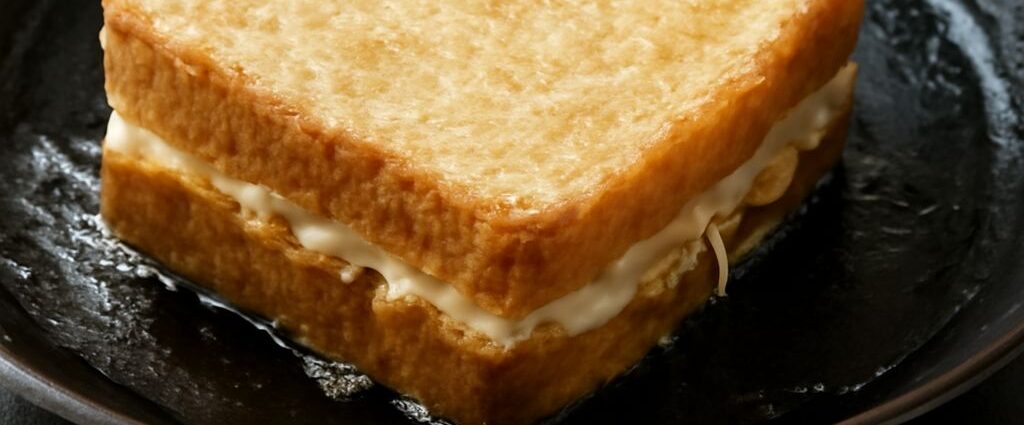
Lard is a traditional cooking fat made from rendered pork fat, prized for its versatility, neutral flavor, and ability to produce flaky, tender baked goods. With centuries of culinary history, lard has played a central role in kitchens around the world, from rustic European bakeries to Southern American kitchens. Understanding what lard is, what it is used for, and how to cook with it can open up new possibilities in your home cooking, whether you’re baking, frying, or seeking authentic flavors in classic recipes.
What Is Lard?
Lard is the fat rendered from the fatty tissues of pigs. It is produced by slowly heating pork fat—usually from the belly, back, or around the kidneys—until the fat melts, then straining out the solids. The result is a creamy, spreadable fat with a mild, clean flavor. Unlike butter or vegetable shortening, lard contains no dairy and is almost entirely composed of fat, making it shelf-stable when rendered and stored properly.
Throughout history, lard was one of the most common cooking fats, valued for its affordable cost and high smoking point. It is solid at room temperature but softens easily, making it ideal for spreading, frying, or mixing into doughs. While lard fell out of favor during the rise of hydrogenated vegetable shortenings in the 20th century, it has experienced a revival among chefs and home cooks seeking natural, minimally processed ingredients.
The quality and characteristics of lard depend on which part of the pig the fat comes from and the rendering method. Pure lard has little pork flavor, making it suitable for both sweet and savory dishes. It is a natural source of monounsaturated fats and contains no trans fats if properly rendered. This combination of taste, texture, and cooking properties makes lard a unique and useful fat in the kitchen.
Lard is distinct from other pork fats like bacon grease, which retains a strong smoked and salty flavor. Instead, lard is neutral and clean-tasting, providing richness without overpowering other ingredients. For many recipes, especially those seeking flakiness or crispiness, lard is a secret weapon that offers superior results compared to other fats.
Different Types of Lard
Not all lard is the same. The type you choose can influence both the flavor and texture of your recipes. The main types of lard available to cooks are:
- Rendered Lard: The most common type, made by heating pork fat until it liquefies and straining out impurities. Commercially available rendered lard is often deodorized and sometimes hydrogenated for shelf stability, but high-quality butcher or homemade lard is minimally processed for better flavor and texture.
- Leaf Lard: Considered the premium variety, leaf lard is rendered from the fat surrounding a pig’s kidneys and loins. It is prized for its exceptionally mild flavor and fine, creamy texture, making it the top choice for pastries, biscuits, and pie crusts where pure texture and subtlety are important.
- Back Fat Lard (Fatback): Sourced from the layer of fat along a pig’s back, this lard has a slightly porkier flavor and is often used in sausage-making, frying, or savory baking. It delivers a bit more richness and can be rendered at home or found in specialty markets.
- Processed Lard: Some commercial brands add preservatives or hydrogenate the fat for a longer shelf life. While convenient, these lards can be less desirable for baking due to a waxy texture or off flavors. Always check labels and, if possible, source lard from a butcher or make it yourself for the best results.
When choosing lard, consider your intended use. Leaf lard’s purity is ideal for desserts, while back fat or blended lard is suited for frying and savory applications. Home rendering lets you control the process, ensuring a fresher, more flavorful result. Many specialty butchers and farmers’ markets sell pure lard, and the difference in quality is noticeable, particularly in delicate baked goods.
Lard can be purchased in blocks, tubs, or jars. Look for lard that is white and smooth, with a clean aroma. Yellowish or strong-smelling lard may be old or improperly rendered. Homemade lard can be stored in the refrigerator for several months or frozen for longer-term use without loss of quality.
Ultimately, the choice of lard type comes down to the dish you’re preparing and personal preference. For those seeking the flakiest pie crusts or the crispiest fried chicken, leaf lard or minimally processed rendered lard offers the best results.
What Is Lard Used For?
Lard’s uses in cooking are extensive, spanning baking, frying, and even spreading. Its key advantage is delivering unique textures and flavors that can’t be matched by other fats. Here are the most common ways lard is used in the kitchen:
- Baking: Lard is legendary for producing ultra-flaky and tender pie crusts, biscuits, and pastries. Its unique fat crystals create layers in dough that yield a melt-in-your-mouth effect. Many classic recipes, such as Southern buttermilk biscuits and empanadas, rely on lard for their signature texture.
- Frying: Because lard has a high smoke point (around 370°F/188°C), it is perfect for deep frying and pan-frying. It creates golden, crispy exteriors on fried chicken, doughnuts, and potatoes, while imparting a subtle richness without overpowering flavors.
- Sautéing and Roasting: Lard can be used in place of oil or butter for sautéing vegetables, searing meats, or roasting root vegetables. It imparts a mild flavor, excellent browning, and a rich mouthfeel.
- Spreading and Flavoring: In some traditional cuisines, especially Eastern European and Mexican, lard is spread on bread or tortillas, often with a sprinkle of salt or herbs. It’s also used to flavor beans, stews, and confit dishes.
- Sausage and Charcuterie: Lard is essential in sausage-making, providing moisture and binding, which results in a juicy, tender product. It’s also used in pâtés, rilletes, and other preserved meats where fat is needed for texture and preservation.
In global cuisines, lard is a foundational fat. In Mexico, it gives authentic tamales their signature texture. In Central and Eastern Europe, lard is used in breads and dumplings. Southern American cooking relies on lard for biscuits and cornbread. Even classic French cooking incorporates lardons—small cubes of lard or pork fat—into salads, stews, and sauces for richness and flavor.
While many modern recipes substitute vegetable shortenings or oils, returning to lard can transform the final result. Its performance in pastry is unmatched: pie crusts made with lard are notably flakier than those made with butter or shortening alone. In frying, lard’s stability at high temperatures means lighter, less greasy results compared to many plant-based oils.
Using lard for cooking is also a nod to nose-to-tail eating and reduces waste in the kitchen. By rendering lard at home, you use parts of the animal that might otherwise be discarded, honoring traditional cooking methods and enhancing sustainability in your food choices.
Lard for Cooking: Tips and Techniques
To get the best results with lard for cooking, use these practical tips and methods:
Baking With Lard:
- For the flakiest pie crusts and biscuits, keep lard cold and cut it into flour using a pastry cutter or your fingertips. The goal is to leave pea-sized lumps that melt during baking, creating layers.
- Lard can be used alone or in combination with butter. While lard brings flakiness, butter adds flavor. Many bakers use a 50/50 mix for balance.
- In recipes that call for shortening, lard is a direct substitute by weight. If a recipe specifies butter, reduce added salt, since lard is unsalted.
Frying and Sautéing:
- Preheat lard slowly in your pan—its high smoke point allows you to fry foods at high temperatures without burning.
- Use enough lard to fully submerge foods for deep frying or to coat the pan for shallow frying. For classic fried chicken, use 2–3 inches of lard in a cast-iron or heavy-bottomed skillet.
- For crispy potatoes or confit, melt lard in a roasting pan, add your ingredients, and roast until the exterior is golden and crisp.
Spreading and Flavoring:
- For an old-fashioned snack, spread soft lard on bread and top with a sprinkle of salt or smoked paprika.
- Stir a spoonful of lard into beans, stews, or chili for a richer mouthfeel and subtle depth.
- Use lard to grease baking pans and cast-iron cookware for nonstick performance and a hint of savory flavor.
Rendering Lard at Home:
- Cut pork fat into small pieces and place in a heavy pot with a splash of water to prevent scorching.
- Cook over low heat, stirring occasionally, until the fat is melted and golden bits (cracklings) remain.
- Strain the liquid fat through cheesecloth into a clean jar. Store in the refrigerator for up to three months or freeze for up to a year.
Properly rendered lard should be snow white, with a clean, neutral aroma. Avoid overheating, which can darken the fat and impart a porky flavor. Homemade lard is a valuable pantry staple for any serious cook.
Adapting recipes to use lard can require minor adjustments. In cakes or cookies, use lard for a lighter, tender crumb. In bread baking, a tablespoon or two of lard in dough creates a soft, moist loaf. For best results, consult recipes developed specifically for lard, as its water content and texture differ from both butter and shortening.
Whether baking, frying, or adding richness to everyday dishes, lard is a versatile fat for cooking that rewards experimentation. Its ability to create textures—from shatteringly crisp to melt-in-your-mouth tender—distinguishes lard from all other fats in the kitchen.
Health Considerations
While lard has a reputation rooted in the old-fashioned kitchens of past generations, it’s worth examining its nutritional profile and how it compares to other common fats. Lard is composed primarily of monounsaturated and saturated fats, with about 45% monounsaturated, 39% saturated, and 11% polyunsaturated fats by typical analysis. It contains no trans fats when naturally rendered, setting it apart from many hydrogenated shortenings.
One tablespoon of lard contains approximately 115 calories and 13 grams of fat, with no carbohydrates or protein. Lard is naturally cholesterol-containing, as are all animal fats, but it is also a source of vitamin D—especially if the pigs were pasture-raised and exposed to sunlight. Compared to butter, lard has less saturated fat and more heart-healthy monounsaturated fat, similar to the fat profile of olive oil.
The perception of lard as unhealthy stems from concerns about saturated fat and cholesterol. However, modern research indicates that moderate consumption of saturated fats may not pose the same risk factors for heart disease as once thought, particularly when consumed as part of a balanced diet. Home-rendered lard, free of additives, may be preferable to highly processed plant-based shortenings that contain trans fats or artificial preservatives.
It’s important to use lard in moderation, as with all fats, and to consider overall dietary habits. For those with specific dietary needs or restrictions, lard is naturally gluten-free and dairy-free, making it suitable for certain food allergies and intolerances. However, it is not appropriate for vegetarian or vegan diets, and religious or ethical considerations may also apply.
When choosing lard for cooking, seek out minimally processed, pasture-raised options for the best nutritional profile. Store lard in the refrigerator or freezer to preserve freshness and prevent rancidity. As with any fat, the key is balance—enjoying the unique culinary benefits of lard while maintaining a diet rich in whole grains, vegetables, and lean proteins.
In summary, lard is a traditional fat that delivers exceptional performance in the kitchen. Its culinary versatility, natural composition, and ability to create distinctive textures make it a valuable ingredient for bakers and cooks alike. When used thoughtfully, lard for cooking can be a delicious and satisfying part of modern meals.



Comments are closed, but trackbacks and pingbacks are open.